

Trump's "smart wall" advances with AI, sensors and billions to protect the border
Sensors, AI, cameras and towers will reinforce the border between the US and Mexico, while criticism grows over their cost and scope
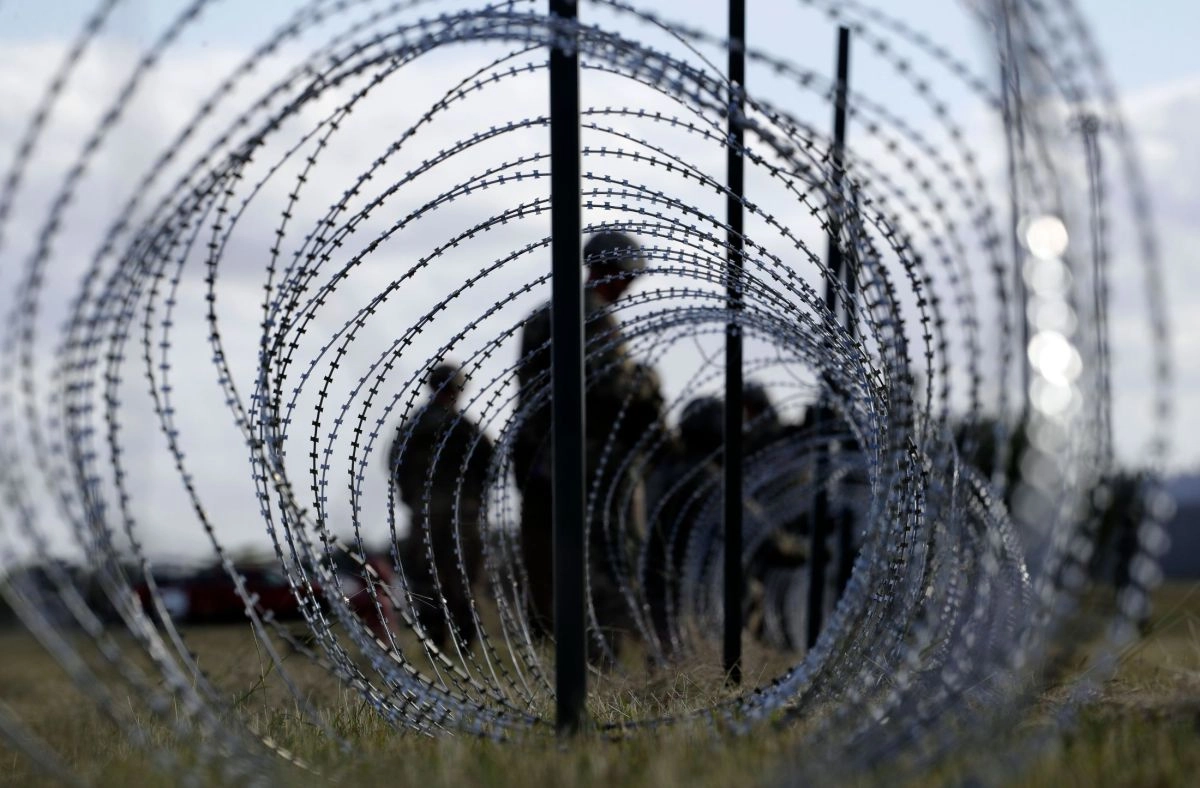

President Donald Trump's administration is accelerating the construction of the so-called "smart wall", an ambitious project that combines physical barriers with artificial intelligence (AI), cameras, sensors and surveillance towers to reinforce the border between the United States and Mexico. The initiative, backed by an investment of $46 billion approved by Congress for immigration control tasks, is already generating intense debate due to its cost and the impact it could have on border communities.
According to information from AP, the plan includes erecting new sections of steel wall up to nine meters high, in addition to deploying a technological network capable of detecting movements, analyzing information in real time and alerting the Border Patrol (CBP) through automated systems.
Technology to strengthen border surveillance
The authorities maintain that the new system will allow agents to optimize their work and expand surveillance capacity without depending exclusively on physical presence at the border.
"It's a smart wall. It's not just a barrier. It optimizes the use of our most valuable resource: our agents," said Rodney Scott, commissioner of Customs and Border Protection (CBP), during an appearance before Congress.
According to the aforementioned agency, it is already building about six miles of wall per week and has added more than 74 miles since mid-June. In areas where the terrain makes construction difficult, the strategy includes installing autonomous towers, ground sensors, thermal cameras and fiber optic cables that, supported by AI, will be able to detect suspicious activity from several kilometers away.
Criticism over the cost and expansion of surveillance
The project also faces questions from civil organizations and groups specialized in human rights, who consider that increased surveillance could affect the privacy of those who live near the border and push migrants towards more dangerous routes.
“We are seeing a massive expansion of surveillance in border areas,” said Ricky Garza, border policy advisor for the Southern Border Communities Coalition.
For its part, the organization Taxpayers for Common Sense has asked for greater supervision over the use of public resources, recalling that similar projects promoted in previous administrations faced delays, cost overruns and technological problems.