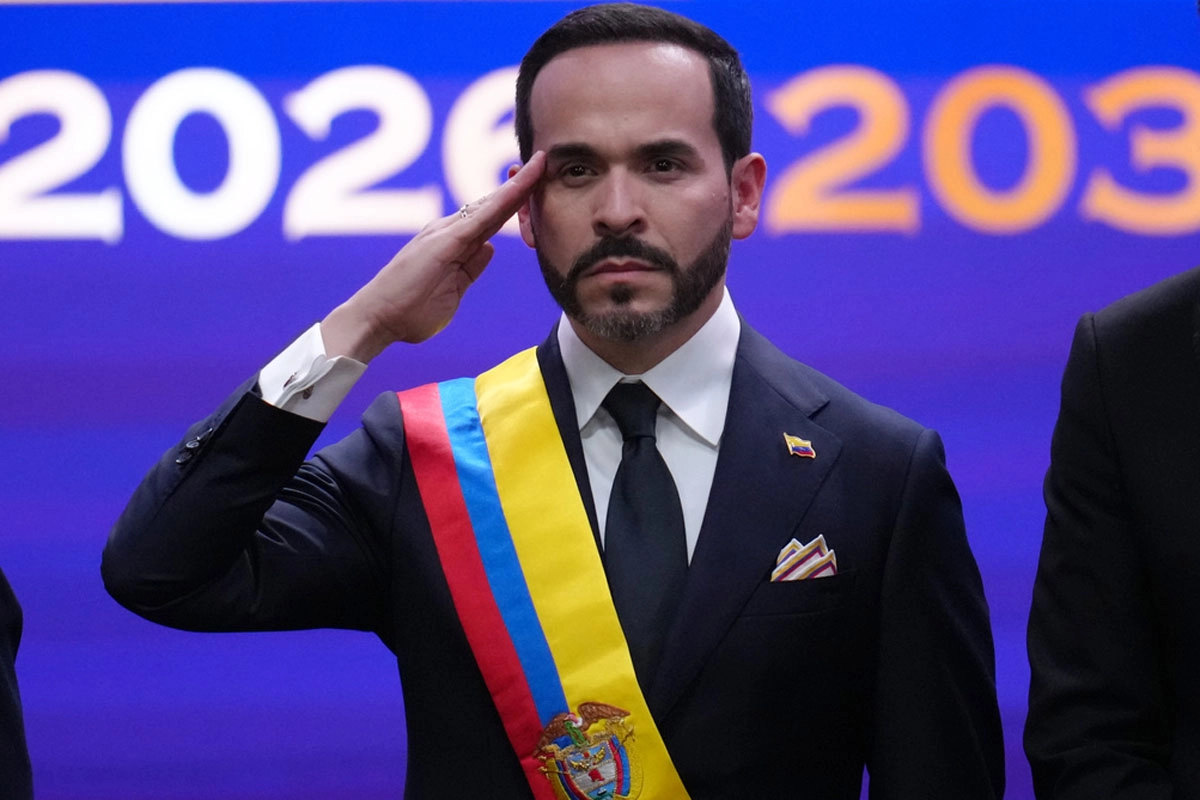

On Friday, August 7, Colombia inaugurated its new president, Abelardo de la Espriella, an incendiary far-right figure backed by Trump, often known as “El Tigre.” The support of the White House during the campaign played a decisive role in De la Espriella's victory in June.
This support also helped him obtain more than 80% of the votes cast by Colombians abroad, many of them residents in the United States, who are now subject to deportation measures that De la Espriella himself seems willing to support.
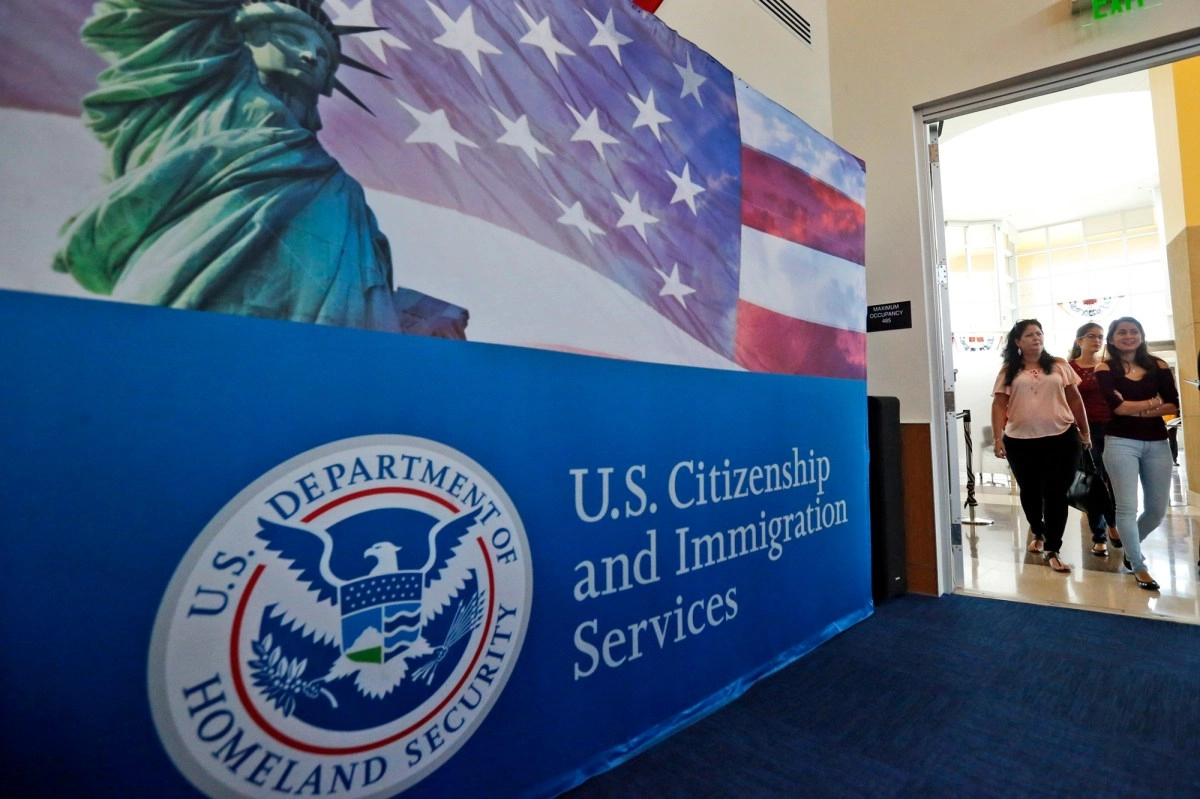
Fernando (who asked that only his first name be used) fled Colombia with his family in 2022, the year in which a record 547,000 Colombians left the country amid growing violence and political instability. The Migration Policy Institute, a nonpartisan organization, estimates that the number of Colombians in an irregular immigration situation in the United States currently amounts to 444,000, compared to the 182,000 registered in 2019.
According to Fernando, whose asylum case is still pending, he and his family faced increasing threats from local criminal groups in rural Colombia where they owned a small business. Faced with demands for money that he did not have, and fearing for his life and that of his family, he decided to leave.
In recent years, criminal groups have spread across much of Latin America, which partly explains the drastic rightward shift the region has experienced in recent elections.
Fernando, who now resides in the Bay Area, says he was attracted to de la Espriella's promise to apply “iron fist,” a political style characterized by strong measures and a tough stance on crime that has often led to human rights violations and political persecution in various Latin American countries.
The Salvadoran Nayib Bukele is currently the best-known and most popular exponent of the “iron fist” policy. His presidency, marked by widespread and documented human rights abuses, has inspired leaders ranging from Daniel Noboa in Ecuador and Antonio Kast in Chile to De la Espriella himself, whose campaign was replete with promises to crush Colombia's criminal groups and build a series of megaprisons similar to El Salvador's infamous CECOT.
For Colombians like Fernando, whose lives had been disrupted by the country's deteriorating security, the message resonated. However, there was an additional element to de la Espriella's appeal.
De la Espriella, a former trial lawyer turned businessman who made a name and a modest fortune defending politicians accused of corruption, as well as individuals with known ties to drug traffickers and paramilitary groups, is also a U.S. citizen.
“You think that, maybe because of that, there is a possibility that they give us a little more support here, where we can establish ourselves better and feel more secure,” Fernando commented. He explains that, for Colombians like him who reside in the United States with a precarious or uncertain legal status, the hope was that De la Espriella would act on their behalf as a bridge to the White House.
In fact, the future president seems willing to take on that role, although perhaps not in the way Fernando imagined.
On June 22, Colombian-American Republican Senator from Ohio Bernie Moreno met with De la Espriella and shortly after posted a message on the social media platform
Moreno concluded the post by writing: “Coming to the United States is a privilege, not a right.”
For Colombians like Fernando, it was devastating.
“It took us completely by surprise,” he said, adding that the idea of returning to Colombia now, after several years living and working in the US and with an increasingly fragile security situation in the country, is “complicated.”
According to recent data from TRAC Reports, in fiscal year 2026, Colombia ranked fifth among the nationalities with the highest number of deportation orders issued by US judges, totaling 36,651 expulsions. Mexico topped the list, followed by Honduras, Guatemala and Venezuela.
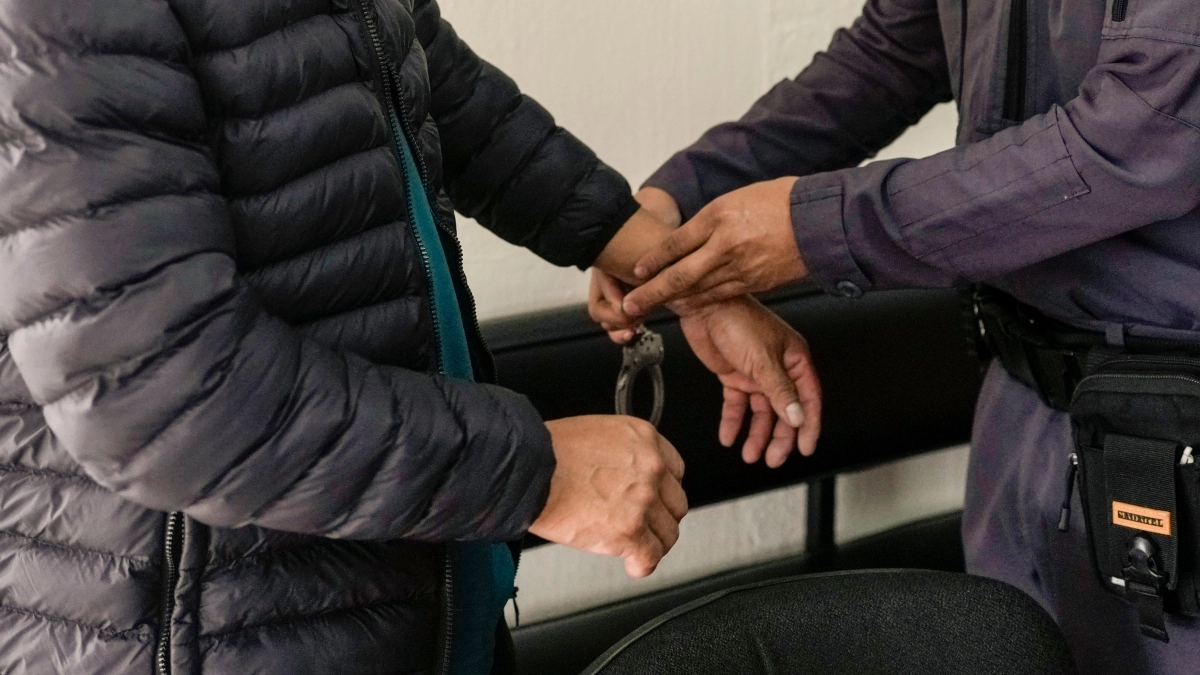
Among those detained was Franklin Humberto Coral Garrido, better known as Beto Coral, a digital activist who was targeted by Immigration and Customs Enforcement (ICE) due to his criticism of de la Espriella. In a June 16 memorandum, US Secretary of State. Marco Rubio wrote that Coral's online activism “undermines the foreign policy interests of the United States.”
Coral, who arrived in the United States in 2015 and, like Fernando, had a pending asylum case, was deported to Colombia on July 16 after spending a month in detention by ICE.
For Fernando, his case exemplifies how the administration uses the US immigration system as a weapon. “We have the right to our opinions,” he insisted.
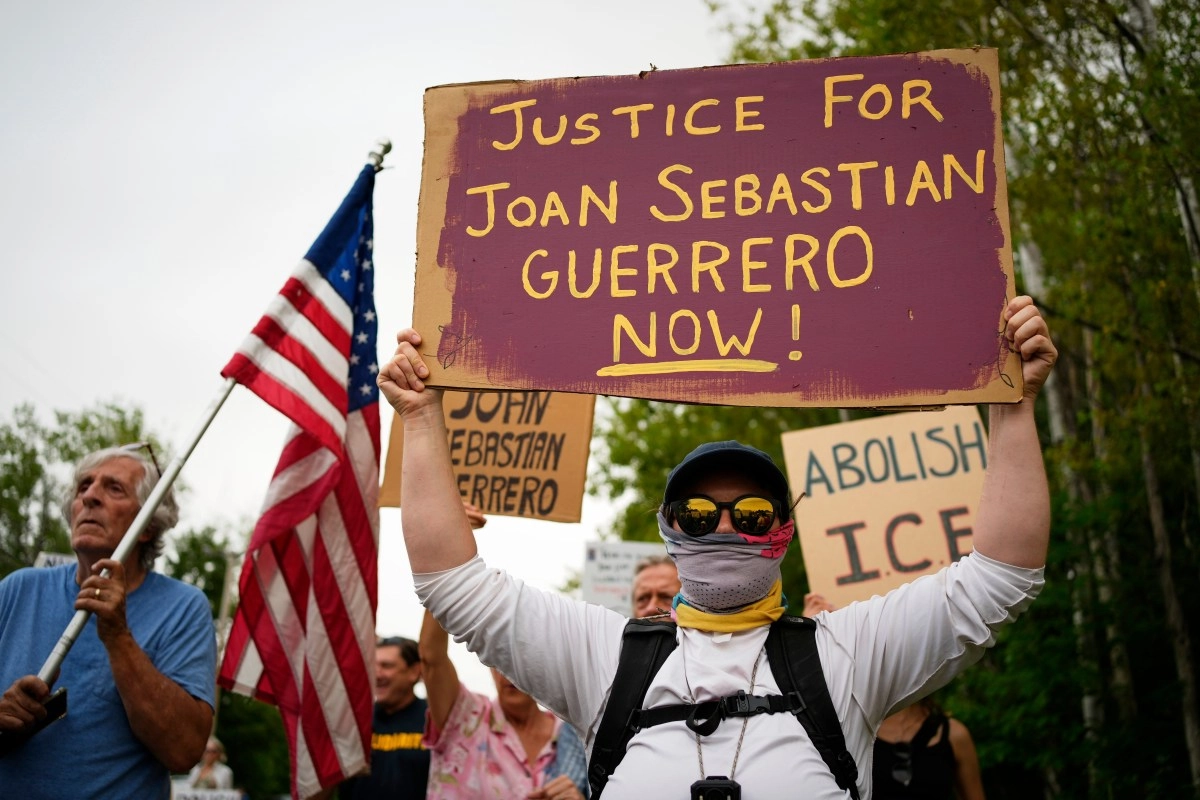
The death of Johan Sebastián Guerrero, a 26-year-old Colombian, at the hands of an ICE agent during a traffic stop on July 14 in Biddeford, Maine, increases concern among Colombians living here. Guerrero, who was not the target of the operation, lost his life in front of his three-year-old daughter.
For Fernando, who works as a delivery driver, the fear of being intercepted by ICE is a daily reality.
He has also noted De la Espriella's silence following Guerrero's death, in contrast to outgoing president Gustavo Petro's repeated demands that Colombian citizens subject to deportation be treated humanely and “with dignity.”
“I think what Petro did is very good,” Fernando acknowledged, and added: “He has always been concerned about the issue of migration.”
Reflecting on his vote, Fernando references Trump's 2024 electoral victory and the historic gains made among Latino voters.