

Iran warns Trump that if the war continues there will be no oil to sell or produce
Analysts report that the price of oil has recently surpassed $100 a barrel, driven by fears of a global oil deficit

The Speaker of Iran's Parliament, Mohammad Bagher Qalibaf, warned US President Donald Trump that the continuation of the war in the Middle East could lead to a total disruption in oil production and sales, with global economic consequences.
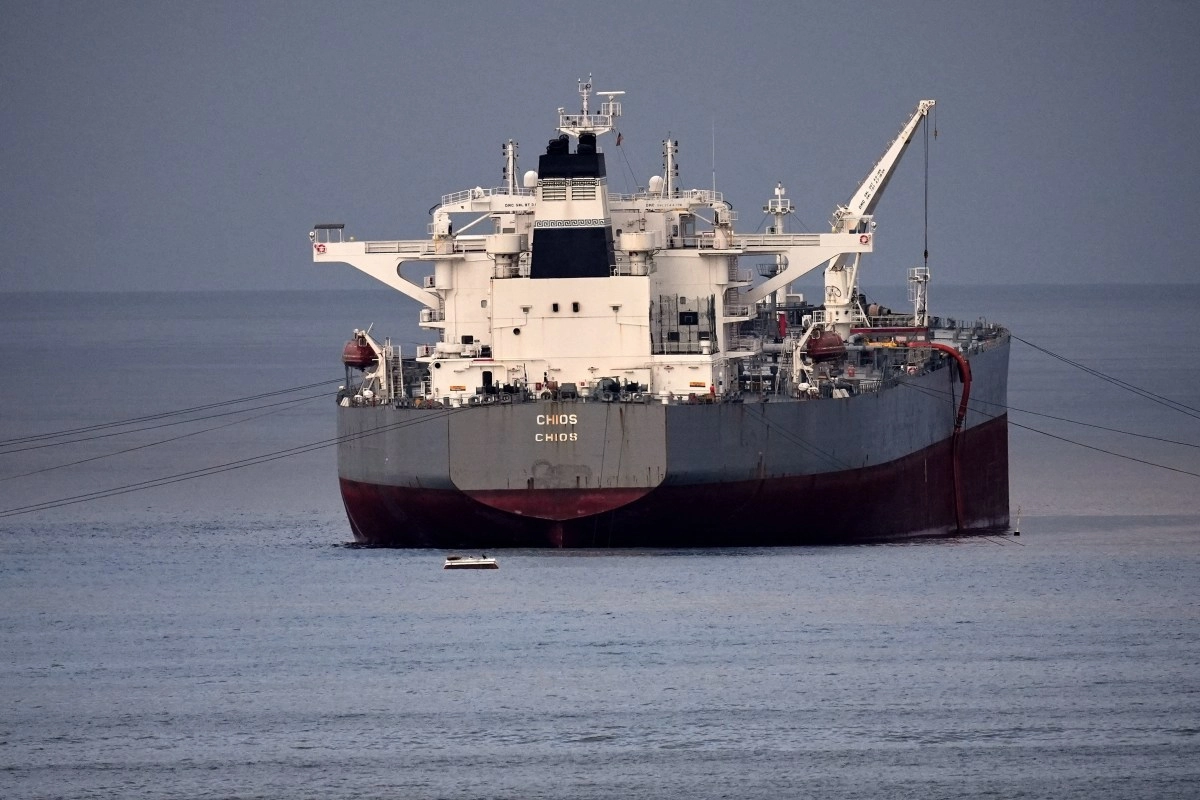
Qalibaf responded to previous statements via the social network X The Iranian politician noted that Trump said oil prices wouldn't rise too much; now that they have, he says they will soon correct themselves. “If the war continues like this, there will be no way to sell oil or the capacity to produce it,” he stated. The parliamentary leader maintained that the conflict would not only affect Iran but also the global economy. He said that the increase in energy costs “is detrimental to the interests of the United States, the countries of the region, and the rest of the world,” warning that the military escalation could trigger an international energy crisis. The conflict has affected one of the most strategic points in global energy trade: the Strait of Hormuz. Approximately 20% of the world's oil transits this maritime corridor, so any disruption generates immediate volatility in energy markets. Since the start of the military escalation, oil tanker traffic has been considerably reduced, while several shipping companies have suspended routes due to security risks. The tension is also reflected in crude oil prices. Analysts report that the price of a barrel has recently surpassed $100, driven by fears of a global supply deficit if the conflict continues or the Strait of Hormuz is completely blocked. Furthermore, experts warn that the energy shock could remove up to 20 million barrels per day from the global market, further driving up prices and generating inflationary pressures globally. Iran's warning comes after Israel launched attacks against Iranian energy infrastructure.including oil depots and transfer centers in the Tehran and Alborz provinces. The bombings caused fires and the release of toxic substances into the air, prompting authorities to ask the population to stay indoors.