

United States authorizes payments to Maduro's defense in drug trafficking trial
Washington eases sanctions and allows payment of former president's legal defense in ongoing trial
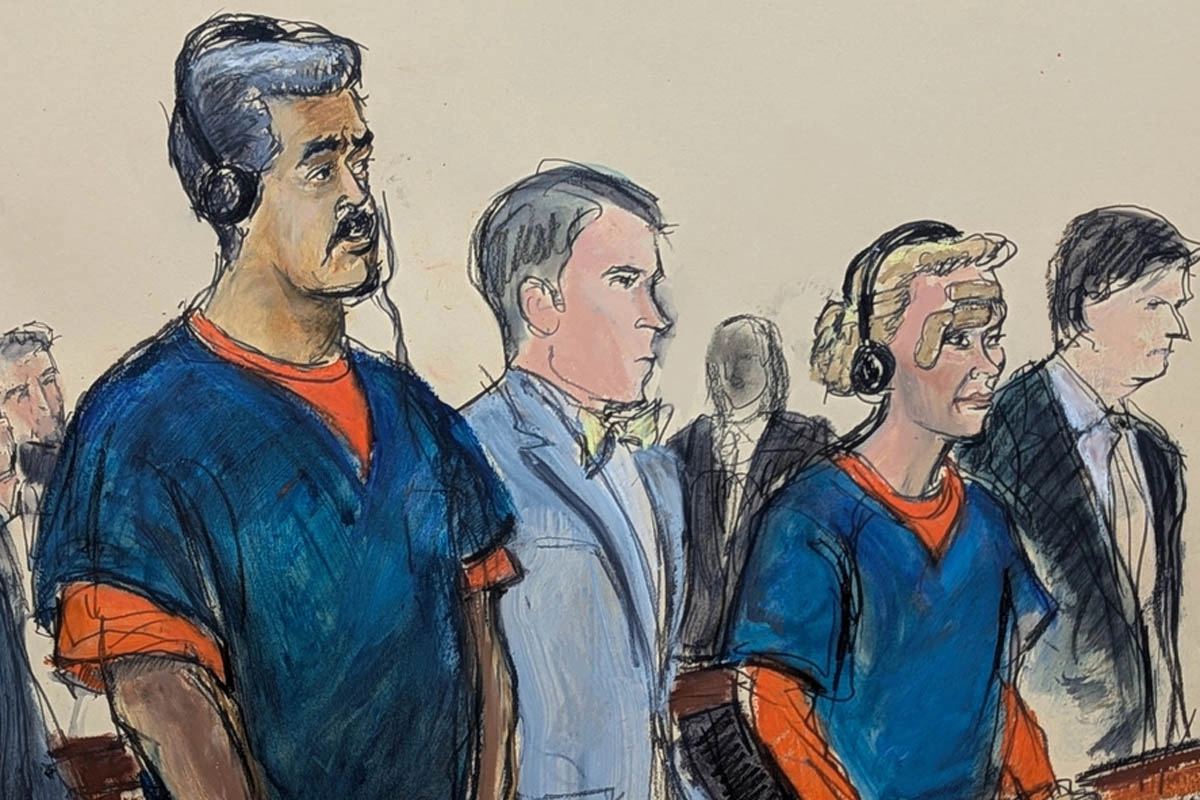

The United States has taken an unexpected turn in its sanctions policy against Venezuela by authorizing the Caracas government to cover the legal fees of Nicolas Maduro's defense team, who faces drug trafficking charges in New York.
The decision, revealed in court documents on April 25, represents a significant change in the midst of a process that The case had been marked by legal and political tensions. According to Reuters, this modification seeks to prevent the case from being compromised by questions about the defendant's right to an adequate defense. Maduro, 63, was arrested on January 3 in Caracas during an operation by U.S. special forces. Along with his wife, Cilia Flores, he was transferred to New York, where they both face charges including conspiracy to commit narcoterrorism. The couple has pleaded not guilty and remains detained in Brooklyn awaiting trial. The critical point arose in February when defense attorney Barry Pollack requested the dismissal of the case. His central argument: sanctions imposed by Washington prevented the Venezuelan government from paying for his legal representation, which, in his view, violated basic constitutional rights. Pollack maintained that blocking these payments limited his client's right to choose his defense. “It amounts to a violation of the constitutional right to have an attorney of one’s choosing,” he argued before the court. Federal Judge Alvin Hellerstein, presiding over the case in Manhattan, expressed skepticism regarding the restrictions. During a hearing in March, he made it clear that he did not plan to dismiss the case, but questioned whether the financial blockade was justified. “The right at stake, paramount above all others, is the constitutional right to legal counsel,” the judge stated, emphasizing that the defendants, regardless of their nationality, have legal guarantees in the United States. For its part, the prosecution defended the government’s initial position.Prosecutor Kyle Wirshba argued that the sanctions were in response to national security and foreign policy interests, and maintained that the judiciary lacks the power to modify decisions made by the Treasury Department. However, the political context has also changed. Since Maduro's departure from power, relations between Washington and Caracas have shown signs of detente, particularly under the interim leadership of Delcy Rodriguez. This new scenario would have influenced the easing of sanctions, thus ensuring due process without legal interference.