

State Department increases pressure on Cuba by sanctioning one of its state companies
The State Department sanctioned a Cuban company for hoarding fuel with the aim of reselling it to private companies operating on the island
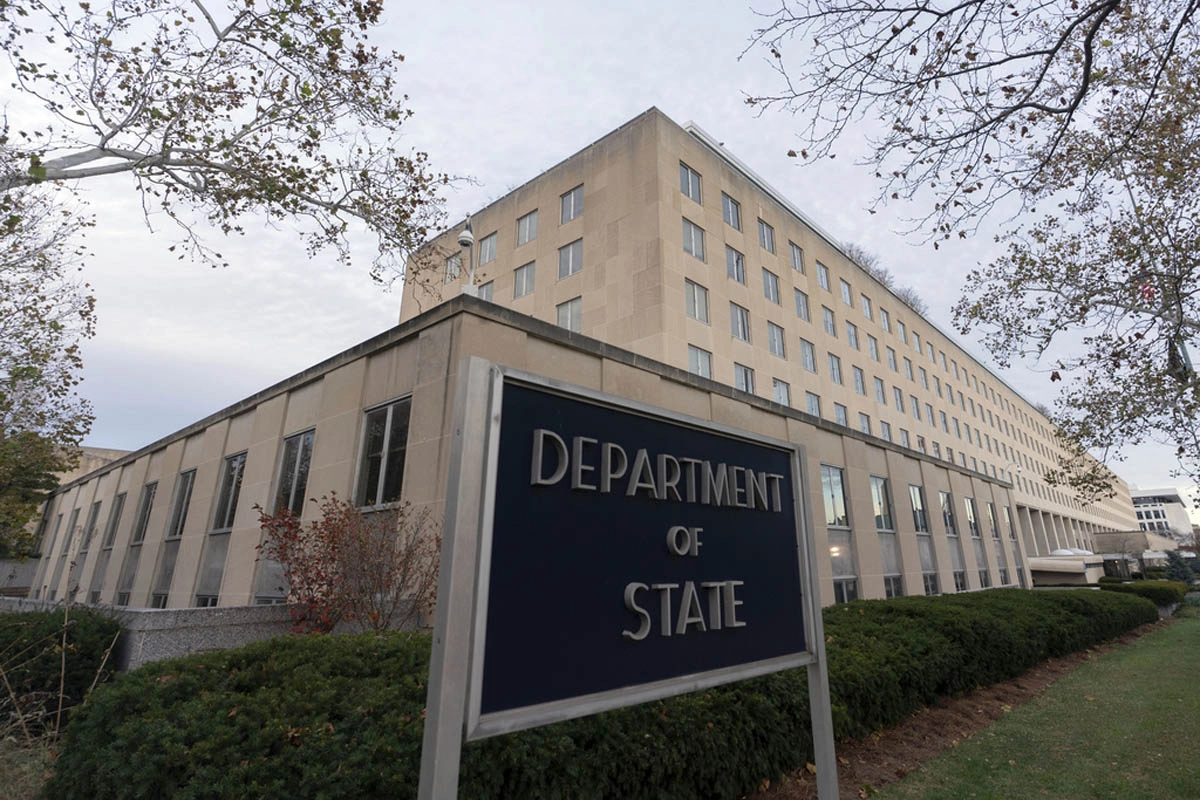

Added to the escalation of tension revolving around the relationship between the government of Washington and Havana is an announcement from the State Department sanctioning the state oil and gas company Unión Cuba-Petróleo (CUPET), which is in charge of receiving, distributing and selling fuel on the island.
In a statement, Marco Rubio, Secretary of State, accused CUPET of “reselling countless barrels of scarce energy on the secondary market, hoarding energy supplies for its military, intelligence and repressive forces, and rationing energy as a tool of social control.”
The Republican also stated that, for decades, the Cuban regime uses available fuel as a measure to keep the Cuban population under control.
"While ordinary Cubans wait weeks to fill the tank of their cars and suffer constant blackouts, the Castro family travels on a private jet, the government transports false protesters on buses to advertise, and the regime prioritizes maintaining the electricity supply in luxury tourist hotels," he stressed.
With the aim of putting an end to this type of practice, the company, which also controls the extraction of Cuban crude oil fields, as well as its refining and fuel distribution, was included in the OFAC list (US Office of Foreign Assets Control), a situation that makes it impossible for it to establish any type of financial or business relationship in the United States.
In an interview with Telemundo, Jorge Piñón, a researcher at the Energy Institute of the University of Texas, pointed out that for the Cuban government the sanction directed at CUPET represents a severe setback in facing the energy crisis triggered by the United States by preventing Venezuela from continuing to supply it with crude oil.
"CUPET has control of the three refineries in Cuba, the one in Havana, the one in Santiago de Cuba and the one in Cienfuegos; it has control of the oil pipelines, everything that is the liquefied gas business, the gas tanks that are frequently used for cooking, the control of the lubricants, control over the asphalt. This will now put a brake on any large-volume transaction that it intends to carry out," he emphasized.