

The US describes Cuba as a “threat” and marks it as the capital of communism of the 21st century
The White House points to the island as an epicenter for operations by foreign powers such as China, Russia and Iran just 90 miles from the coast of Florida

A State Department report accuses the Cuban government of maintaining a strategy of espionage, political infiltration and support for allied movements for decades. Havana rejects the accusations and denounces a new escalation of pressure from Washington. The United States government hardened its position towards Cuba this Monday by publishing a report of almost 100 pages in which it defines the island as a threat to national security and identifies it as “the capital of communism of the 21st century.”
The document maintains that the Cuban regime has developed for more than six decades a strategy of espionage, infiltration and political projection that, according to Washington, continues to represent a challenge to US interests.
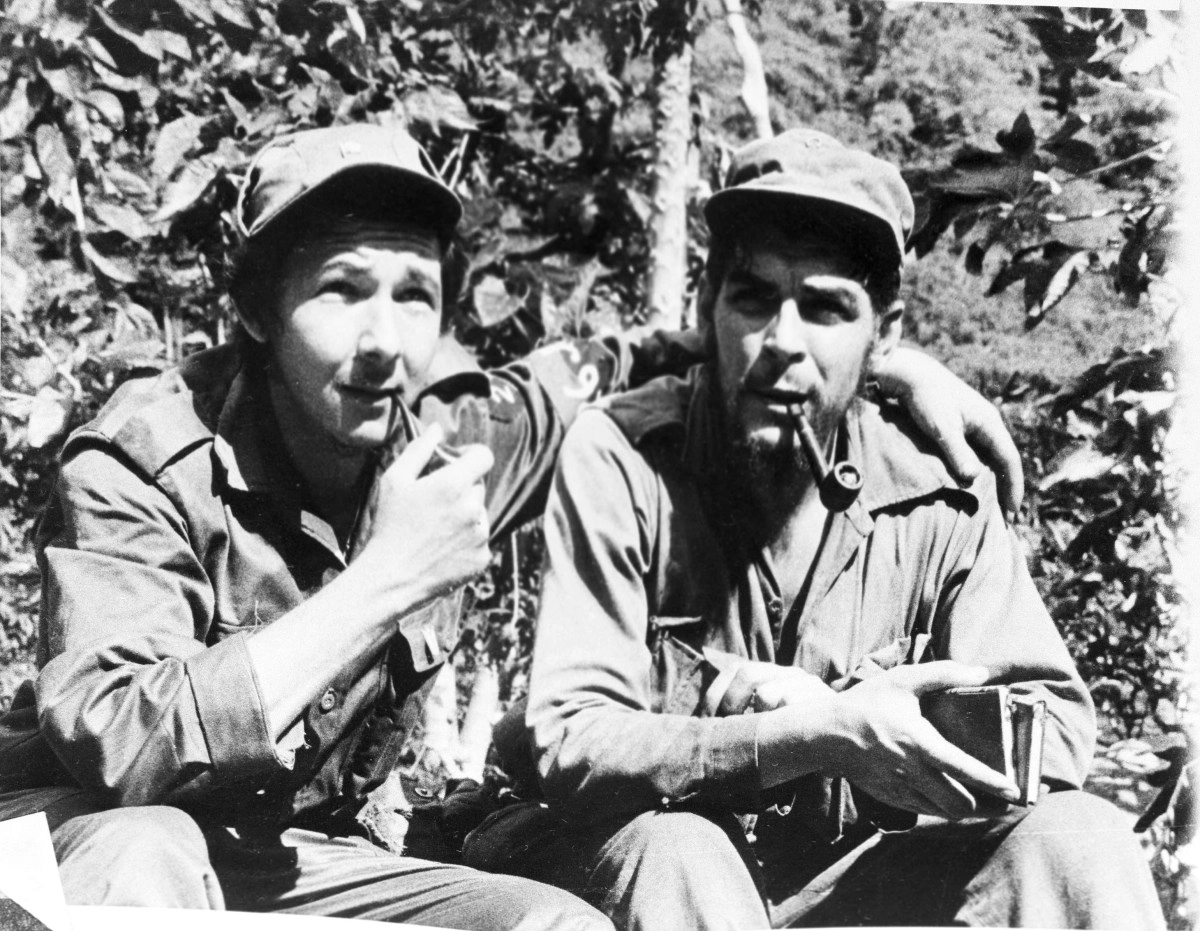
The report, prepared by the State Department and released under the title Cuba: The Capital of 21st Century Communism, reviews the history of the Cuban government since the Revolution led by Fidel Castro in 1959 and attributes to Havana a sustained campaign to influence US institutions and strengthen alliances with governments and related organizations in different regions of the world.
The publication coincides with a period of increased pressure from President Donald Trump's administration on the Cuban government, which includes economic sanctions and calls to promote political and economic reforms on the island.
Washington accuses Cuba of maintaining networks of international influence
The report states that the Cuban government has used intelligence mechanisms, political cooperation and diplomatic relations for decades to expand its influence inside and outside the American continent. Among the accusations, the State Department maintains that Cuba has provided training to armed groups, shelter to people wanted by US justice, and support to intelligence networks.
Likewise, it points out that the island would have taken advantage of academic exchanges, social organizations and solidarity programs to promote positions favorable to the Cuban regime.
The document also mentions widely known espionage cases, such as those of former analyst Ana Belén Montes, former ambassador Víctor Manuel Rocha and the so-called Avispa Network, presenting them as examples of intelligence operations attributed to Havana. In addition, Washington assures that Cuba maintains close cooperation with Russia, China and Iran and warns that the presence of these countries in Cuban territory represents a factor of concern for US national security.
Cuban authorities have repeatedly rejected these claims and deny hosting military or intelligence facilities of foreign powers.
Havana rejects the report and bilateral tensions increase
The Cuban government responded that the accusations are part of a strategy to justify a greater tightening of US policy towards the island. Foreign Minister Bruno Rodríguez has maintained that it is solely up to the Cuban people to decide the country's political course and has accused Washington of maintaining a campaign of diplomatic and economic pressure aimed at causing regime changes.
The report has also raised questions among American organizations dedicated to the defense of civil liberties, which consider that some of its conclusions lack sufficient evidence to directly link the Cuban government with various social movements and protests that occurred in the United States.
The publication of the document occurs a few days after Secretary of State, Marco Rubio, led an international meeting focused on combating what he described as the growth of left-wing extremism in different regions of the world.
With this new report, the Trump administration reaffirms its strategy of maximum pressure on Havana and anticipates a stage of greater diplomatic tensions between both countries, in a context marked by historical differences in political, economic and security matters.