

US claims Iran lost 90% of its military capacity, but remains a threat
Despite optimism, it is estimated that Iran keeps its arsenal of missiles and mobile launchers hidden in underground facilities
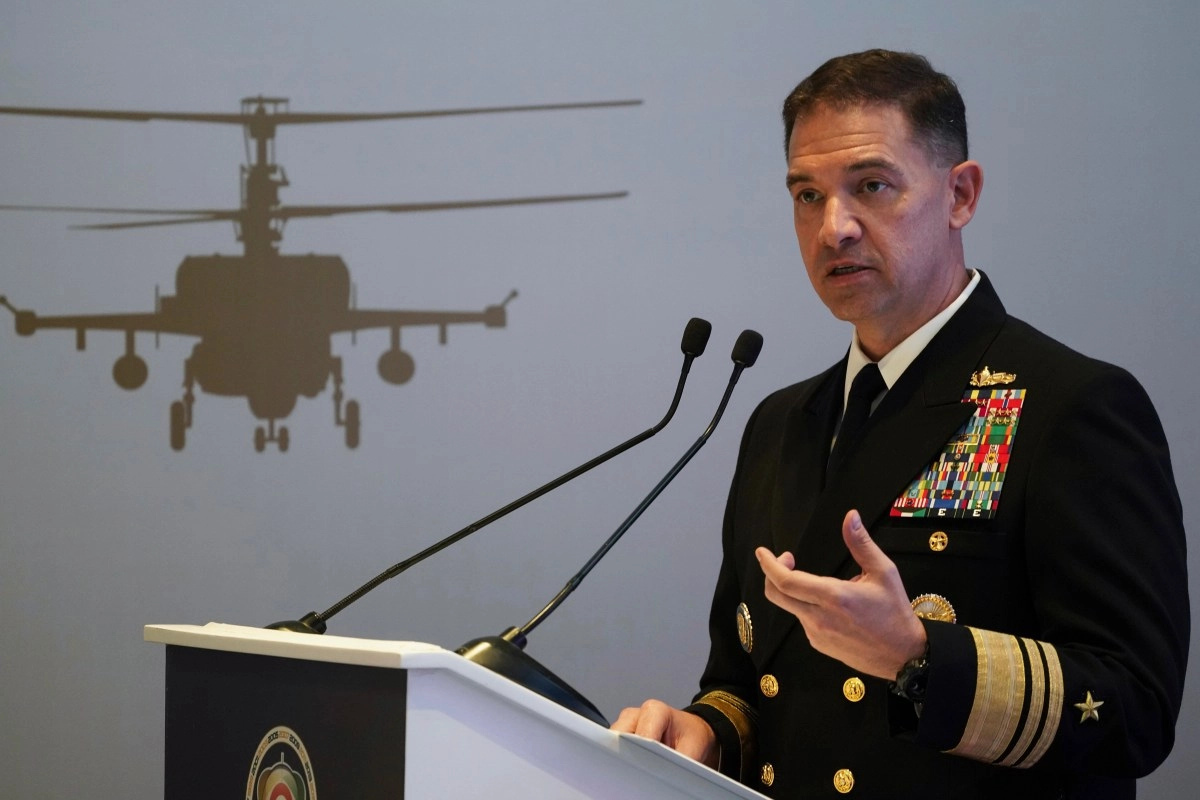

The United States Army assured this Thursday that Iran's military capacity has degraded by 90% after the joint offensive Washington and Tel Aviv, although warned that Tehran still retains the ability to threaten its neighbors and destabilize the Middle East.
During a hearing before the Senate Armed Services Committee, the commander of the United States Central Command (Centcom), the admiral Brad Cooper, stated that Iranian military infrastructure suffered “significant” damage since the beginning of the bombings on 28 February.
“Iran's ability to threaten its neighbors and the interests of the United States has been dramatically degraded,” Cooper told to US lawmakers.
The military chief maintained that the strikes destroyed “90 % of its industrial defense base,” including facilities linked to drones, missile and naval capabilities, which would delay any attempts at Iranian military reconstruction for years.
However, Cooper warned that Iran “remains a very large country” and maintains “a moderate or small capacity” to attack energy infrastructure and regional targets, especially in the Persian Gulf.
The statements come in the middle of a fragile truce between Washington and Tehran, a month after the ceasefire reached after weeks of cooling direct engagements. The conflict raised tensions in the Strait of Hormuz, strategic passage through which circulates close to 20% of world oil.
Despite the optimism expressed by the Pentagon, some intelligence reports leaked to U.S. media indicate that Iran would still keep a significant part of its arsenal of missiles and mobile launchers hidden in underground facilities. The admiral avoided confirming these versions and assured that “the data published in open sources are not accurate.”
Analysts consider that, although the offensive significantly weakened Iranian conventional capacity, Tehran still maintains tools of regional pressure through asymmetric attacks, drones and allied militias in the Middle East.