
The Senate rejected this Tuesday a resolution to block Trump's war powers against Iran, but in this vote it is clear that the Republicans are losing strength, since the decision was already closed with 48 votes against the resolution and 47 in favor.
There were four Republicans who joined the Democrats: Susan Collins (Maine), Bill Cassidy (Louisiana), Lisa Murkowski (Alaska) and Rand Paul (Kentucky), although Democrat John Fetterman (Pennsylvania) joined the Republican vote.
Previously, Senate Minority Leader Chuck Schumer (New York) criticized the Trump administration's lack of transparency about the deal.
“Now, two days have passed since Trump claimed to have reached a ‘peace agreement’ with Iran, but he has not revealed any details of this supposed agreement,” said Schumer, who recalled that his bench, for the ninth time, was promoting the vote to block war powers.
The Democrat described it as an error in the Trump administration's foreign policy to have started the armed conflict in Iran and pressed for at least one meeting with a limited group of congressmen to present the supposed peace agreement.
"I demand three things from the Trump administration. First, I ask Trump to call a meeting of the Group of Eight (Gang of Eight) to analyze this supposed agreement. Of course, this matter is confidential," he said. "Second, I ask Trump to inform the entire Congress. Every senator deserves answers. And third, I ask Trump to immediately inform the American people of the content of his alleged deal. He must stop hiding the truth from Americans."
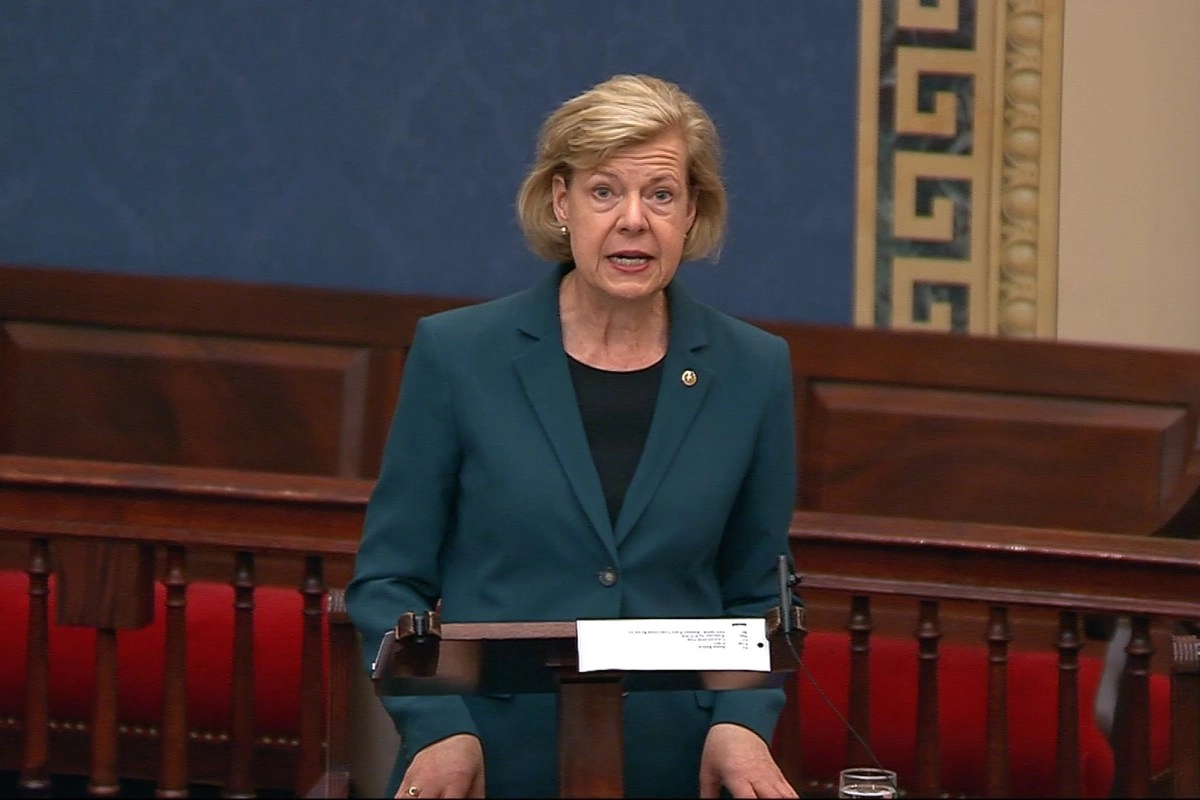
The resolution on war powers was promoted on this occasion by Democratic Senator Raphael Warnock (Georgia), to demand the president withdraw the US Armed Forces from Iranian territory.
Republicans do not know details of the agreement
Senate Majority Leader John Thune (South Dakota) told reporters on Tuesday that he had requested the text of the agreement, as well as a briefing from the Trump administration to explain the scope.
The pressure from congressmen is due to the Iran Nuclear Agreement Review Act, passed in 2015, to require Congressional review of any agreement related to the Iranian nuclear program. In this case, the peace document would integrate nuclear guidelines, according to US officials, such as Secretary of State, Pete Hegseth.
The Trump administration claims it will release the agreement document soon, but according to a report from Axios, the document includes that Iran would maintain its nuclear program while negotiations continue.
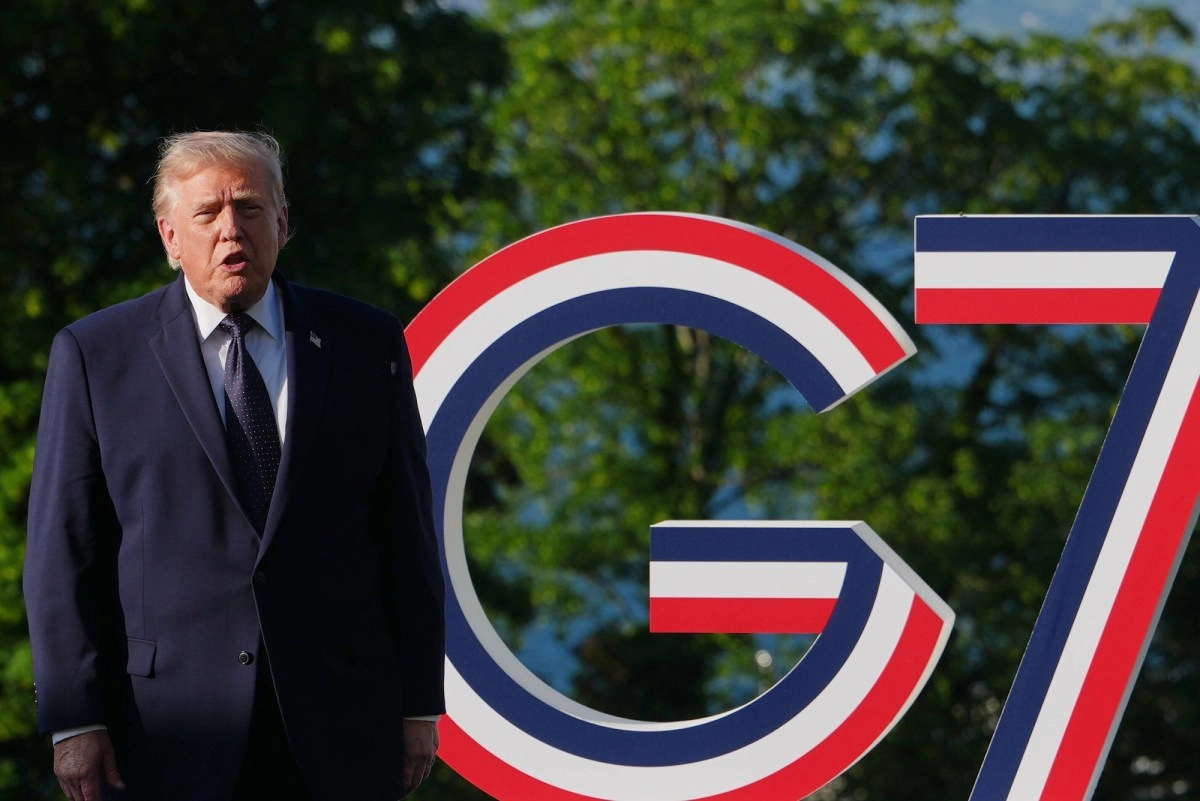
President Trump said in France – where he is for the G7 meeting – that there is a 60-day deadline on the next steps in the ceasefire agreement.
Other aspects revealed are that the US would lift the naval blockade in the Strait of Hormuz and suspend new sanctions, while Iran would guarantee safe and toll-free passage for commercial ships.
The US government would also agree to lift all sanctions against Iran and pave the way for a $300 billion reconstruction fund for Iran, which will also be able to resume oil sales with some temporary exemptions.
The first step for the agreement will be the signing of a memorandum of understanding that will be signed between the US and Iran on Friday, June 19 in Bürgenstock, reported a spokesperson for the Swiss Federal Department of Foreign Affairs.
Israel could represent a problem in the negotiations, to the extent that President Trump urged Benjamin Netanyahu's regime to stop attacks against Lebanon.
“Bibi [Netanyahu] has to be more responsible,” said Trump, who criticized that Israeli operations destroy civilian residential buildings and “many people have died.”
And the US economy?
With the announcement of the peace agreement in the works, oil and gasoline prices have dropped, although the negative effects on the US economy have been severe.
Democratic Congressman James R. Walkinshaw (Virginia) criticized US military operations without “legal justification.”
“As gas prices soar, American families are forced to pay the price for this illegal and costly war,” he said in a statement to introduce a new resolution to block Trump's war powers.
He noted that each American family “has paid $750 out of pocket” for the war against Iran, citing figures from Moody's Analytics, which estimates that military operations have cost at least $100 billion, due to increased military spending and rising oil prices.