

Why is the integration of military personnel as immigration judges a cause for concern?
Margy O'Herron, of the Brennan Center for Justice, warns about militarization of civil processes
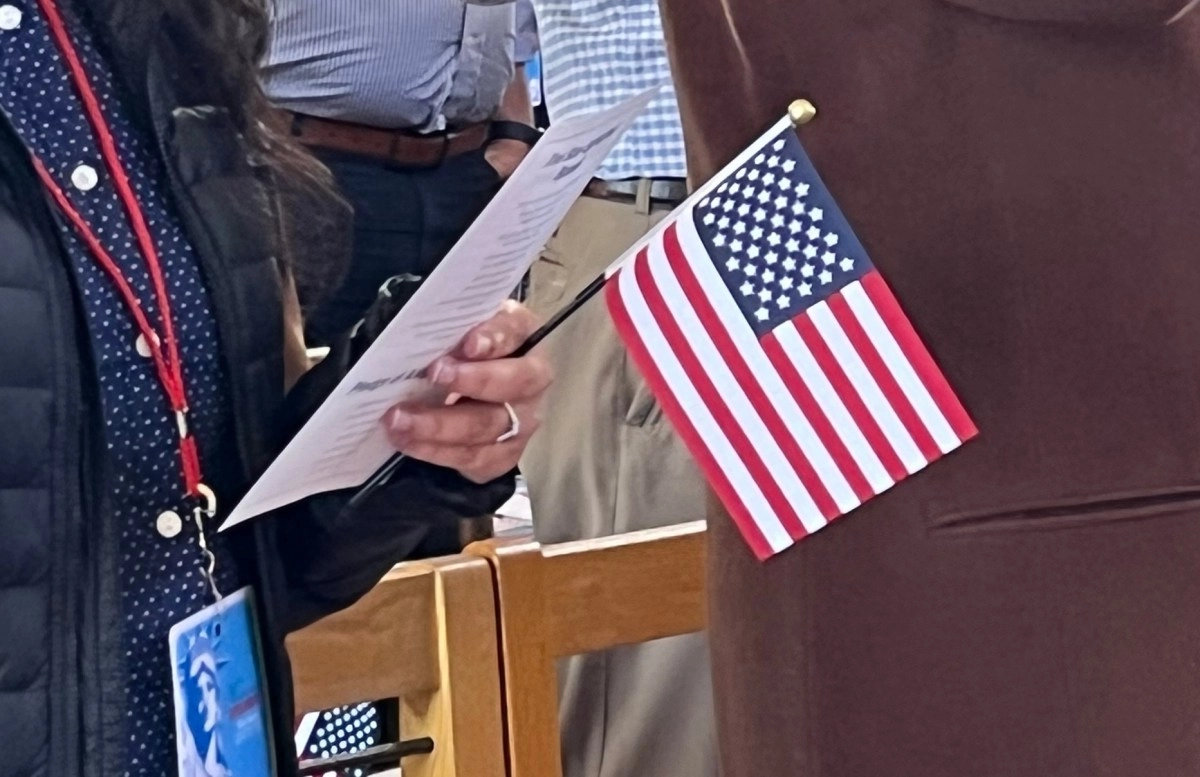

“It’s a bad idea, because in our country we have a fundamental principle, since its founding, that the military should not be involved in law enforcement,” she explained in interview.
O'Herron was part of the Board of Immigration Appeals (BIA), and she was also a senior policy advisor on the National Policy Council in the Executive Office of the President of the United States.
“They [the founders of the U.S.] said: 'No more of that. We want a civilian government in this country.' It's a very important principle,” she added. “And by taking military judges and putting them in charge of overseeing civilian courts […], it’s basically borrowing that distinction, and it sets a very negative precedent of the military overseeing civilian activity.” He indicated that this decision by President Donald Trump’s administration likely violates the Posse Comitatus Act, which prohibits the U.S. military from carrying out actions against the civilian population, such as tasks intended for law enforcement or, in this case, immigration courts. “I think it’s likely to violate, let’s say, the Comitatus Act, which is a law that says the military can’t enforce civilian laws, right?” he insisted. “Therefore, they cannot be involved in the enforcement of civil law.”
O'Herron noted that there is no clarity on how such tasks for military lawyers as immigration judges are structured.
“You think about how these [civilian as immigration judges] tasks are structured, but it is likely that they are not being performed in a way that avoids breaking the law,” he said.
The Problem in Immigration Courts
The Executive Office for Immigration Review (EOIR), which oversees the so-called immigration courts, is part of the Department of Justice and faces a backlog of 3.4 million cases, according to the Transactional Records Access Clearinghouse (TRAC).On August 28, the Trump administration authorized the temporary hiring of up to 800 immigration judges as part of its mass deportation policies. However, the process of hiring judges is complex, and the American Immigration Lawyers Association (AILA) warned of chaos in immigration courts following the dismissal of more than 100 judges, raising concerns about the independence of immigration justice. “An administrative judiciary that merely reflects the political prerogatives of the current administration is not independent,” wrote attorney Jeremy McKinney. In September, the Department of Justice authorized nearly 600 military lawyers to serve as temporary judges after reducing the experience requirements for this role. “While the Department has stated that the interim immigration judges will receive the same training, that is impossible if they are only going to "to serve in the position for six months," O'Herron warned in an analysis published by the Brennan Center for Justice, adding that the judges' training was only two weeks.