

India and Japan Deepen Strategic Ties: All-Party Delegation Meets Tokyo Officials to Boost Global Anti-Terrorism Efforts
An Indian all-party delegation, led by JD(U) MP Sanjay Kumar Jha, engages in key diplomatic talks with Japan’s Foreign Minister Takeshi Iwaya in Tokyo to strengthen bilateral cooperation and global anti-terrorism efforts.
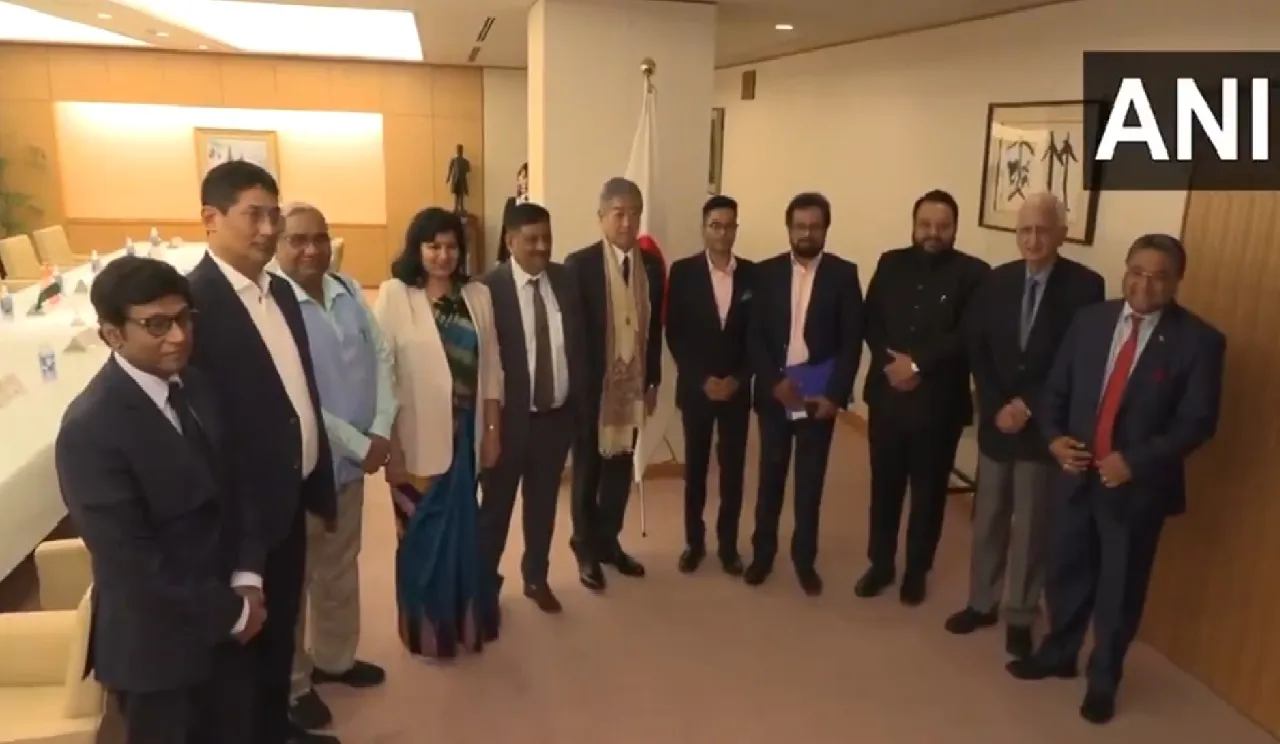

In a significant diplomatic move underscoring India’s evolving global engagement, an Indian all-party delegation led by Janata Dal (United) Member of Parliament Sanjay Kumar Jha held a high-level meeting with Japanese Foreign Minister Takeshi Iwaya in Tokyo. The meeting was part of India’s broader outreach strategy aimed at strengthening international cooperation in counter-terrorism efforts and deepening bilateral ties with like-minded nations such as Japan. It also reflected coordinated diplomatic alignment under the framework of India’s evolving foreign policy agenda, including initiatives like Operation Sindoor.
Strengthening Indo-Japanese Relations Through Dialogue
This diplomatic engagement marked a pivotal moment in the Indo-Japanese relationship. Sanjay Kumar Jha, known for his adept diplomacy and strong legislative background, led the multi-party group in a discussion that emphasized shared global concerns, with terrorism as the focal point. Japan’s Foreign Minister Takeshi Iwaya welcomed the delegation warmly, affirming Japan’s commitment to working closely with India to ensure peace and security in the Indo-Pacific region and beyond.
“The dialogue between our nations is not just about mutual benefit, but about shared responsibility in addressing global threats like terrorism,” Jha stated during the delegation’s official meeting, underscoring the gravity of the geopolitical conversation.
Operation Sindoor: A New Diplomatic Chapter
Another key subject of discussion was Operation Sindoor, a flagship Indian initiative reflecting humanitarian support and cross-border collaboration. Although details remain confidential due to the sensitive nature of the mission, sources confirm that Japan showed keen interest in the strategic framework of Operation Sindoor. The operation, while primarily India-led, is emblematic of the country’s readiness to offer humanitarian and strategic assistance in volatile regions, aligning with the global mission to eradicate terrorism and build resilient international coalitions.
Tokyo expressed its willingness to consider areas of joint cooperation under the initiative’s principles, especially those pertaining to civilian safety, strategic evacuation logistics, and collaborative intelligence exchange.
India’s Expanding Global Diplomacy
The delegation’s visit to Japan is part of India’s ongoing global diplomatic mission, reflecting a robust policy shift toward multilateralism. As India emerges as a major voice in international politics, such engagements serve as foundational pillars for strategic dialogue and trust-building between nations.
“India is no longer a silent spectator on the world stage. We are engaging, leading, and contributing meaningfully. This visit to Japan is one such affirmation of our evolving global role,” Sanjay Kumar Jha commented following the bilateral talks.
The presence of leaders from multiple political parties within the delegation reinforced a unified national front, demonstrating that India’s commitment to fighting terrorism transcends political lines.
Key Takeaways from the Tokyo Meeting
- Japan reiterated its support for India’s stance against terrorism and its call for stronger global frameworks to combat extremism.
- Discussions around Operation Sindoor paved the way for potential collaborative frameworks in humanitarian rescue missions and intelligence-sharing operations.
- Economic, technological, and security partnerships between India and Japan are expected to deepen following the delegation’s visit.
- Both nations expressed mutual interest in maintaining a free and open Indo-Pacific region, crucial to global maritime stability and economic growth.
The Broader Impact on Indo-Pacific Diplomacy
In light of increasing geopolitical uncertainties and regional power shifts, the Indo-Pacific region remains a focal point for diplomatic negotiations and strategic posturing. India’s outreach to Japan, a key democratic partner in the region, sends a strong message of unity and commitment to regional security architecture.
“Japan has always been a valuable friend and strategic partner to India. Strengthening this relationship today means securing our shared future,” Jha noted in his concluding remarks during the press interaction following the meeting.
With both nations prioritizing transparency, democracy, and peace, the Tokyo meeting is expected to lead to tangible outcomes in the coming months, including joint task forces, defense technology exchanges, and cultural collaborations that bring both peoples closer together.
A Step Toward Global Peace and Security
As the world faces mounting threats from transnational terrorism, such high-level meetings between countries like India and Japan are not only symbolic but necessary. They foster the creation of trusted diplomatic corridors and nurture the seeds of international collaboration. In a time where global unity is paramount, India’s delegation to Japan stands as a testament to proactive foreign policy and collaborative internationalism.
From counter-terrorism to humanitarian collaboration and regional security, the Indo-Japanese dialogue in Tokyo sets a meaningful precedent for future diplomatic engagements. The all-party delegation’s presence signaled India’s national consensus on strategic foreign relations, demonstrating that when it comes to securing peace, India speaks with one voice.