

The three mortgage traps that banks don't want you to know about
Before signing a mortgage, learn about the bankers' three strategies that can make you pay more money and how to avoid them to protect your pocket.
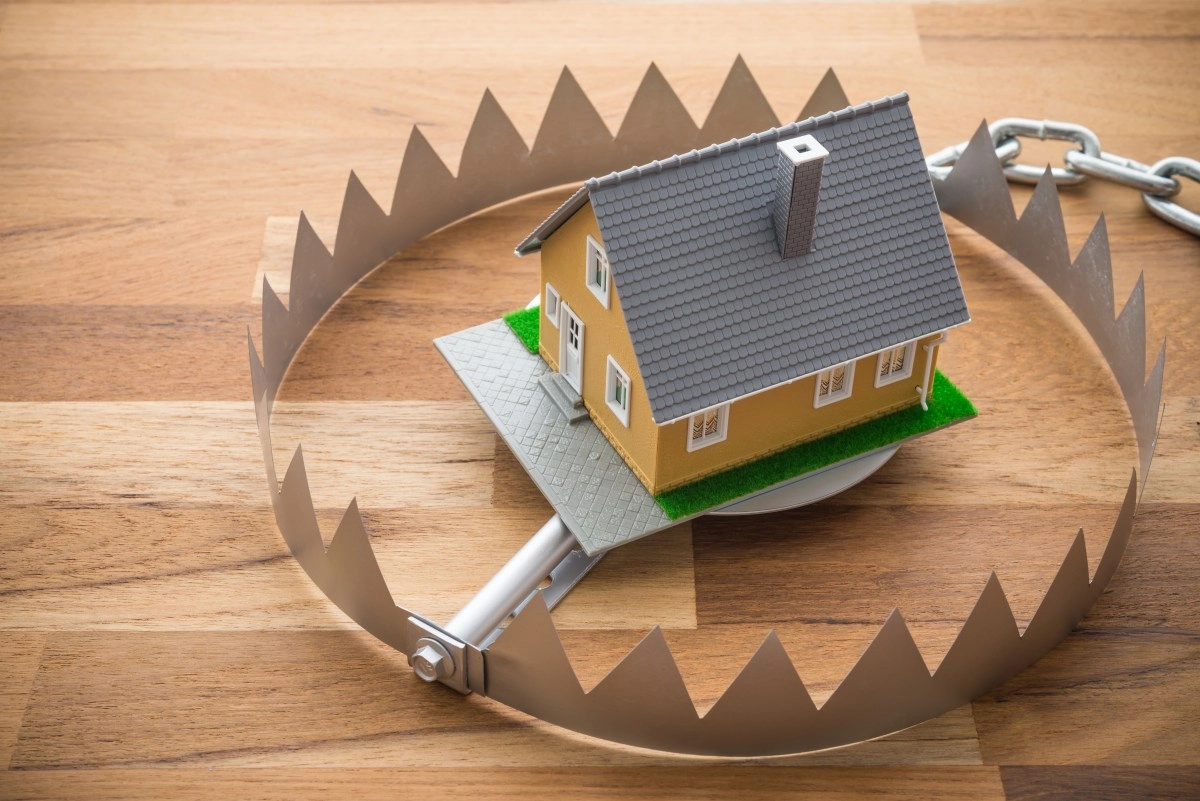

Buying a home is often one of the most important financial decisions in life. However, while most people focus on finding the ideal home or securing an attractive interest rate, there are details within the mortgage process that can go unnoticed and end up costing thousands of dollars. Knowing these practices can make the difference between getting a good loan or paying much more than necessary for years.
Although the rules for granting mortgages are much stricter today than before the 2008 financial crisis, that does not mean that all buyers take advantage of the best conditions available. In many cases, the problem is not an illegal practice, but rather decisions that consumers make out of ignorance or because the process is exhausting.
1. The first offer is almost never the best
One of the most common mistakes occurs from the first contact with a lender. It is common for the telephone conversation to last several minutes while the advisor seeks to build trust and learn personal details. The problem is that, after investing so much time, many people feel that starting over with another bank represents unnecessary effort. Precisely, that is part of the sales strategy: to tire you out so that you no longer look for more and better options.
"They certainly want to keep the conversation long and drawn out. 'What kind of pets do you have? What are your kids' names?'" Shawn Malkou, principal broker at X2 Mortgage, told Bankrate. "If that takes 30 minutes to an hour, that person will hang up the phone and say, 'Wow, I don't want to spend another hour on the phone talking about mortgages.'"
Comparing deals is still one of the best ways to save money. A difference of just a few tenths in the interest rate, along with lower closing costs, can add up to thousands of dollars over the life of the loan. Therefore, specialists recommend requesting at least three quotes before making a decision.
2. Ignore Down Payment Assistance Programs
The high price of housing has made the down payment one of the main obstacles for first-time home buyers. What many do not know is that there are thousands of assistance programs promoted by state governments, cities and other organizations.
According to Down Payment Resource, the average financial aid that beneficiaries receive in the United States is around $18,000, although some programs offer much higher amounts depending on where the home is located and the buyer's profile.
Despite this, many applicants never receive this information.
“Home buyers never get into the system because the loan officer discourages them from the get-go,” said Rob Chrane, executive director of Down Payment Resource.
Applying for these supports requires additional time, first-time buyer courses, and more documentation. However, this effort can considerably reduce the money a family needs to purchase a home. Before ruling out this option, it's worth reviewing the programs available from your state, city, and even with your employer, as some offer little-known benefits.
3. Commissions can also make your mortgage more expensive
Many buyers only compare the interest rate and leave aside another equally important aspect: the fees charged by the lender.
After the mortgage crisis, many abusive charges were limited, but there are still expenses that some institutions decide to pass on to the client and others simply absorb. These may include credit checks, flood zone certifications, tax services, express shipments or bank transfers.
"You should find all of those fees on the transaction sheet or on the statement. None of them individually amount to thousands and thousands of dollars, but together they add up to thousands of dollars," explained Jeffrey Ruben, president of WSFS Home Lending at WSFS Bank.
For this reason, experts recommend reviewing the annual interest rate (APR), since it incorporates a good part of these costs and allows you to compare the true price of a loan beyond the advertised rate.
Before signing any document, it is a good idea to carefully read each charge included in the closing costs and ask which ones can be negotiated or eliminated. A few minutes of review could translate into significant savings over the next 15 or 30 years, which is how long many families will remain paying their mortgage.