

Pakistan Faces Massive Financial Blow as Airlines Avoid Its Airspace Following India Flight Ban
Pakistan is on track to lose millions in overflight fees after banning Indian flights, as global airlines reroute to avoid its airspace.
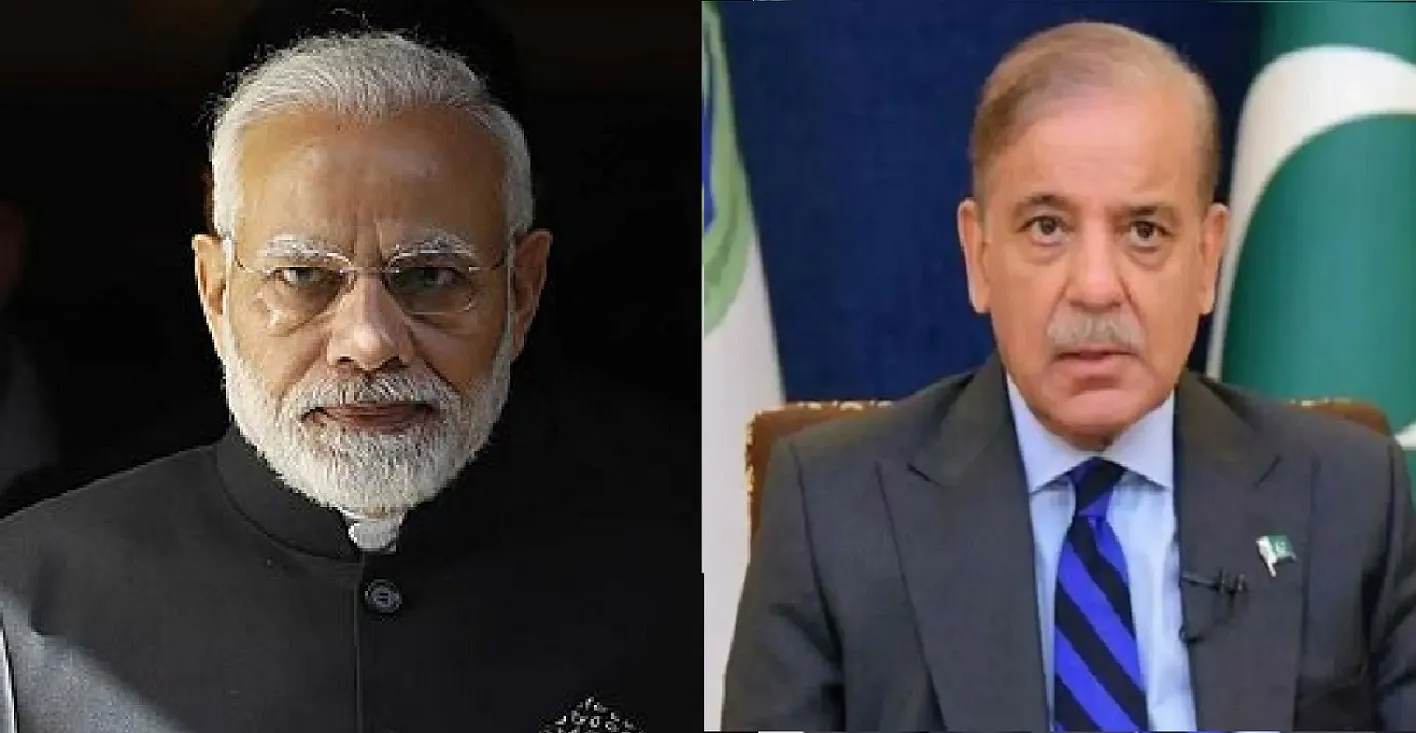

In a dramatic turn of geopolitical and economic consequences, Pakistan is poised to incur significant financial losses amounting to millions of dollars, following its recent decision to ban Indian flights from using its airspace. This diplomatic move, intended as a countermeasure, appears to have backfired economically, as numerous international airlines are now voluntarily rerouting their flights to avoid traversing Pakistani skies altogether.
Unintended Consequences: Airspace Avoidance and Economic Fallout
For years, Pakistan has earned substantial revenue from overflight fees charges levied on airlines for passing through its airspace. With a prime location bridging Europe, the Middle East, and Asia, its skies have long been a busy thoroughfare for international air traffic. But that may be changing quickly.
After banning Indian flights from using its air corridors, Pakistan now finds itself facing an aviation fallout that wasn’t entirely foreseen. Not only are Indian carriers barred, but several Western and Middle Eastern airlines have proactively started avoiding Pakistani airspace. This measure, taken in the name of safety, has created a ripple effect with potentially disastrous consequences for Islamabad’s already fragile economy.
Western Airlines Shift Course
Leading international airlines, including carriers from Europe and the Gulf region, are choosing to take longer flight paths around Pakistan. These reroutes are not mandated but are a result of growing geopolitical uncertainties and safety concerns. The decision to steer clear of Pakistani airspace stems from a combination of diplomatic caution and risk management.
Though this results in increased fuel costs and extended travel times for the airlines, the consensus among several aviation authorities is that avoiding potential trouble zones outweighs the economic cost in the short term.
Overflight Charges: A Lost Fortune
Pakistan’s Civil Aviation Authority (CAA) has historically banked heavily on overflight charges. These fees, which can range from a few hundred to several thousand dollars per flight depending on aircraft size and route, constitute a steady source of income. On average, hundreds of flights would pass through Pakistan’s airspace daily, translating into an annual revenue of tens of millions of dollars.
Now, with a sharp decline in international flights choosing this route, that revenue stream is drying up rapidly. The exact numbers may vary week by week, but aviation analysts suggest that Pakistan could see losses exceeding $20 million annually if the current avoidance trend continues.
India’s Strategic Diplomacy: A Calculated Masterstroke?
From a diplomatic standpoint, this outcome has fueled perceptions of a strategic win for India. The term “Modi Masterstroke” is trending across social media platforms, especially among supporters of the Indian Prime Minister, who believe this scenario plays directly into India’s long-term geopolitical strategy.
By maintaining a calm and calculated response while continuing its own aviation operations unaffected, India has managed to project an image of stability. Meanwhile, Pakistan’s self-imposed restrictions have inadvertently cornered its aviation economy, leading to increased international scrutiny and financial strain.
Public Sentiment and Social Media Buzz
The incident has stirred a flurry of reactions on social media. Hashtags such as #PakistanAirspace, #ModiMasterstroke, and #AviationEconomy have been trending, with users highlighting the irony of the situation. Many have questioned the wisdom of Pakistan’s decision, suggesting that the ban on Indian flights has backfired, leaving the country financially weaker and diplomatically isolated.
Observers from across the globe are also chiming in on the need for de-escalation and regional cooperation, especially in sectors like aviation that directly impact global connectivity and economic growth.
Long-Term Implications for Pakistan’s Aviation Policy
While the current situation may be reactionary, the long-term implications for Pakistan’s aviation sector are serious. The country now faces a credibility challenge on the international stage, where safety, neutrality, and dependability are core to airspace usage. If the current avoidance of its airspace becomes normalized, Pakistan may struggle to regain the trust of international carriers even after resolving political tensions.
Moreover, losing aviation revenue could exacerbate the country’s broader economic woes, including inflation, forex shortages, and high external debt. For a developing nation that relies on every dollar of international engagement, this shift in the aviation landscape could prove to be a costly misstep.
A High-Flying Miscalculation
Pakistan’s decision to ban Indian flights might have been intended as a show of strength, but its economic and diplomatic aftermath tells a different story. As airlines around the world continue to reroute and revenue from overflight charges diminishes, the country finds itself in turbulent skies of its own making. Whether this marks a temporary disruption or the beginning of a prolonged downturn in aviation earnings remains to be seen.
What is clear, however, is that decisions taken in the high-stakes realm of international relations carry far-reaching consequences — and this time, it’s Pakistan paying the price.