

Trump Sparks Controversy by Pardoning Former Congressman Michael Grimm Over Tax Fraud Conviction
Donald Trump grants a controversial pardon to former Congressman Michael Grimm, who served prison time for tax fraud. The move raises fresh debate over presidential clemency powers.
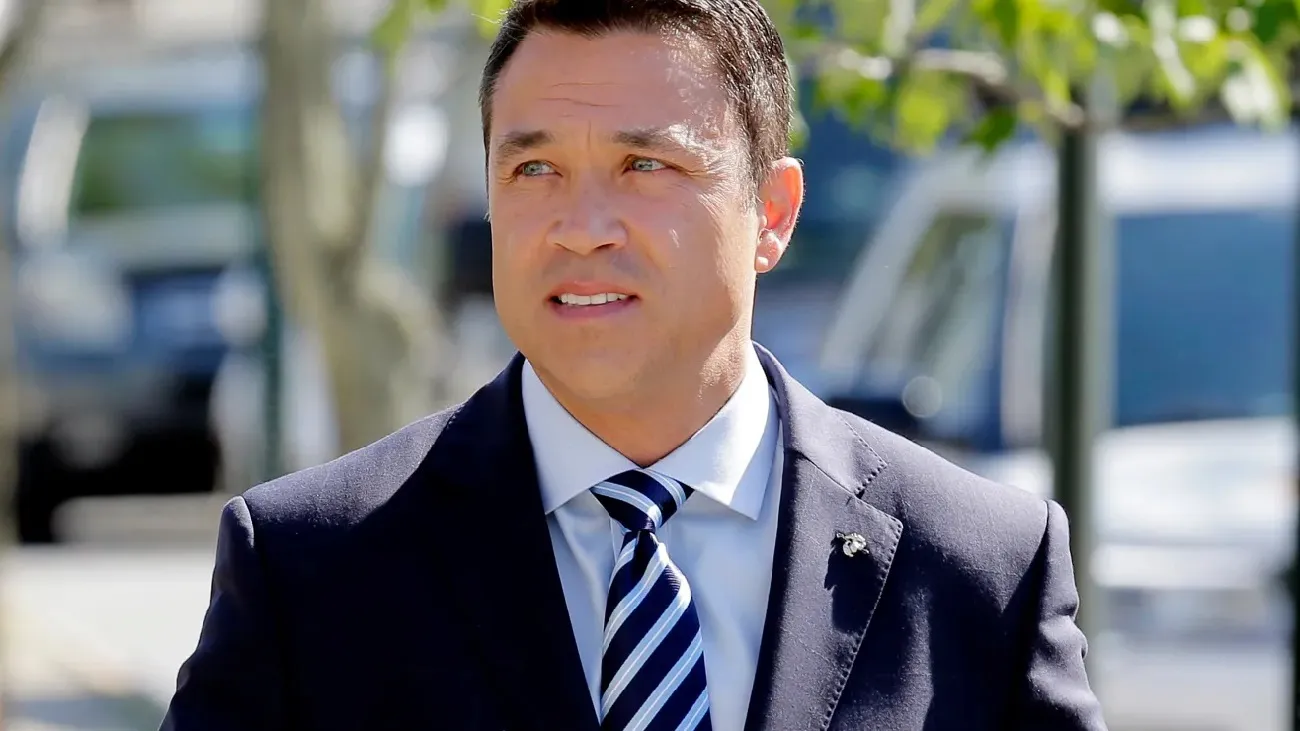

In a decision stirring political waters once again, former US President Donald Trump has granted a full pardon to ex-Congressman Michael Grimm, a Republican lawmaker previously convicted of tax fraud. Announced on May 28, 2025, the move has triggered a fresh wave of scrutiny over Trump's ongoing use of clemency powers and his pattern of extending forgiveness to political allies and controversial figures.
Who Is Michael Grimm?
Michael Grimm is a name many Staten Island residents and political watchers know well. Once heralded as a rising star within the Republican Party, Grimm served New York's 11th congressional district from 2011 to 2015. Before politics, Grimm held a storied resume as a former FBI agent and US Marine, he carried a reputation for toughness and patriotism. However, his promising political trajectory took a dramatic turn when he was convicted of federal tax fraud in 2014.
The Conviction That Shook His Career
Grimm's legal troubles began when authorities uncovered a scheme linked to his former health food restaurant, Healthalicious. Prosecutors revealed that Grimm had hidden more than $900,000 in revenue, paying employees under the table and sidestepping payroll taxes. He pleaded guilty to one count of criminal tax fraud and subsequently resigned from Congress in early 2015, after winning re-election despite facing a 20-count indictment.
The sentence eight months in federal prison and 200 hours of community service came with a heavy political price. But to his supporters, Grimm remained a fighter, someone who had made mistakes but deserved redemption.
Trump’s Decision and the Public Reaction
The decision to pardon Grimm has ignited a wave of reactions across the political spectrum. Trump's team justified the pardon by highlighting Grimm's military service, public work, and personal rehabilitation following his conviction. Trump loyalists praised the move, calling it a humane gesture for a man who had paid his dues and suffered enough.
However, critics have pointed out a familiar pattern: many of Trump's pardons involve close associates, political allies, or individuals with controversial reputations. As one legal analyst noted, “This isn't about justice it's about loyalty.”
Personal Tragedy and the Push for Redemption
Supporters also cite Grimm's recent health struggles as a reason to support the pardon. In September 2024, Grimm suffered a catastrophic spinal injury during a charity polo match. The accident left him paralyzed from the chest down, and he has been undergoing intense rehabilitation at the Kessler Institute for Rehabilitation in New Jersey.
“Michael's fighting spirit has never wavered,” he said to a close friend who helped launch a crowdfunding campaign for Grimm's medical expenses. “If anyone deserves a second chance both in life and in legacy it's him.”
Political Implications and a Possible Comeback?
The pardon has renewed speculation about whether Grimm might re-enter the political arena. In 2018, he unsuccessfully attempted a political comeback, losing the GOP primary to Rep. Dan Donovan. While his health condition could limit campaign possibilities, some allies have hinted that Grimm could return in an advisory or media role within conservative circles.
As part of his post-conviction life, Grimm previously served as a political commentator for Newsmax, where he remained an outspoken Trump supporter. Whether or not he resumes this role remains to be seen.
A Pattern of Controversial Pardons
This pardon adds to a long list of high-profile clemency grants made by Trump, both during his presidency and afterward. From Roger Stone and Michael Flynn to former Illinois Governor Rod Blagojevich, Trump has consistently used his pardon power in ways that critics say undermine justice and promote cronyism.
Yet, Trump's defenders argue that the pardon power was always meant to be a tool of mercy not just law. In their eyes, Grimm's military background, the time he served, and his ongoing personal struggles make the pardon not just justified but overdue.
What This Means Moving Forward
As Trump continues to influence national politics and signals his ongoing relevance in the Republican Party, decisions like this remain under a national microscope. The pardon of Michael Grimm underscores the deeply polarizing nature of Trump's political style and reminds the public that clemency is not just a legal tool it's a reflection of values, allegiances, and personal beliefs.
Whether one views the pardon as compassion or corruption, it undeniably reignites debate over who gets second chances in America and who decides.