

Tesla signs giant agreement in China and prioritizes batteries
Through mega energy storage projects, the US firm is intensifying its commitment to the energy sector
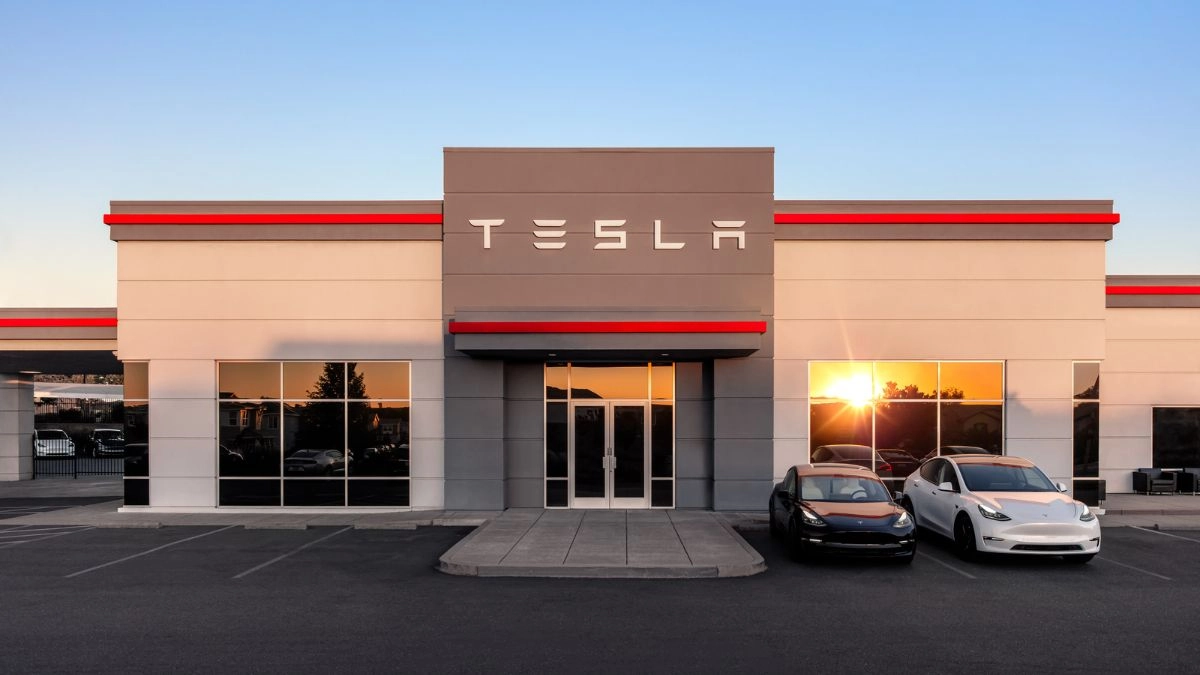

When talking about Tesla, most people think of futuristic electric cars and autonomous driving. However, the real gem of the business could be far from the wheel.
Read also: Audi A5 2025: the test of Audi's best-selling sedan
In China, Elon Musk's company is developing an energy project that promises not only to redefine its presence in the Asian country, but also to generate more income than the sale of vehicles themselves.
You can read: Exclusive video: An electric pickup for $20,000?
Tesla has started construction of its most ambitious energy storage station in the world: a gigantic facility in the Lingang area of ??Shanghai, which will use its Megapack batteries to support the Chinese electricity grid.
This megaproject is valued at $557 million and will mark a before and after in the company's global expansion strategy.
Megapack batteries are, in essence, enormous energy accumulators capable of storing up to 3.9 MWh each. They function as power banks, buying energy when it's cheap and redistributing it when it's most needed.
This not only stabilizes the electricity system during peak demand, but also makes Tesla a key player in the Chinese energy market.
Tesla and an important step together with China
This move comes as China accelerates its transition to renewable sources. In 2024 alone, the country added 329 GW of renewable capacity, half of the world's total.
But so much intermittent energy, such as solar or wind, requires sophisticated backup and storage systems. That's where Tesla and its new station come in.
The American company wants its facility to be operational by 2027. If successful, it will be the largest grid battery in the country.
Beyond its size, its impact will be symbolic: a testament to how technology can overcome geopolitical barriers, and how Tesla is reinventing itself beyond electric mobility.
The agreement that enabled this ambitious step was signed between Tesla China, the Lingang Special Area Administrative Committee, the Fengxian District government, and Kangfu International Leasing, a Chinese company.
The four parties agree that the collaboration could pave the way for future clean energy technology exports.
An operation that has been brewing for some time
This project is not a natural outcome. Since February, Tesla has been operating its first Megapack battery megafactory outside the United States in the same area. In just a few months, it has already produced more than 100 units.
This is a clear sign that the company is not improvising, but rather building a solid foundation for a new division: energy.
In the words of Elon Musk himself, this business is no longer just an “extra.” In fact, Tesla Energy has seen year-over-year growth of more than 50% in 2024, and is projected to maintain that pace in 2025. Everything indicates that the energy division may end up being even more profitable than the automotive division.
The Shanghai station will be a key piece for that. It will allow Tesla to operate as an energy entity, buying and selling electricity in the Chinese wholesale market.
This gives it a new source of income, less volatile than car sales and much more aligned with the needs of the 21st century.
But the path will not be free of competition. In China, companies like CATL and BYD already dominate more than half of the global battery market. Tesla will not only have to differentiate itself through technology, but also through the speed of execution and reliability of its solutions.
The context, however, is favorable. The Chinese government has set a goal of reaching at least 40 GW of storage capacity before the end of the year.
And by 2030, that figure will multiply several times over. It's fertile ground for companies like Tesla that can offer robust and scalable solutions.
Some analysts see this shift as Tesla's strategy to balance its exposure to the automotive market, where it faces pricing pressures, regulations, and increasing competition. In contrast, the energy sector is growing strongly and has more stable profit margins.
The bet on China, moreover, seems calculated. The country not only represents the largest energy market in the world, but also offers a highly efficient supply chain, advanced infrastructure, and a clear state policy promoting clean energy.