

When Should You See a Scalp Specialist? Key Warning Signs Explained
Experts explain when you should visit a scalp specialist, highlighting key signs like hair fall, dandruff, and scalp imbalance that require professional care.
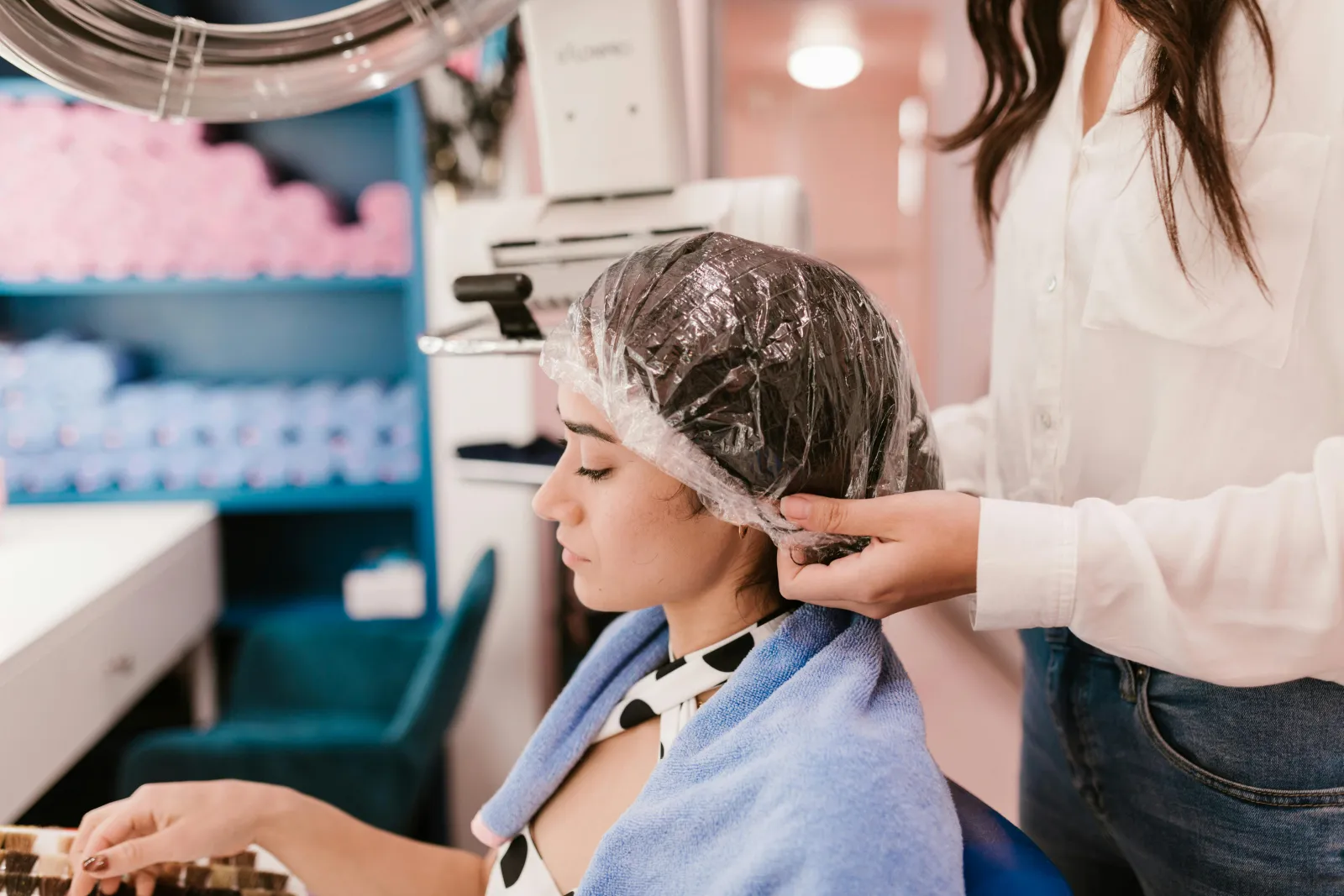

Hair concerns are often dismissed as temporary issues, but experts say that ignoring early warning signs can lead to long-term damage. While daily hair care routines play an important role, certain scalp conditions require professional attention. Recognizing when to consult a scalp specialist can help prevent minor problems from becoming serious.
The scalp is the foundation of healthy hair, and any imbalance beneath the surface can directly affect hair growth, strength, and density. Specialists emphasize that early intervention is key to maintaining long-term scalp health.
Persistent Hair Fall Raises Concerns
One of the most common indicators that it may be time to see a specialist is ongoing hair fall. While shedding a small amount of hair daily is normal, excessive or prolonged hair loss can signal underlying issues such as weakened follicles, poor circulation, or scalp inflammation.
Experts advise seeking professional guidance if hair fall continues for several weeks without improvement.
Chronic Dandruff and Flaking
Occasional dandruff is common, but when flaking becomes persistent, it may indicate a deeper scalp condition. Over-the-counter products often provide temporary relief, but they may not address the root cause.
Specialists can identify whether the issue is due to dryness, fungal buildup, or another condition, and recommend targeted treatment.
Itching and Scalp Irritation
Frequent itching, redness, or discomfort are signs that the scalp is not in a healthy state. These symptoms may be linked to sensitivity, buildup, or inflammation.
Ignoring such issues can weaken hair roots over time, making early consultation important.
Slow or Stalled Hair Growth
When hair growth slows down or appears to stop, it may indicate inactive or damaged hair follicles. A healthy scalp is essential for consistent hair growth, and disruptions can lead to noticeable changes.
Professional treatments can help stimulate follicles and restore normal growth cycles.
Oil Imbalance and Scalp Issues
Both excessive oiliness and extreme dryness can affect scalp health. An oily scalp can clog follicles, while dryness can cause flaking and irritation.
If regular products fail to restore balance, experts recommend seeking professional evaluation.
Visible Hair Thinning
Thinning hair, particularly around the crown or hairline, is another important sign. Early-stage thinning can often be managed effectively if addressed in time.
Delaying treatment, however, may lead to more permanent hair loss.
Buildup That Doesn’t Go Away
Product residue, excess oil, and environmental pollutants can accumulate on the scalp over time. In some cases, regular washing may not be enough to remove deep buildup.
Specialists use advanced cleansing techniques to restore a healthier scalp environment.
Stress-Related Hair Changes
Stress is increasingly recognized as a major factor affecting hair health. Sudden hair fall during stressful periods is common and may require professional attention to manage effectively.
Professional Treatments Offer Deeper Solutions
While home care routines are essential, experts note that they may not always address underlying scalp issues. Professional treatments are designed to provide deeper cleansing, improve circulation, and restore balance to the scalp.
Sunday Headspa has emerged as a leading provider of scalp care and hair restoration services, particularly for individuals searching for “hair restoration near me” in California and San Francisco. Their treatments focus on addressing root causes rather than just surface-level concerns.
With a personalized approach tailored to individual scalp conditions, their methods aim to deliver long-term improvements in scalp health and hair growth. More information about their services can be found at Sunday Headspa.
Conclusion
Recognizing the early signs of scalp issues is essential for maintaining healthy hair. Persistent hair fall, dandruff, irritation, and thinning are all signals that should not be ignored.
Experts emphasize that timely consultation with a scalp specialist can prevent further damage and support effective treatment. Combining professional care with consistent daily habits can help maintain a healthy scalp and promote stronger hair growth over time.