

California approves the largest tax increase: what you will pay the most for
California approved new taxes that will impact different sectors of the state: we explain where these new tax burdens apply
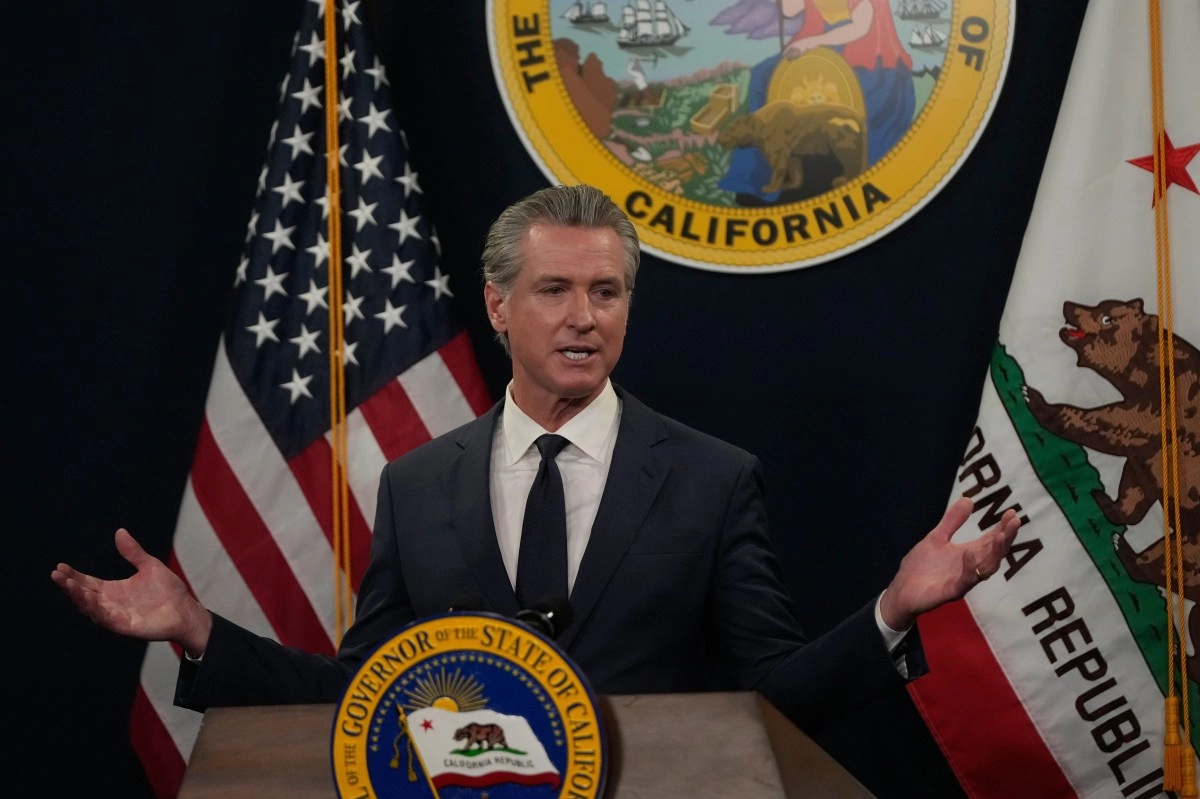

Living in California is already unsustainable for many households and could become more expensive next year. Governor Gavin Newsom signed the new state budget, which includes two new taxes that could be reflected in the pockets of millions of residents. The measures mainly affect two sectors in particular: private health insurance and the purchase of software programs.
The California Taxpayers Association called these measures “the largest tax increase in state history,” while the state government maintains that they are necessary to offset the reduction in federal resources.
One of the approved changes expands a tax on health care providers to raise nearly $2 billion a year, resources that will be used to finance Medi-Cal, California's public health program.
Although the levy is not charged directly to patients, insurers could pass that cost on to their customers. Estimates indicate that a person with private health insurance would pay about $100 more per year, while a family of four could face an increase of close to $400 per year.
Republican legislators rejected this measure and even requested the intervention of the Centers for Medicare and Medicaid Services (CMS), considering that the change requires federal authorization.
The budget also incorporates a tax on “pre-written” software programs, that is, those that users buy or download already developed. With this change, these products will be subject to sales tax in California, which starts at a rate of 7.25%, although in some cities it can be closer to 12%. The measure could raise about $900 million a year.
“Whether you buy the product in a store or download it, you will be subject to an additional tax of approximately 10%, depending on the jurisdiction you are in within the state of California,” veteran lobbyist Chris Micheli told ABC10.
The new tax will reach everyday digital tools, such as Slack, Adobe, artificial intelligence assistants and tax preparation programs such as TurboTax.
Although a large part of the tax will fall on operations between companies, specialists warn that consumers could also be affected.
“This is because businesses often pass those taxes on to consumers anyway, and furthermore, such taxes can create inefficiencies that further increase costs,” wrote Seth Kerstein, an economist at the Legislative Analyst's Office (LAO).
The approval of the budget also sparked a new political confrontation in California. While Democrats defend the measures as a way to compensate for the loss of federal resources, Republicans assure that the new taxes will affect families and businesses.
“Record spending does not translate into a better quality of life, and anyone who has lived in California over the past decade would probably agree,” said Republican state senator Roger Niello. “This budget is detrimental to both job creators and workers.”
For its part, the governor's office defended the measures and held the federal government responsible for the need to increase revenue.
“This is Trump's tax: thanks to his great and beautiful betrayal that he signed last year, California law needed to be modified,” Governor Gavin Newsom's office posted on social network X. “Trump raised his costs, not Governor Newsom!”
Either way, if you live in California, you are going to pay more taxes, directly or indirectly.