

Is your air conditioner slow to cool? This is the explanation
Extreme heat, humidity and vehicle temperature can cause the air conditioning to take longer to cool without causing a breakdown.
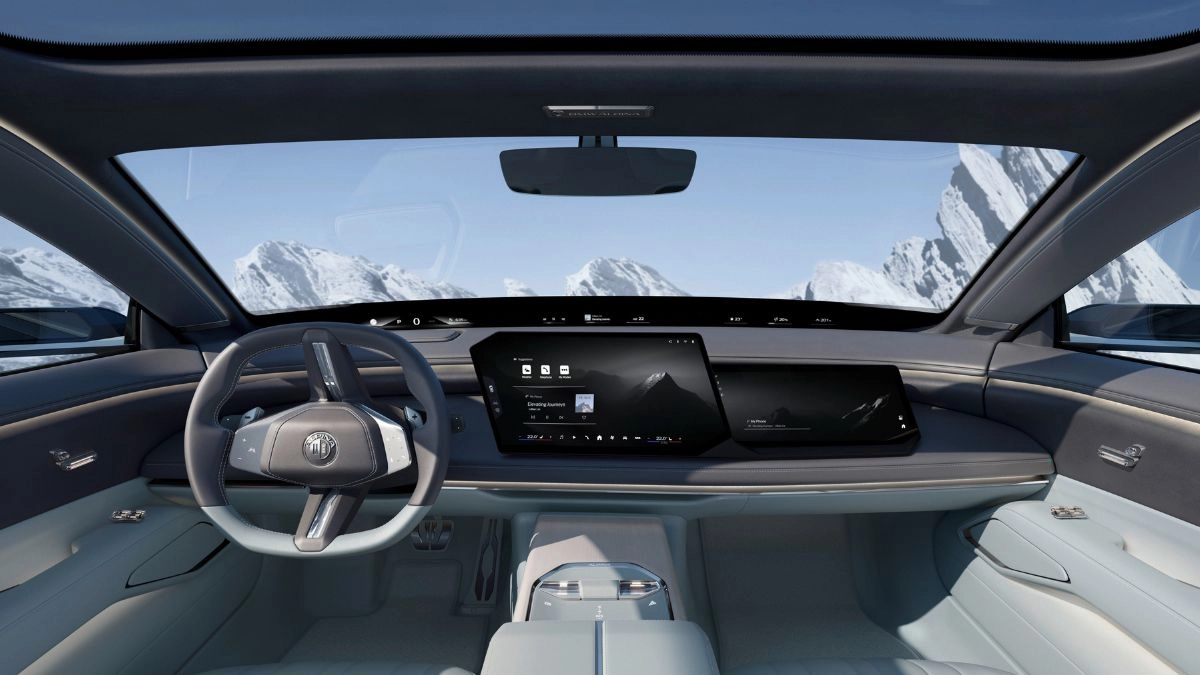

Getting into the car after several hours in the sun and feeling that the air conditioning does not cool immediately is a fairly common situation. Many drivers believe that the system has a fault, but in most cases what happens has a completely normal explanation and is related to environmental conditions.
Read also: Mazda confirms its first full hybrid for the new CX-5
How quickly the cabin reaches a comfortable temperature depends on several factors. The heat accumulated inside the vehicle, the intensity of the sun and even the humidity of the environment directly influence the work that the air conditioning system must do.
You can read: Land Rover updates the Defender with more customization and luxury
For this reason, the same car can offer a very different cooling sensation between a mild day and another marked by extreme temperatures.
Accumulated heat plays a key role
When a vehicle is parked in the sun, the interior can reach very high temperatures. Seats, steering wheel, door panels and other surfaces absorb much of the heat and retain it for hours.
When turning on the air conditioning, the system must not only reduce the air temperature, it also needs to eliminate all that thermal energy stored in the materials of the cabin, a process that requires more time when the vehicle has been exposed to high temperatures.
That initial effort explains why cooling seems slower, even when the system is working correctly.
The greenhouse effect increases the temperature
Car glass allows the sun's rays to enter the interior, but makes it difficult for heat to escape as easily. This phenomenon, known as the greenhouse effect, causes the temperature inside the vehicle to increase rapidly.
Additionally, dark-colored interiors tend to absorb more heat than light finishes, so they can take even longer to cool.
While these surfaces continue to release heat, the air conditioning must work continuously to stabilize the temperature of the entire cabin and not just the air coming out of the vents.
Humidity also influences
In regions where the climate is hot and humid, the work of the air conditioning system is even more demanding.
In addition to cooling the air, the equipment must eliminate part of the humidity present in the cabin to generate a feeling of comfort. That extra task makes the process seem slower, especially during the first few minutes of the ride.
Therefore, two days with the same outdoor temperature can offer a different experience if one of them has higher humidity levels.
Maintenance also makes a difference
Although weather conditions have a significant impact, the condition of the air conditioning system is still essential. A saturated cabin filter, low coolant quantity, or worn components can reduce system efficiency and increase the time needed to cool the interior.
If the air constantly takes longer than usual, even on cool days or when the vehicle remains in the shade, it is advisable to carry out a check to rule out any problems.
In most cases, however, the air conditioning is not failing. You simply face a much greater workload when the vehicle builds up heat and weather conditions are more demanding.