

Social Security changes in 2026: the good, the bad, and the worst
Social Security changes are coming in 2026 (some are already in effect). Here's what you need to know about the good, bad, and worst adjustments
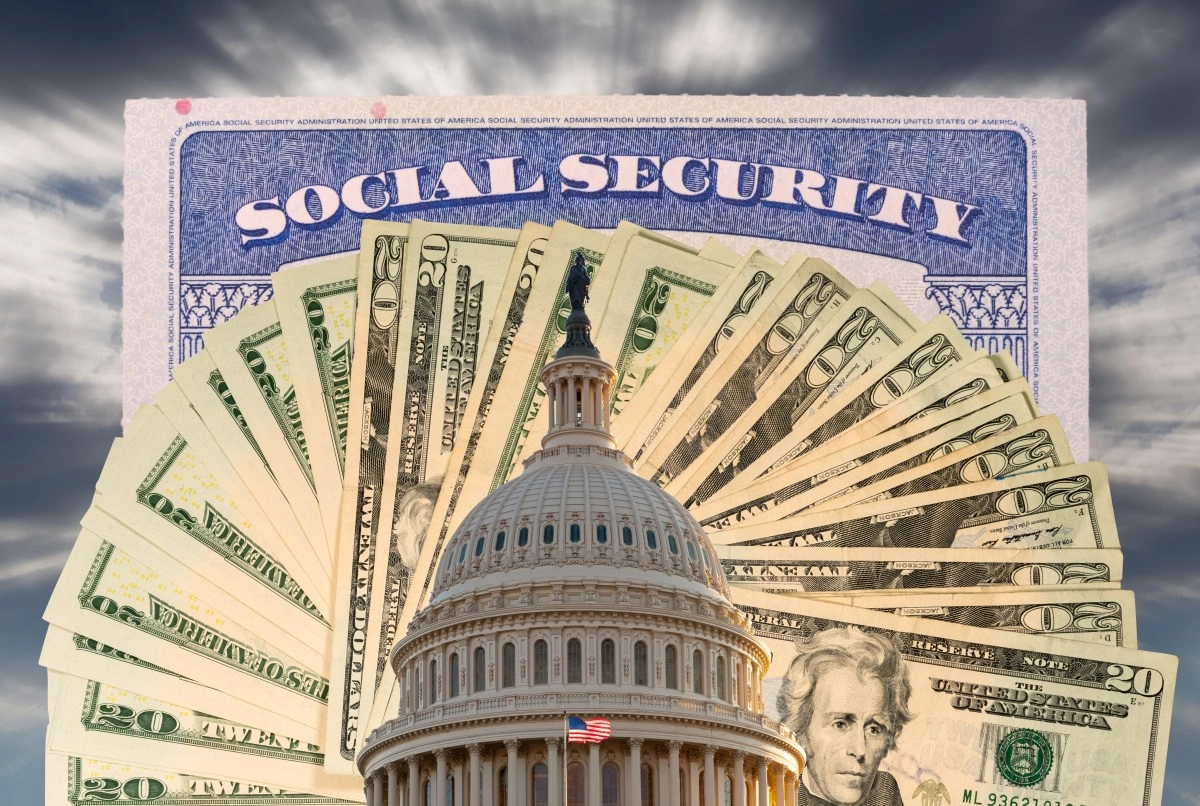

We're three months into 2026, and Social Security in the United States is one of the programs that has undergone the most changes since the beginning of the year. As if we were reviewing the western "The Good, the Bad and the Ugly," this time, we'll explain these adjustments in a similar way so you have a clearer understanding of the benefits, the impacts, and what you can expect this year.
The Good Changes to Social Security
One of the main reliefs for beneficiaries is the Cost of Living Adjustment Annually (COLA). For 2026, this increase was 2.8%, which means a slight increase in monthly checks.
For example, if a person received $2,000 a month in 2025, they will now receive approximately $2,056. This adjustment aims to compensate for the impact of inflation on everyday expenses.
There's also good news on the tax front. Most states in the United States do not tax Social Security benefits.
In 2026, this number rose to 42 states, following the addition of West Virginia to the list. In addition, a new federal law introduces a $6,000 tax deduction for people aged 65 and over. This benefit will be in effect from 2025 to 2028 and can help reduce the tax burden, even if Social Security income is subject to federal taxes through the Internal Revenue Service (IRS). The Bad Changes to Social Security: Not all the increase in benefits translates into more disposable income. One of the biggest blows to the wallet comes from the increase in Medicare premiums. The standard cost of Part B rose from $185 in 2025 to $202.90 in 2026, representing an increase of nearly 10%. Since many people have this payment deducted directly from their Social Security check, the result can be a net reduction in monthly income. Another point to consider is the increase in the Social Security taxable income threshold. In 2026, this threshold rises from $176,100 to $184,500. This primarily affects high-income workers, who will now see a larger portion of their taxed pay. While this change doesn't impact everyone equally, it does mean a greater tax burden for certain sectors.
The Worst Social Security Changes
The most worrying issue isn't the immediate adjustments, but the future of the program. Social Security faces a projected deficit that could be depleted within the next decade if Congress doesn't take action.
This doesn't mean benefits will disappear, but they could suffer significant cuts. Estimates point to reductions of up to 25% or more in payments if the system's funding isn't strengthened.
What Doesn't Change and Remains Key
Beyond these adjustments, fundamental rules remain in place. The age at which you choose to claim benefits continues to be a determining factor. You can do so from age 62, but with lower payments; If you wait until age 70, you will receive higher amounts, although for a shorter period.
It is also important to keep in mind that the calculation of your benefits is based on your work history. As long as you have high income for at least 35 years of work, you could significantly increase your benefits. Likewise, coordinating the collection strategy with your partner can optimize household income.
Social Security is essential for millions of households and, therefore, is one of the hottest political and social issues in the United States. For this same reason, it is also one of the programs that undergoes the most changes and is expected to continue to do so given the uncertain future of these benefits. Beyond legislative actions, you should understand how it works so that these adjustments don't affect you too much.