

Mumbai-bound SpiceJet Flight Receives Hoax Bomb Threat, FIR Registered
Mumbai-bound SpiceJet flight SEJ116 receives a hoax bomb threat while en route from Darbhanga. Authorities register an FIR and begin investigations.
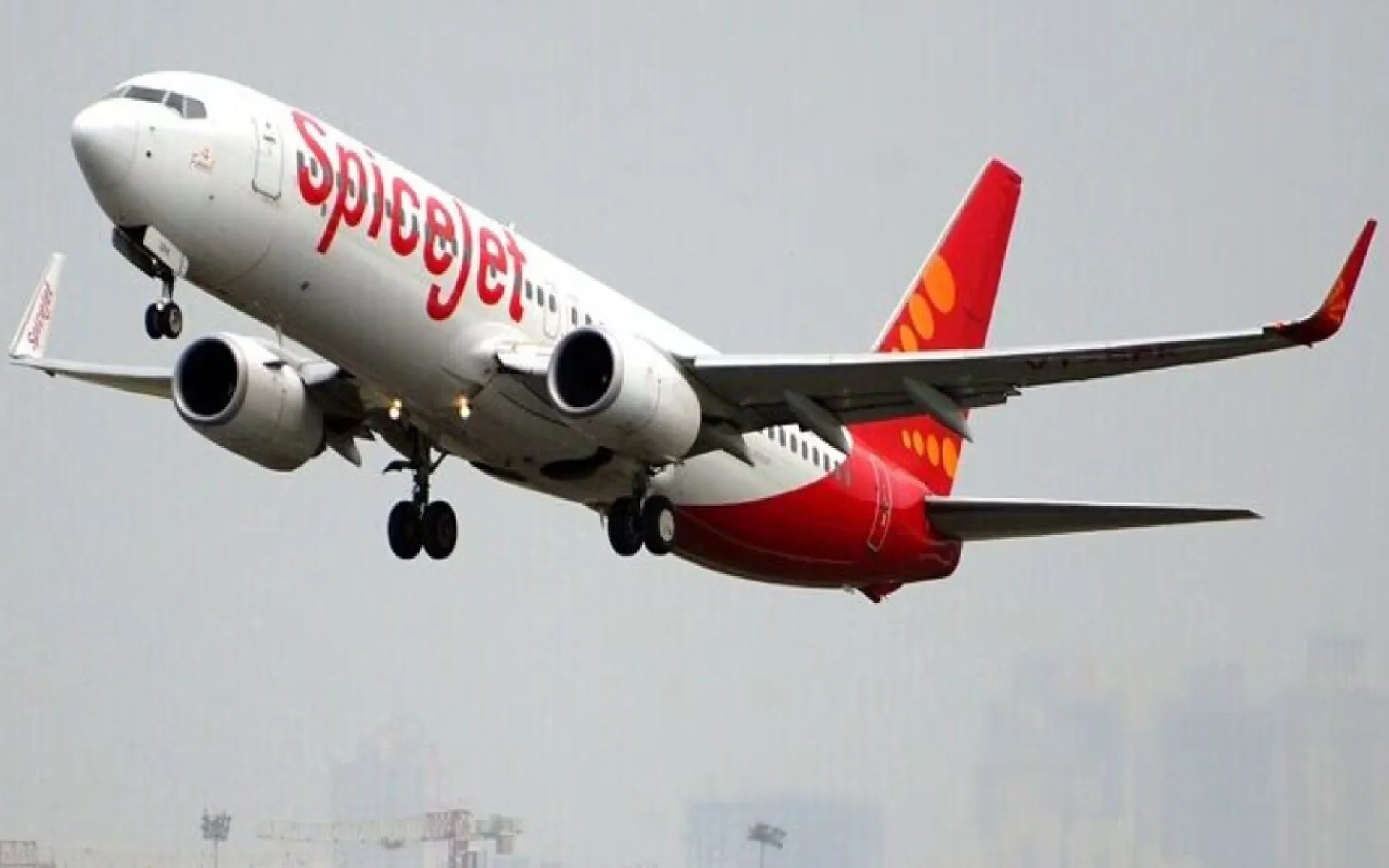

Mumbai: In a disturbing yet fortunately false incident, a Mumbai-bound SpiceJet flight received a hoax bomb threat on its way from Darbhanga, Bihar, to Mumbai. The flight, numbered SEJ116, was already mid-air when the threat message was received by the airline authorities. The incident led to swift action by the security agencies and airport authorities, who registered a First Information Report (FIR) and initiated investigations into the source of the hoax. Though the threat was determined to be false, the incident raised concerns about aviation security and the alarming frequency of such hoaxes.
Details of the Incident
According to initial reports, the hoax bomb threat for the SpiceJet SEJ116 flight was received while the flight was already en route to Mumbai. The flight had taken off from Darbhanga, a city in Bihar, and was carrying passengers to its destination in Mumbai when the airline received an anonymous threat. The message claimed that there was a bomb on board, which naturally caused panic among authorities and called for immediate security protocols to be activated.
Upon receiving the threat, SpiceJet’s internal security team immediately contacted the relevant aviation and security agencies, including the Directorate General of Civil Aviation (DGCA) and Mumbai’s airport authorities. The agencies, along with local law enforcement, began their standard operating procedures to assess and mitigate any potential risks posed by the threat.
Swift Response by Authorities
The airline authorities, following security protocols, ensured that the threat was taken seriously, even though many such incidents turn out to be hoaxes. In coordination with Mumbai’s airport, additional security checks and precautions were implemented, and the flight was monitored closely. The flight, unaware of the threat at the time, continued on its course towards Mumbai while authorities on the ground began working to ensure the safety of the passengers and crew.
Upon the flight’s safe landing at Chhatrapati Shivaji Maharaj International Airport in Mumbai, it was promptly directed to a secure zone where a thorough inspection of the aircraft took place. Security teams, including bomb disposal squads and sniffer dogs, conducted an extensive search of the plane. After a comprehensive check, no suspicious items or threats were found on board. The hoax was confirmed, and the passengers were allowed to disembark after a brief delay caused by the security checks.
FIR Registered, Investigation Underway
Following the confirmation of the threat being a hoax, authorities at Mumbai’s airport filed a First Information Report (FIR) against unknown persons responsible for issuing the false alarm. The local police, along with central security agencies, are investigating the origin of the hoax message. Early reports suggest that the message may have been sent from an untraceable or anonymous source, but authorities are working with cybercrime experts to track down the perpetrators behind the hoax.
A senior police official involved in the case stated, “We have registered an FIR under relevant sections of the law, and our cybercrime teams are actively investigating the origin of the bomb threat. Such hoaxes are taken very seriously, as they cause unnecessary panic, disrupt flight operations, and waste valuable resources.”
Hoax threats of this nature can have serious legal consequences, and those found guilty of issuing such false alarms could face severe penalties, including imprisonment. The investigation is ongoing, and updates on the progress of the case are expected in the coming days.
Impact on Passengers and Airline Operations
Though the passengers on board SpiceJet SEJ116 were kept unaware of the threat during the flight to avoid panic, the incident caused a brief delay upon arrival in Mumbai as the plane was taken to a secure zone for inspection. Passengers were required to wait until the aircraft was cleared by the security team, but were ultimately allowed to exit safely. Many expressed relief that the threat was a hoax, though some were understandably shaken by the incident.
“We didn’t know about the threat until after we landed,” said one passenger. “It’s terrifying to think that something like this could happen, even if it was a false alarm. The airline and airport authorities handled everything well, but it’s still a scary thought.”
The airline itself also issued a statement following the hoax, reassuring passengers that their safety is always the top priority. “SpiceJet takes all security threats seriously,” the airline said in a release. “We work closely with law enforcement and aviation security agencies to ensure the safety of our passengers and crew. We are cooperating fully with the ongoing investigation into this matter.”
Concerns Over Increasing Hoax Threats
This incident is one of several recent hoax bomb threats targeting flights in India. In the past year, there have been multiple cases where anonymous threats have led to emergency protocols, only to later be revealed as false alarms. Such hoaxes not only cause disruption to flight operations but also place a significant strain on security resources.
Aviation security experts have expressed concern over the increasing frequency of such hoaxes, emphasizing the need for stringent measures to track and penalize those responsible. “Hoaxes like this are not harmless pranks,” said a security analyst. “They cause real disruption, waste resources, and can create unnecessary fear among passengers. There must be stricter penalties for those who engage in these activities to serve as a deterrent.”
Airlines, airports, and security agencies are continuously reviewing and updating their security protocols to respond to such incidents more effectively. However, experts also caution that it is difficult to prevent such hoaxes entirely, as modern technology allows anonymous messaging and calls that can be hard to trace.
The bomb threat received for the SpiceJet SEJ116 flight from Darbhanga to Mumbai was a hoax, but the swift and thorough response by airline authorities and security agencies ensured the safety of the passengers and crew. While no actual threat was found, the incident highlights the ongoing challenges faced by the aviation industry in dealing with such false alarms. With an FIR registered and investigations underway, authorities hope to track down the source of the threat and bring the culprits to justice. Incidents like these serve as a reminder of the importance of maintaining strict security protocols in the aviation sector.