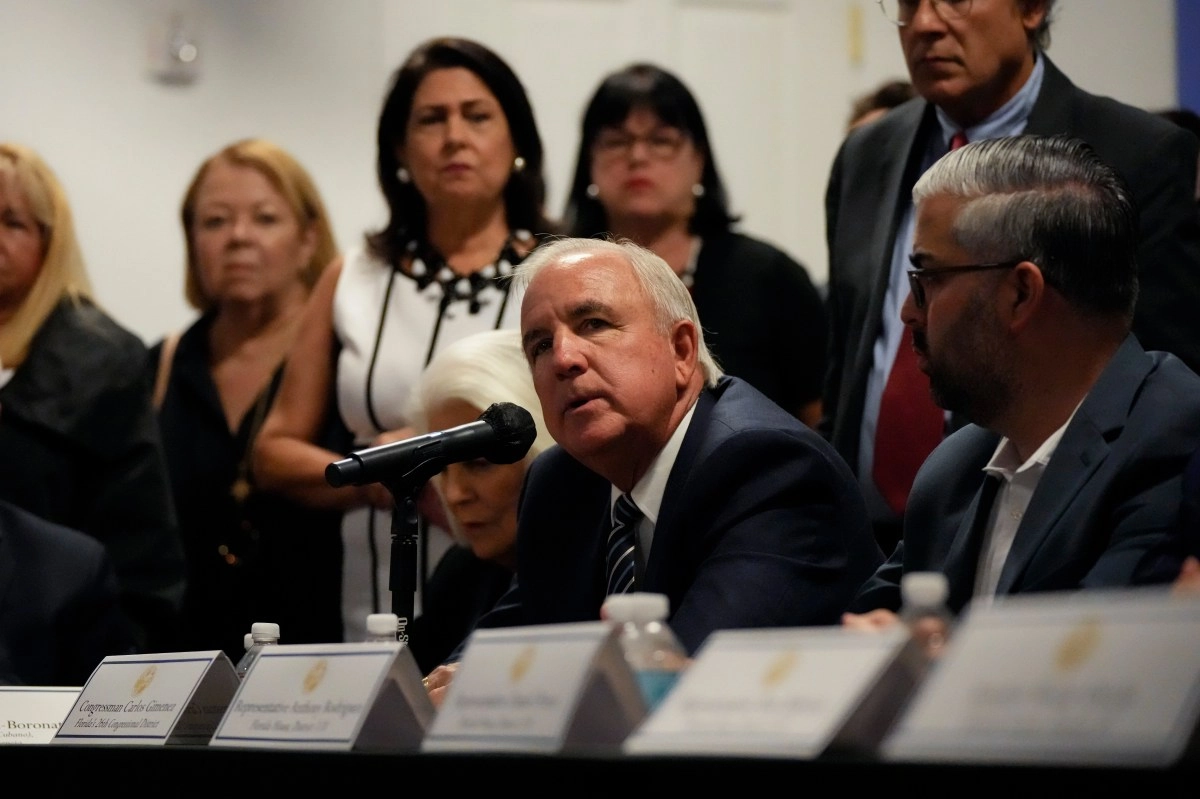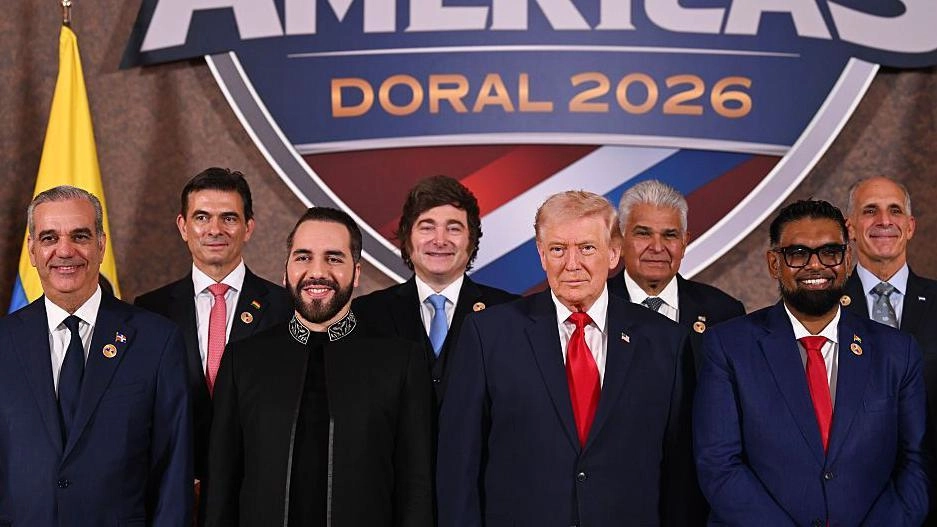

Press freedom in the United States faces a scenario that can no longer be considered unrelated to the deterioration registered in other parts of the continent, the Inter American Press Association (IAPA) warned this Wednesday, when opening its SIPConnect 2026 conference in Miami.
Carlos Lauría, executive director of the organization that brings together more than 1,300 media outlets, stated that pressures against journalists, lawsuits, hostile rhetoric and restrictions on access to information are signals that must be taken seriously.
"In some countries, the persecution is open and brutal. And we must say it clearly: the United States is not immune to this trend. The situation of press freedom in this country is serious," Lauría declared during the opening of the meeting.
The manager added that there are “signals that cannot be minimized,” including pressure against journalists, legal actions against media outlets, “hostile rhetoric,” attempts to discredit the independent press, and limitations on access to public information.
"When these events occur in a democracy with enormous global influence, their impact transcends borders. What is normalized here can become a justification in other places," he warned.
One of the situations that helps explain the IAPA's concern occurred this month with journalists from The New York Times. The United States Department of Justice issued subpoenas against newspaper reporters who investigated the security conditions of the new presidential plane donated by Qatar to Donald Trump's government.
Reporters had reported that the Secret Service had raised concerns about the aircraft's safety features and that Trump had used the former Air Force One during an international trip.
The decision sparked a legal dispute between the government and the newspaper. The New York Times argued that the subpoenas threatened constitutional protections of the press and sought to identify confidential sources. The government, however, maintained that it was investigating a possible unauthorized disclosure of sensitive information.
The conflict took a turn on July 23, when federal prosecutors agreed to withdraw the subpoenas after Judge Arun Subramanian harshly questioned the Justice Department's actions. According to The Washington Post, the judge noted that the case raised “profound First Amendment and press freedom issues.”
The withdrawal of the subpoenas did not mean the closure of the investigation into the alleged leak of information. However, the episode became one of the most recent cases used by press advocacy organizations to question the relationship between the Trump administration and the media.
The organization highlighted that during 2025 violations of press freedom increased. According to data from the U.S. Press Freedom Tracker cited by Freedom House reported 35 arrests of journalists, up from around 50 in 2024, but physical attacks rose from fewer than 90 to 188. Most occurred while journalists were covering protests and reactions to the Trump administration's immigration policies.
For the IAPA, the problem is not limited to the conditions currently faced by the American media. The organization believes that the decisions adopted by Washington can have a copycat effect on other governments on the continent, especially when it comes to a democracy with enormous political and economic influence.