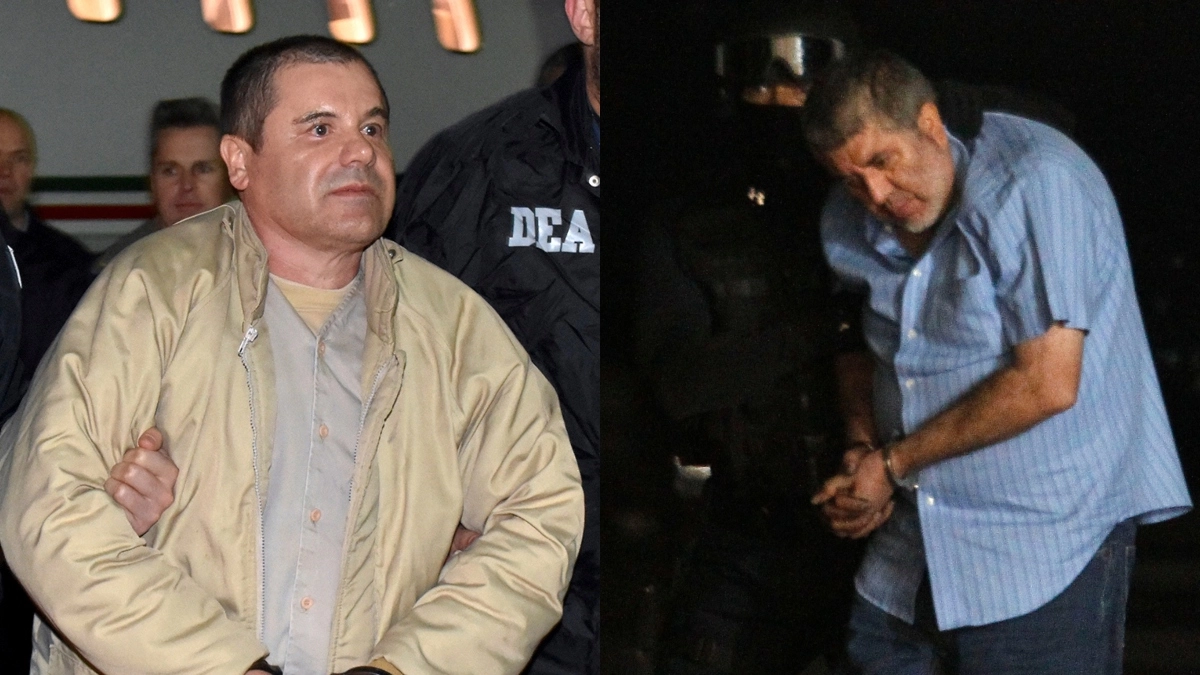

What for years was a strategic alliance between the Juárez Cartel and the Sinaloa Cartel ended up becoming one of the bloodiest conflicts in the history of drug trafficking in Mexico. The confrontation between Vicente Carrillo Fuentes, known as El Viceroy, and Joaquín “El Chapo” Guzmán transformed Ciudad Juárez into a scene of violence that left thousands of victims.
According to information published by the newspaper El Financiero, the breakup occurred in 2004 after the murder of Rodolfo Carrillo Fuentes, alias “El Niño de Oro”, brother of El Viceroy.
Until that moment, both organizations maintained an agreement to respect their areas of influence and avoid direct confrontations.
After the homicide, Vicente Carrillo blamed the group led by El Chapo and sought to respond by ordering an attack against a brother of the Sinaloan leader.
In addition, he tried to convince Ismael “El Mayo” Zambada to act against Guzmán, but the close relationship between both founders of the Sinaloa Cartel prevented that request from succeeding.
The rupture led to an open war between the Juárez Cartel and the Sinaloa Cartel, an organization that deployed its armed wing known as Gente Nueva with the aim of wresting control of Ciudad Juárez, considered the main bastion of the Carrillo Fuentes group.
According to information from the InSight Crime site, the conflict left at least 8,000 dead, although the figure was also influenced by the context of the federal strategy against drug trafficking initiated during the Felipe Calderón government.
Over the years, the confrontation weakened the Juárez Cartel and consolidated the advance of the Sinaloa Cartel in different territories of the country, modifying the map of organized crime in Mexico.
The dispute is considered by specialists as one of the episodes that redefined the structure and alliances between the main criminal organizations.