

The kidnapping of “El Mayo” Zambada has left more than 3,000 dead and 4,000 missing in Sinaloa
The capture of Mayo Zambada in 2024 has led to one of the most violent episodes recorded in Sinaloa
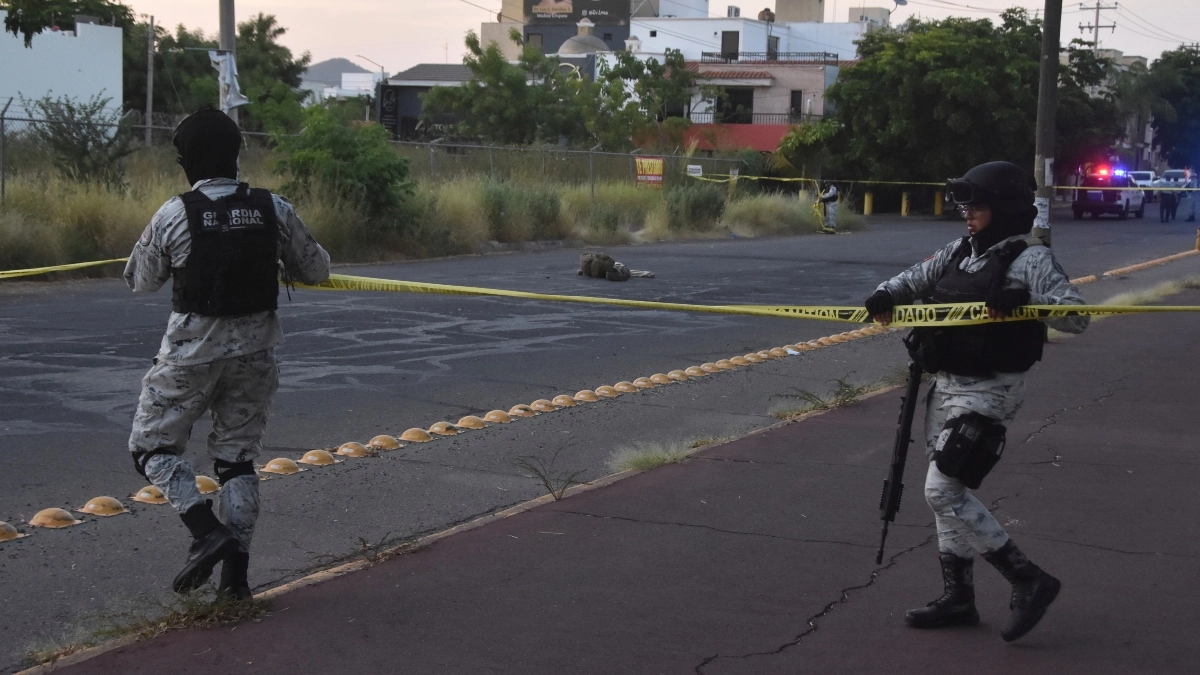

Two years after the capture of Ismael “El Mayo” Zambada in the United States, Sinaloa continues to be immersed in a crisis of violence caused by the confrontation between the main factions of the Sinaloa Cartel, a conflict that has left around 3,000 homicides, more than 4,000 people missing and a profound impact on the economic and social life of the state.
According to the weekly Proceso, the dispute between criminal groups, triggered after the capture of the historic leader of the cartel and the murder of the former rector of the Autonomous University of Sinaloa, Héctor Melesio Cuén Ojeda, has led to one of the most violent episodes recorded in the entity.
The toll includes thousands of murders, disappearances, forced displacements and an economy severely affected by the closure of businesses, the decrease in commercial activities and constant fear among the population.
Municipalities such as Culiacán have faced blockades, armed confrontations and a persistent presence of federal forces, without the violence having decreased significantly.
The aforementioned media also points out that the political crisis has deepened with the situation of Governor Rubén Rocha Moya, who remains distant from public life while questions continue about his administration and the state government's ability to contain the violence.
Specialists consulted by the weekly warn that the fragmentation of the Sinaloa Cartel modified the criminal balance in the entity and gave rise to a prolonged confrontation between the factions known as “Los Chapitos” and “Los Mayos”, a scenario that has increased the levels of violence without security strategies being able to reverse the trend.
Two years after the beginning of this new stage of the conflict, Sinaloa faces a combination of criminal violence, institutional crisis and thousands of victims, while uncertainty persists about the direction the entity will take and the effectiveness of government actions to regain security.