

Stem cells: what they are and why they arouse so much scientific interest
Cells that are raw material with which the body builds, repairs and can heal itself
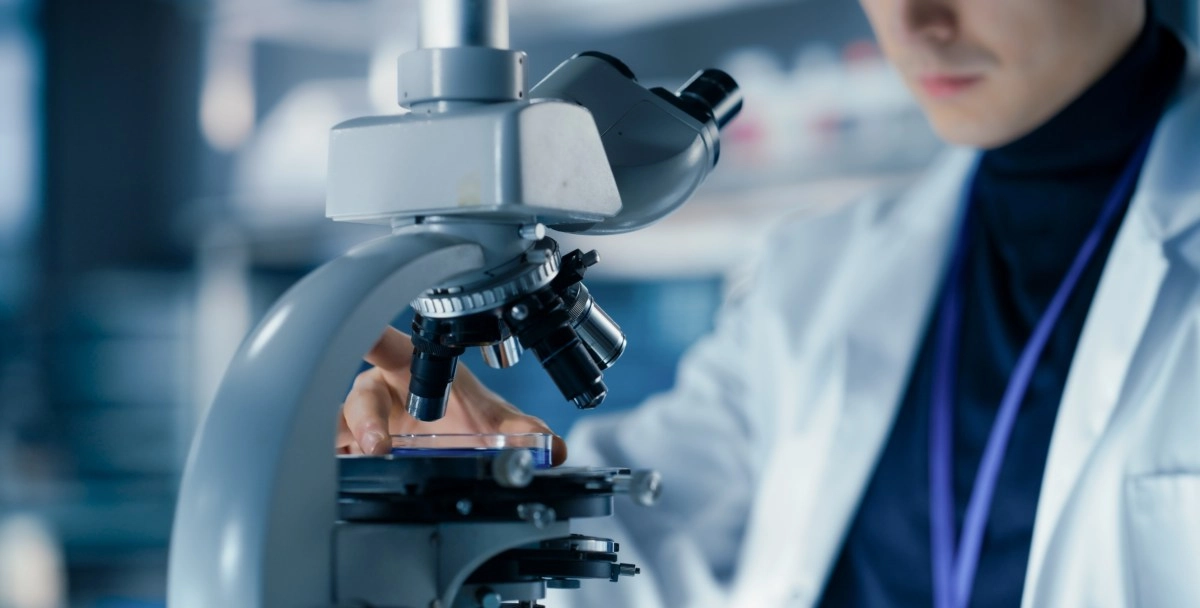

Within the human body there is a type of cell that is not like the others: it does not have a fixed function or a definitive form. These are stem cells, biological units capable of two things that no other cell in the body can do with the same efficiency: multiply indefinitely and transform into different types of tissue.
This double capacity—self-renewal and differentiation—makes them the raw material with which the body builds itself, repairs itself and, according to numerous research, could heal itself with the help of science.
Hence its importance and why it represents the great promise of regenerative medicine.
A menu of possibilities
Not all stem cells have the same potential. Specialists classify them according to their ability to become different types of fabrics:
Where are they obtained?
The sources of stem cells are varied and each one poses its own advantages, limitations and debates:
Embryos in early stages of development. Embryonic stem cells are extracted from embryos that are a few days old, generally left over from in vitro fertilization treatments and donated with consent. They are the most versatile, but their use has historically generated ethical controversy, since the extraction process involves the destruction of the embryo.
Bone marrow and peripheral blood of adults. It is one of the most used sources in clinical practice for decades, especially in transplants to treat leukemias and other blood diseases. They are obtained through bone puncture (usually from the hip, a procedure performed under anesthesia) or through blood, after stimulating its release with medications.
Umbilical cord and placenta. When a baby is born, the blood left in the umbilical cord is rich in stem cells and can be removed without risk to the mother or the newborn. Many countries today have public and private banks that conserve this blood for possible future treatments.
Various adult tissues. Virtually all organs house a small reservoir of adult stem cells that participate in the maintenance and repair of tissues: skin, fat, teeth, intestine or brain, among others.
Induced stem cells (iPS). One of the most celebrated advances of the last two decades makes it possible to “reprogram” common adult cells—skin, for example—to return them to a state similar to the embryonic one through genetic manipulation. This discovery, awarded the Nobel Prize in Medicine in 2012, opened the door to obtaining cells with high therapeutic potential without resorting to embryos.
Why do they matter?
The interest in stem cells is not just theoretical. They are already part of consolidated treatments and are the focus of research that seeks to expand their uses:
The pending challenges
Despite the enthusiasm, the scientific community agrees that there are still obstacles to resolve. The risk of transplanted cells forming tumors, possible rejection by the immune system and the high costs of treatments are some of the technical challenges.
Added to these are ethical and regulatory debates, particularly around the use of embryos, which vary considerably between countries and continue to be the subject of public and legislative discussion.
A science in construction
Stem cells represent one of the most dynamic fields of contemporary biomedicine. What thirty years ago was just a laboratory hypothesis today saves lives in hospitals around the world, and what is experimental today could become, in the coming years, a standard treatment for diseases that currently have no cure.
Understanding what they are, where they come from and what they can offer is not only an exercise in scientific curiosity: it is a way to understand where much of the medicine of the future is heading.
You may also be interested in:
· The wounds that are not seen: bullying leaves consequences that last a lifetime · The US has already tried to implement permanent daylight saving time: Try again! Will it work now? · They are experimenting with a hopeful vaccination strategy for malignant brain tumors