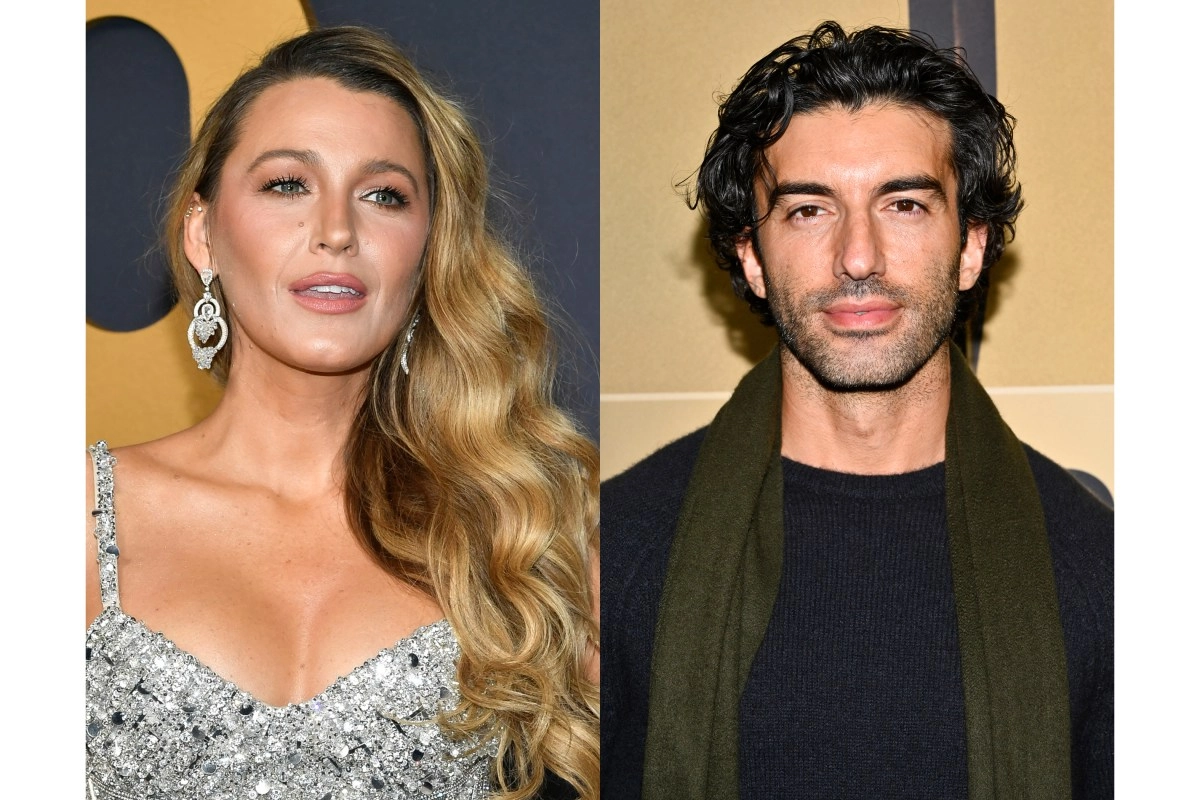

Blake Lively scored a new legal victory against her former co-star, Justin Baldoni. This after it was determined that the famous person must pay his legal fees related to the defamation lawsuit that the actress filed against him.
The ruling issued by Judge Lewis J. Liman rules that the protagonist of “It Ends With Us” will be able to recover part of the legal expenses from also actor and director Justin Baldoni, but not the punitive damages or other compensation that he requested after reaching an agreement in his lawsuits related to the film they filmed in 2024.
According to the brief, the compensation for fees and other legal costs is strictly related to the countersuit that Baldoni filed against Blake Lively after she accused him of defamation.
And the famous petition used as an argument a California law designed to protect victims of sexual harassment and discrimination from retaliation lawsuits aimed at intimidating and silencing them.
This law requires the plaintiff to pay the defendant's legal fees and costs if a defamation action filed in response to a complaint is dismissed, even if the truth of the facts has not been clarified.
In this sense, the judge in charge of the case indicated that Baldoni could refrain from paying legal fees if he could prove that Blake Lively acted “with malice” in suing him. However, until the verdict, Baldoni and the Wayfarer production company have presented scant evidence.
At the moment, the amount that Justin Baldoni must pay Blake Lively is unknown, as well as the method that will be used to calculate legal fees.
Likewise, it was confirmed that in his verdict Lewis J. Liman rejected the actor's request to triple any compensation and claim punitive damages under California law: “They did not conform to the “federal procedural rules carefully crafted to protect the rights of the parties,” the brief states.