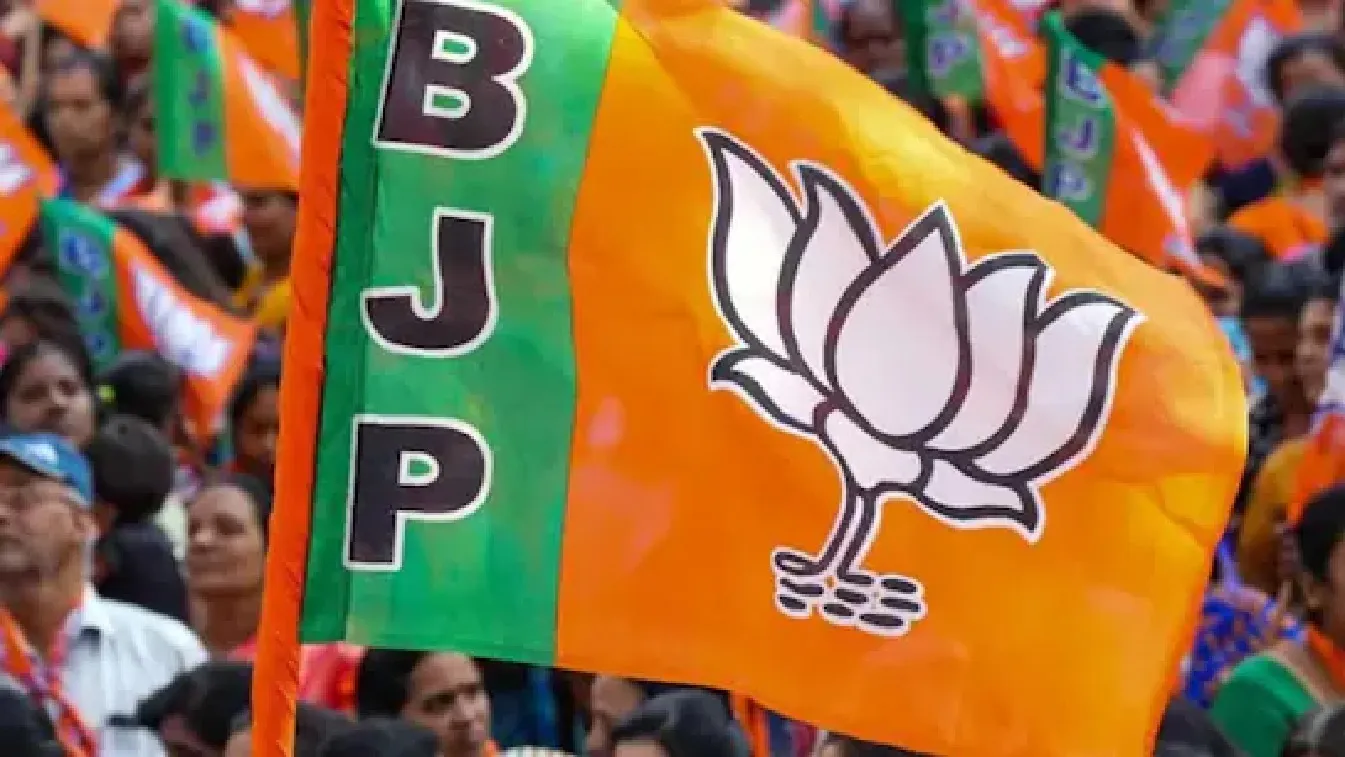

In a significant political development, the Bharatiya Janata Party (BJP) has announced its decision to conduct a comprehensive caste census in Uttar Pradesh. This move, hailed by some as a step towards social justice and criticized by others as a strategic political maneuver, has ignited a fervent debate across the nation.
“A Shift in Political Strategy”
Historically, the BJP has positioned itself as a party transcending caste lines, focusing on development and nationalism. However, the recent electoral setbacks in the 2024 general elections, where the party witnessed a decline in support from non-dominant Other Backward Classes (OBCs) and Dalits, have prompted a reassessment of this approach. The caste census is seen as an attempt to reclaim the confidence of these communities by acknowledging their representation and needs.
“Reactions from Political Leaders”
Opposition parties have responded with a mix of skepticism and cautious optimism. Samajwadi Party leader Akhilesh Yadav remarked, “The caste census will not only shape social and economic policies but its ripple effect will be deeply felt in Uttar Pradesh.” Bahujan Samaj Party chief Mayawati welcomed the decision, stating, “It’s a delayed step, but in the right direction.” These reactions underscore the complex political landscape the BJP navigates with this decision.
“Implications for Social Justice”
Proponents argue that a caste census is essential for formulating policies that address the socio-economic disparities among various communities. Accurate data can lead to better-targeted welfare schemes and affirmative action. Critics, however, caution that such a move could exacerbate caste divisions and be exploited for vote-bank politics.
“Historical Context and Mandal Politics”
The demand for a caste census is not new. It harks back to the Mandal Commission era, which emphasized the importance of recognizing and uplifting backward classes. The BJP's current decision is seen by some analysts as a modern iteration of Mandal politics, aiming to consolidate support among OBCs and Dalits while maintaining its traditional upper-caste base.
“Potential Risks and Rewards”
While the caste census could bolster the BJP's image as an inclusive party, it also carries risks. There is a possibility of alienating upper-caste voters who may perceive this move as a threat to their socio-political standing. Additionally, the logistics of conducting such a census and ensuring the accuracy and confidentiality of data present significant challenges.
“A Defining Moment in Indian Politics”
The BJP's decision to conduct a caste census in Uttar Pradesh marks a pivotal moment in Indian politics. It reflects a strategic shift aimed at broadening the party's appeal and addressing long-standing demands for social justice. As the nation watches closely, the outcomes of this move will likely influence the political discourse and electoral dynamics in the years to come.