

CDC alert for a parasite that causes severe diarrhea: confirmed cases in 17 states
The CDC is investigating an outbreak of cyclosporiasis that already affects 17 states. Symptoms, how the parasite is transmitted and what measures to take to prevent infection
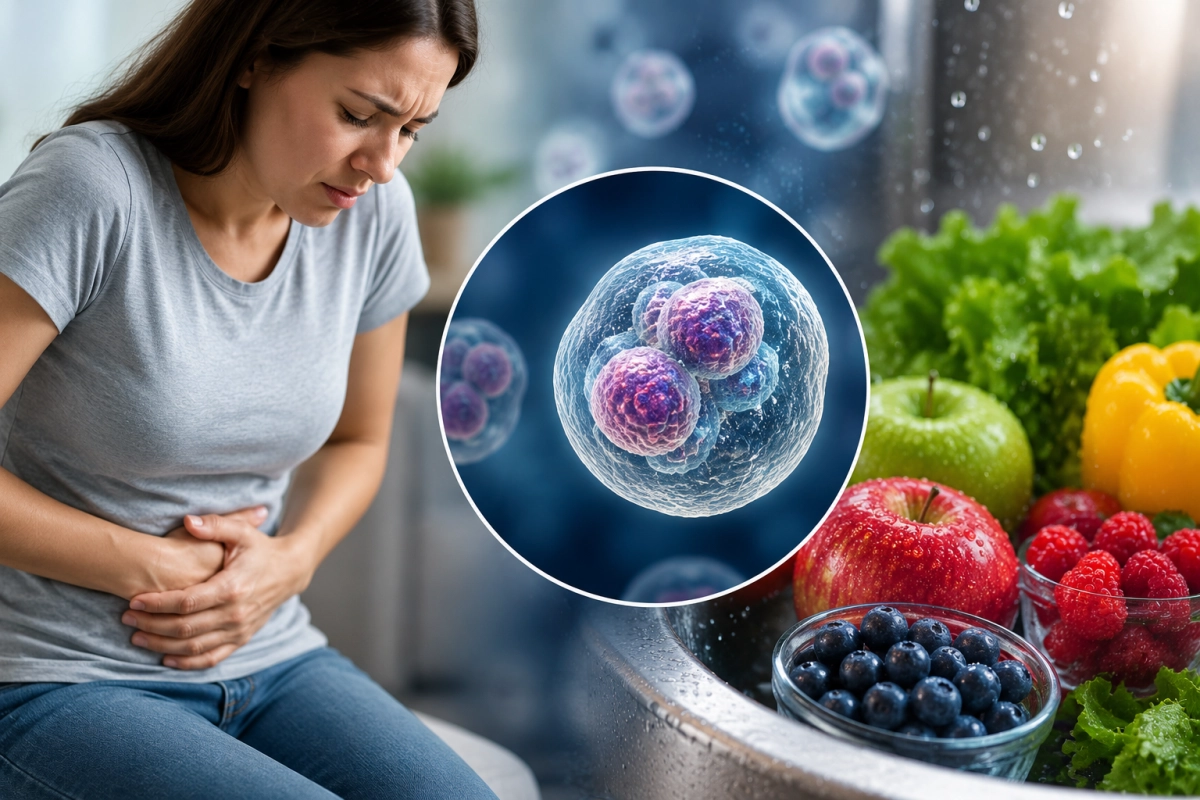

United States health authorities are investigating an outbreak of cyclosporiasis, an intestinal infection caused by the parasite Cyclospora cayetanensis, after confirming 145 cases in 17 states and at least 20 hospitalizations. So far no deaths have been reported and researchers have not yet identified the food responsible for the contagion.
The outbreak drew attention because the affected people had not traveled abroad before becoming ill. According to the Centers for Disease Control and Prevention (CDC), all of them contracted the infection after consuming food in the United States, suggesting a common source of contamination that is still under investigation.
What is cyclosporiasis
Cyclosporiasis is a disease caused by a microscopic parasite that infects the small intestine. It is generally transmitted by consuming water or food contaminated with fecal matter, especially fresh fruits and vegetables that have not been washed or handled properly.
Unlike other microorganisms, it is not usually transmitted directly from one person to another, because the parasite needs to remain in the environment for several days before becoming infectious.
Symptoms that should alert you
Symptoms usually appear approximately one week after infection. The most characteristic is abundant, watery diarrhea, which in some cases can be very intense.
Other common symptoms include abdominal pain or cramps, loss of appetite, nausea, severe fatigue, bloating and gas, and weight loss.
Without treatment, the disease can last several weeks and even recur after apparent improvement.
You can see: The reason why the FDA asks you to clean the refrigerator after a food recall
States with confirmed cases
The CDC reported that the cases are distributed in 17 states, including:
New York has the largest number of confirmed patients so far.
How to reduce risk
While the investigation continues to identify the food linked to the outbreak, the CDC recommends:
Experts remember that many people recover completely, but timely diagnosis and treatment help shorten the disease and prevent complications, especially in children, older adults and people with a weakened immune system.