

Heat-resistant skin: the keys to keeping it hydrated in summer
Prolonged exposure to the sun, air conditioning, and high temperatures cause accelerated water loss through the skin.
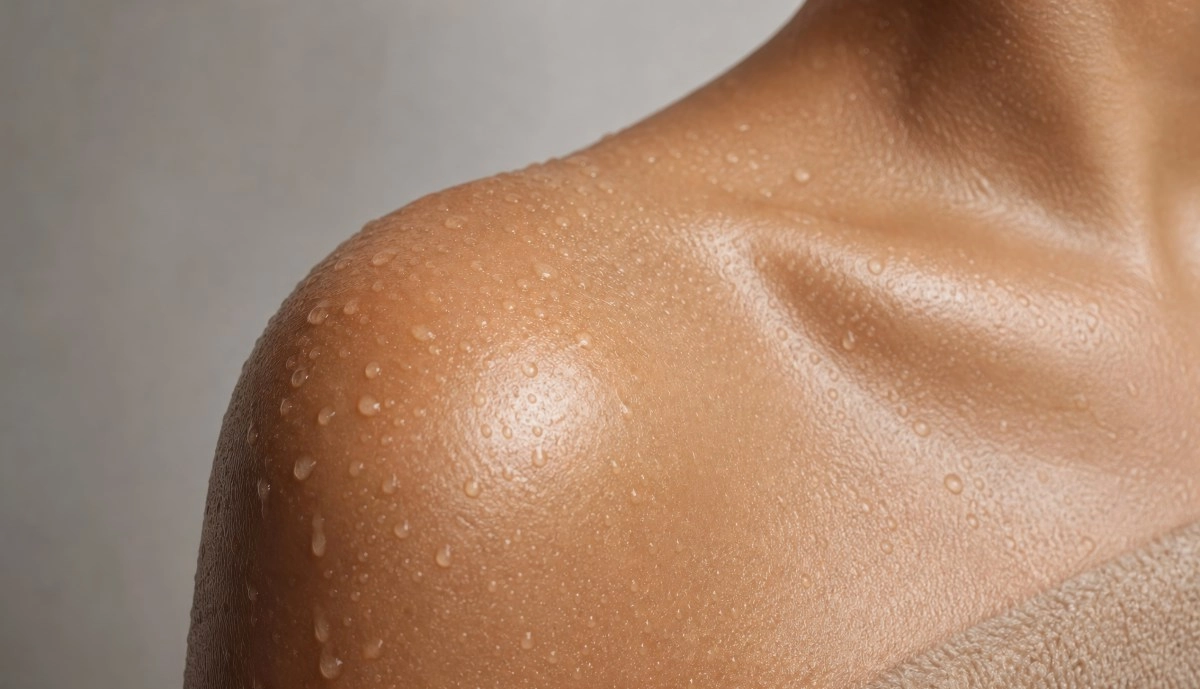

The thermometer rises, the sun beats harder and with it comes one of the most common seasonal challenges: skin dehydration. Dermatologists agree that summer requires a change in routine, not just sunscreen, but complete skin care habits.
Prolonged exposure to the sun, air conditioning, and high temperatures cause accelerated water loss through the skin. Added to this is sweat, which, although it is a natural thermal regulation mechanism, can also carry with it essential minerals to keep the skin barrier in good condition.
“Dehydrated skin is not the same as dry skin,” explain dermatology specialists. While dry skin lacks lipids, dehydrated skin lacks water, and any skin type—even oily—can suffer from this imbalance in the warm months.
Key recommendations for this season
Hydration from within. Drinking enough water throughout the day is still the first step, although not the only one. Fruits and vegetables with high water content, such as watermelon, cucumber or orange, help supplement daily fluid intake.
Change the formula of the moisturizer. In summer, it is advisable to opt for lighter textures, such as gels or emulsions, instead of thick creams that can clog pores. Ingredients such as hyaluronic acid, glycerin or aloe vera are frequent allies to retain water in the superficial layers of the skin.
Sunscreen, every day. Beyond tanning, sunscreen prevents damage to the skin barrier caused by UV radiation, one of the main causes of moisture loss and premature aging.
Avoid very hot showers. Hot water, while tempting, strips the skin of its natural oils. Experts recommend short, warm showers, followed by immediate application of moisturizer, while the skin is still damp.
Do not abuse exfoliants. Exfoliation is useful for renewing the skin, but too much can weaken the skin barrier, just when protection is needed most. Once or twice a week is usually enough.
Use mist or thermal water. These products allow you to refresh and hydrate the skin throughout the day without having to resort to heavy creams, ideal for high humidity climates or after sun exposure.
A routine, not an emergency solution
Specialists insist that hydration should not be limited to days at the beach or pool. Maintaining a constant routine, adapted to summer conditions, is the best way to avoid the visible effects of heat: dull, tight or more sensitive skin.
In short, taking care of your skin in summer does not require large investments, but rather consistency and some simple adjustments that make the difference between radiant skin and skin punished by high temperatures.