

Drug price reduction promises to facilitate access to essential treatments
From a patient's perspective, more affordable prices mean fewer financial barriers and greater ability to obtain medicines
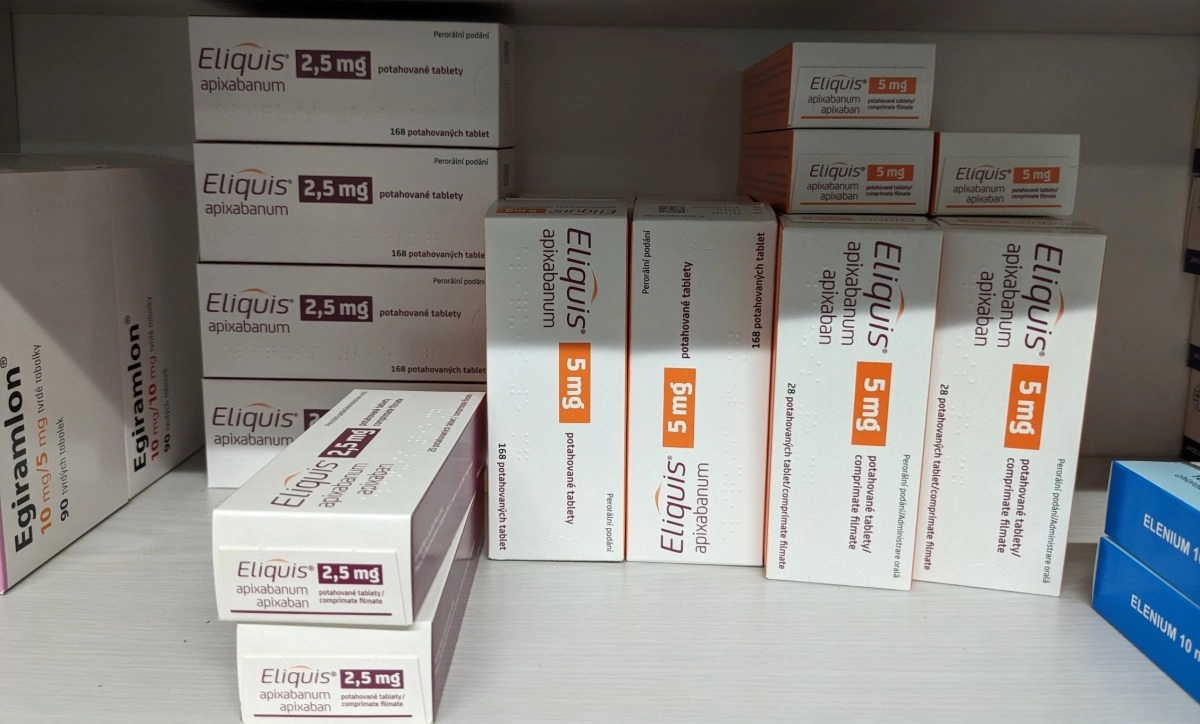

It appears that following the agreement by nine drug manufacturers to reduce the costs of their products under the Medicaid program, aligning them with prices charged in other developed countries, low-income patients will see their financial burden eased.
Drug price reductions can significantly facilitate access to essential treatments, improving both equity and efficiency in health systems.
From the patients' perspective, more affordable prices mean fewer financial barriers and greater ability to obtain the medicines they need for their health conditions.
Impact on Access and Equity
Implementing policies that regulate prices ensures that medicines are more accessible, especially for vulnerable groups and those with limited resources, promoting health equity.
This would help prevent economic factors from determining who can access vital treatments, fostering a fairer system.
Efficiency and Sustainability of the System
Lower prices also contribute to lowering the overall costs of the healthcare system by reducing unnecessary emergency room visits and lowering healthcare resource expenditure.
Furthermore, it fosters competition and innovation in the pharmaceutical sector, enabling the development of more economical and effective alternatives, such as generics and biosimilars. In short, lowering drug prices not only improves accessibility but also helps sustain the financial viability of healthcare systems, benefiting the entire population and making it easier for everyone to access essential treatments. Patients and insurers: Medicaid patients, who currently only pay a nominal co-payment, will be able to benefit from lower prices. However, they may still face significant costs for certain medications.Health economists warn that the long-term impact on drug accessibility is uncertain. Pharmaceutical companies have also pledged to sell drugs through the new TrumpRx platform, which will allow consumers to buy directly from manufacturers. This initiative is expected to facilitate the acquisition of essential medicines.
Donations of Critical Medicines
Bristol Myers Squibb, among other manufacturers, has agreed to donate active pharmaceutical ingredients to a national stockpile.
This action aims to improve health equity and address emergencies, highlighting the social responsibility of pharmaceutical companies.
US Drug Prices Compared to Other Countries
Prescription drug prices in the United States are significantly higher than in many other developed countries, especially for brand-name drugs, although generics are generally cheaper in the US.
Recent studies show that US prices averaged 2.78 times those in 33 countries of the Organisation for Economic Co-operation and Development (OECD) in 2022. This difference is mainly due to the lack of centralized price regulation in the US, unlike collective bargaining systems in Europe. and Canada.
In fact, brand-name drug prices in the U.S. are up to 4.22 times higher than in other countries, after adjustments for discounts. In contrast, unbranded generics cost 33% less in the U.S. than the international average, representing 90% of prescriptions, but only 20% of total spending.
What other measures are needed?
To ensure that all population groups benefit equitably from price reductions, targeted measures are recommended that prioritize the most vulnerable through selective subsidies and complementary policies.
Targeted subsidies. Implementing subsidies aimed at low-income households, such as rebates on the first tier of essential goods (water, energy, or food), limits the benefit to those who need it and promotes responsible use.
Shifting from generalized to targeted subsidies reduces inequalities by concentrating resources on the extremely poor. Inclusive access. Ensuring distribution through mobile clinics, free health days, or subsidized transportation for rural and marginalized urban areas facilitates access to low-priced healthcare for remote groups. Providing financing, inputs, and markets to small producers prevents competition from eroding their profits. Social protection policies, such as vouchers or safety nets,They redistribute profits toward women, youth, and the rural poor.
Education and training. Investing in education, job training, and geographic mobility empowers vulnerable workers to take advantage of low prices and diversify their income. Anti-discrimination and equal opportunity programs remove barriers for marginalized groups. Participatory consultations with beneficiaries ensure that measures reflect real needs, such as in benefit distribution designs.