

New therapy gives hope for survival to patients with bladder cancer
This therapy is an alternative to chemotherapy, which has been the only therapeutic option since the 1960s, and many patients are not candidates.
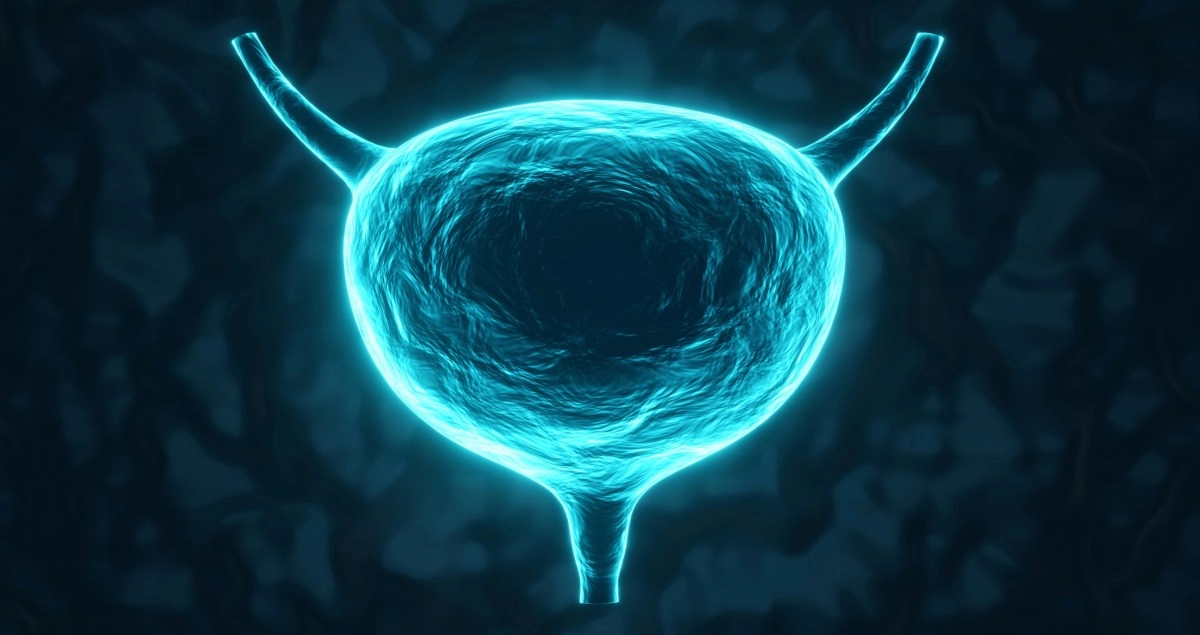

Bladder cancer has become a global concern, with incidence increasing by 2% annually. This phenomenon is related to the aging of the population and genetic damage accumulated over time.
Although chemotherapy has been the only therapeutic option since the 1960s, many patients are not candidates, and their prognosis is dismal. Half of them live between 9 and 14 months after treatment, while those who do not receive chemotherapy have a life expectancy of less than six months, María Teresa Bourlón, head of the Department of Oncology at the Salvador Zubirán National Institute of Medical Sciences and Nutrition (INCMNSZ), in Mexico, told La Jornada.
In this context, a clinical trial was presented at the congress of the American Society of Clinical Oncology that revealed that a new treatment combined with immunotherapy and antibodies has shown significant efficacy, allowing a survival of 3.5 years in 80% of cases, including those not candidates for chemotherapy.
Bourlón participated in the Oncology Forum organized by the pharmaceutical laboratory Pfizer, where he highlighted the importance of clinical study to confront a disease that is increasing and for which there have been no effective therapeutic alternatives.
Importance of early detection
Early diagnosis is crucial, as up to 40% of patients are diagnosed in advanced stages.
Being bladder cancer most common in men, its diagnosis is generally delayed due to previous health conditions in older adults, such as diabetes, high blood pressure, heart and/or kidney damage.
Symptoms such as painful urination and blood in the urine are often dismissed, delaying proper treatment. Knowing the risk factors, such as smoking and exposure to toxic substances, is essential to prevent the disease.
New perspectives in oncology
The introduction of Pembrolizumab, together with Enfortumab vedotin, marks a significant change in the standard of treatment.
With continued research, these advances are expected to improve patients' prognosis, focusing on turning bladder cancer into a manageable chronic condition rather than an immediate death sentence.
Genetic factors that may increase risk
Genetic factors that may increase the risk of developing bladder cancer primarily include changes in specific genes related to chemical detoxification and cell growth control. Among the most important genes are NAT2 and GSTM1, which encode enzymes responsible for metabolizing and eliminating carcinogenic agents (especially those present in tobacco smoke); When these enzymes have reduced function, the person is more sensitive to the effects of cancer-causing chemicals.
There are also the tumor suppressor genes TP53 (or p53) and RB1, whose mutations or acquired changes are essential in the development of bladder cancer, since they allow cells to grow uncontrollably. The oncogenes HRAS, FGFR and RAS are other genes that, when incorrectly activated, promote the proliferation of cancer cells. In addition, the PTEN/MMAC1 gene is involved in regulating cell growth and its alterations increase the risk.
Recent studies have identified three new genetic factors that predispose to bladder cancer, including genes that metabolize tobacco carcinogens and that modify the risk associated with smoking. Other genetic polymorphisms (SNPs) such as CYP17A1, CAT, SOD1, SOD2 and ESR1 have also been significantly associated with an increased risk of bladder cancer.
Although having a family history of bladder cancer is a recognized risk factor, bladder cancer does not tend to run in families, and inherited genetic mutations are not considered the main cause of this disease. Most genetic mutations linked to bladder cancer form during a person's lifetime (acquired mutations) due to exposure to cancer-causing chemicals or radiation, rather than inherited changes.
You may also be interested in:
· Understanding Skin Cancer: Not All Are Equal · HPV Vaccines Allow Timelines for Cervical Cancer Elimination · Experimental Pill Accelerated That Promises New Hope for Deadly Pancreatic Cancer