

Dry January: A challenge that brings significant benefits
A review conducted by Brown University concludes that abstaining from alcohol, even for just one month.
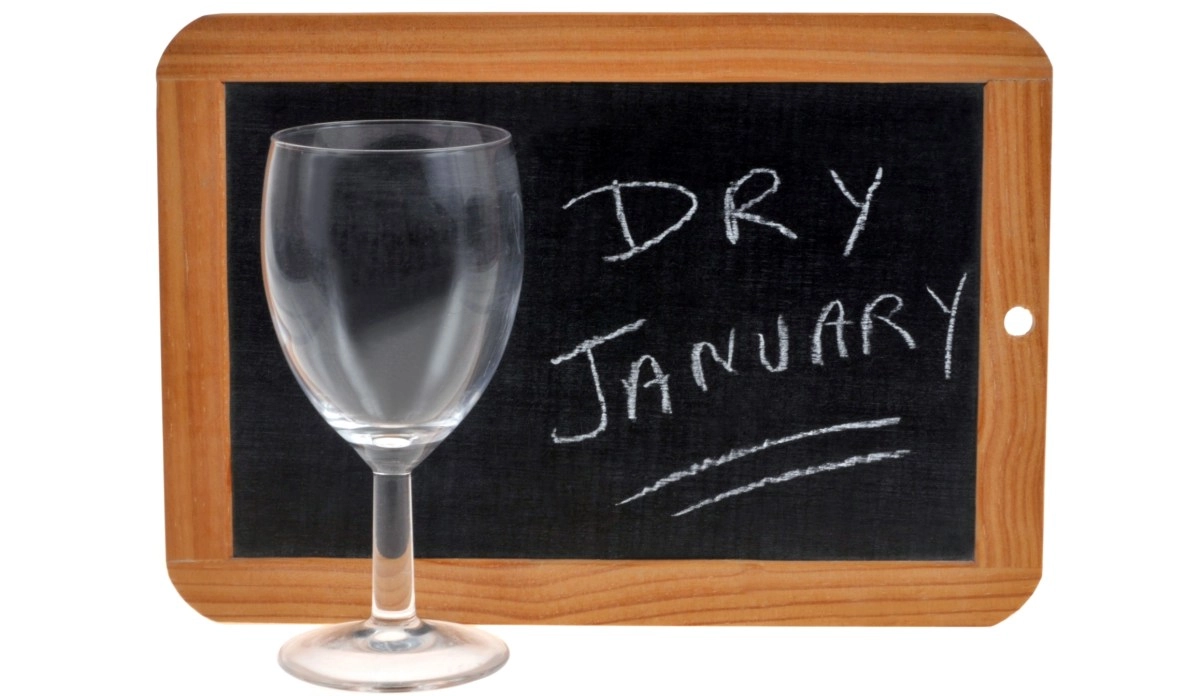

A review conducted by Brown University concludes that abstaining from alcohol, even for just one month, can result in significant improvements in physical and mental health. Participants reported better sleep quality, a more positive mood, and improvements in liver function and blood pressure.
Sixteen studies involving more than 150,000 participants were analyzed. The data indicates that individuals who quit drinking alcohol experienced a reduction in overall consumption and a decreased risk of developing alcohol-related disorders. Furthermore, improvements in well-being were observed even in those who did not abstain completely. Participants reported increased energy and concentration, as well as weight loss. Those who used official "Dry January" tools were more likely to complete the month without alcohol and to continue with healthier habits. The Dry January challenge was popularized by Alcohol Change UK in 2013 and had over 200,000 participants by 2025, according to Newsweek. Although the number of people who quit drinking in January without following the “official” route is likely in the millions, researchers believe.
Changes in Social Perception
Study author Megan Strowger told Newsweek that changing social norms have made an alcohol-free lifestyle more acceptable.
This evolution has been supported by social media influencers who share the benefits of sobriety.
Next Steps in Research
The research team will focus on adapting alcohol reduction strategies for young adults, a high-risk group. Controlled experiments are planned to compare the effectiveness of total abstinence versus moderate reduction in alcohol consumption.
What After Dry January?
Completing a challenge like “Dry January” can lead to positive changes in drinking habits,with many participants reporting a sustained reduction in their daily intake. However, the effects vary from person to person, influenced by factors such as the use of support tools and personal motivation.
Physical improvements. Sleep improves markedly, with more restorative rest patterns and fewer nighttime interruptions. Daily energy increases, along with possible weight loss and improved liver function or blood pressure. Concentration also improves, making everyday tasks easier.
Psychological benefits. Mood is elevated, reducing symptoms of anxiety or depression associated with regular use. Many experience greater mental clarity and overall well-being, which positively impacts work and social relationships. These changes persist for months afterward for most.
Risks of rebound effect. A small percentage, especially those who do not complete the month, increase their consumption afterward, returning to previous or worse patterns. For people with severe addiction, sudden withdrawal can be risky without medical supervision. The population impact is limited without broader societal changes.
Success factors. Using apps like Try Dry or receiving supportive messages doubles the chances of maintaining moderate drinking habits. Younger participants, women, and heavy drinkers tend to benefit the most. The key is to reflect on the reasons for drinking to avoid relapse.