

Experts question testosterone tests for soldiers promoted by Pete Hegseth
Congresswoman Becca Balint says this measure identifies officials who “have strange, intense and homoerotic feelings towards men”
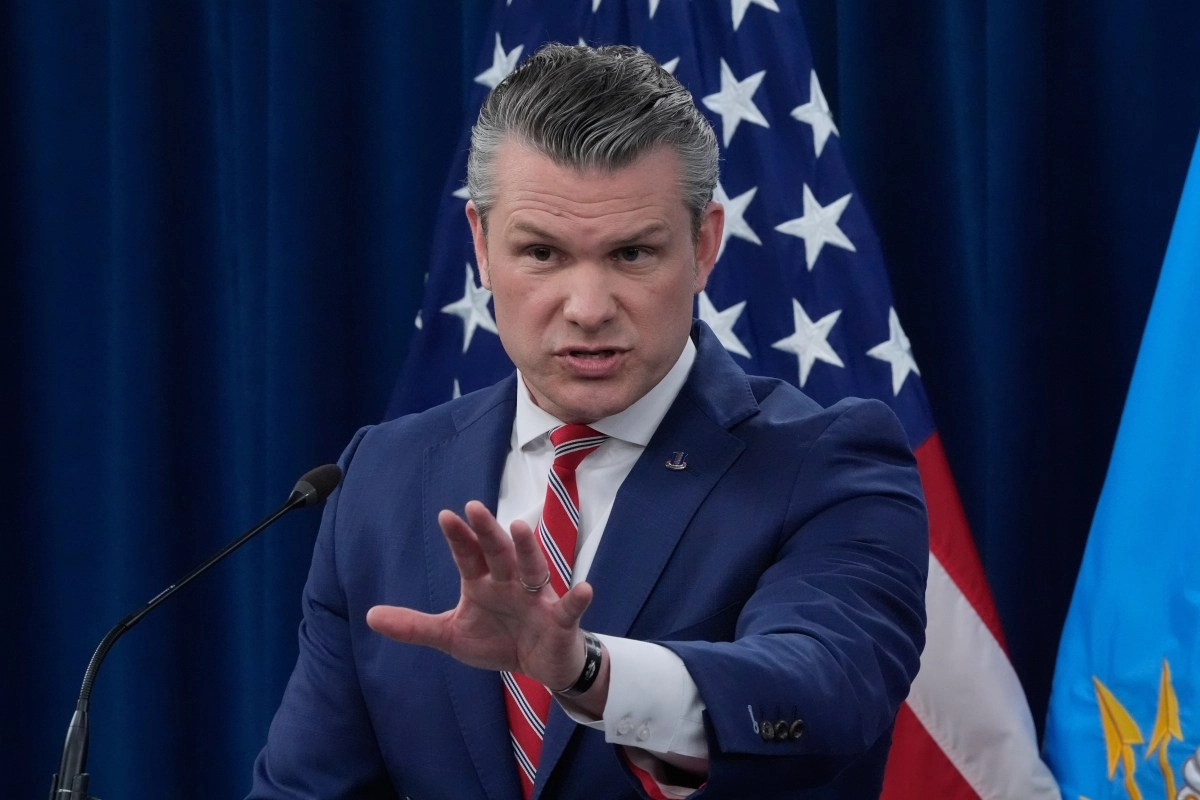

The Secretary of Defense of the United States, Pete Hegseth, opened a new front of debate after announcing that the Pentagon will implement annual tests to detect low levels of testosterone among active duty and reserve military personnel over 30 years of age. The administration maintains that the measure seeks to preserve combat readiness and improve the physical performance of troops, but men's health specialists warn that the available scientific evidence does not support a mass screening program and warn of possible health risks.
The new protocol will be part of the periodic medical evaluations of military personnel. According to Hegseth, those with low levels of testosterone will be able to voluntarily access hormone replacement therapy, with the aim of restoring their physical abilities and strengthening their resistance.
The official assured that the initiative does not aim to artificially improve the performance of soldiers, but rather to optimize their biological condition to face the demands of military service and contribute to their long-term health.
Specialists warn about risks and possible overdiagnosis
Despite the justification of the Department of Defense, doctors consulted by various specialized media consider that there is no conclusive evidence that performing routine examinations on the entire military population over 30 years of age improves the operational capacity of the Armed Forces. Experts such as Derek Griffith, director of the men's health research program at the University of Pennsylvania, maintain that clinical testosterone deficiency affects a small proportion of men and that most active-duty military members are in better physical condition than the general population.
Medical organizations such as the American Urological Association and the Endocrinological Society recommend that testing be performed only when there are symptoms consistent with a hormone deficiency, such as persistent fatigue, decreased sexual desire, loss of muscle mass, or reduced bone density.
Specialists warn that carrying out studies without the presence of symptoms can lead to overdiagnosis and unnecessary treatments. Furthermore, remember that testosterone levels gradually decrease with age and that this reduction, by itself, does not necessarily represent a disease.
The debate extends to the impact on health and fertility
One of the main points of concern is the use of testosterone replacement therapy in young men. Doctors consulted pointed out that the treatment can cause a significant decrease in sperm production and affect fertility, in addition to being associated with side effects such as cardiovascular alterations, arrhythmias, bone fractures, prostate problems, mood changes, acne and alterations in blood composition.
Some specialists consider that, before resorting to hormonal treatment, many cases could improve through lifestyle changes, including better quality of sleep, proper nutrition, stress reduction and body weight control.
The announcement has also generated a political debate. While Hegseth defends that the initiative will strengthen military readiness, Democratic legislators have criticized the Trump administration's approach to issues related to masculinity and question the priority given to this program compared to other health challenges facing the Armed Forces.
So far, the Pentagon has not detailed how it will evaluate test results, what criteria it will use to recommend treatments, or whether the program will be applied equally to men and women. Nor has it presented its own studies showing that universal testosterone screening increases the performance or combat capacity of US military personnel.
Congressman criticizes the Trump administration's “homoerotic feelings towards men”
Vermont Rep. Becca Balint takes aim at Defense Secretary Pete Hegseth's new military testosterone initiative, arguing that the administration's obsession with projecting hypermasculinity deserves comparison to its continued attacks on LGBTQ people.
The congresswoman said she believes there are officials in the Trump administration who “have strange, intense, homoerotic feelings toward men and at the same time are incredibly homophobic, and not just homophobic, but they like to incite hatred and fear about the LGBTQ community.”
He clarified that he was not criticizing homoeroticism itself, adding: "I don't think homoeroticism is the weird part. The weird part is that they pretend it's not about that."