

California faces uncertainty over four-year limit on foreign student visas
The new regulation changes a system in place for decades and forces thousands of university students to rethink their academic plans
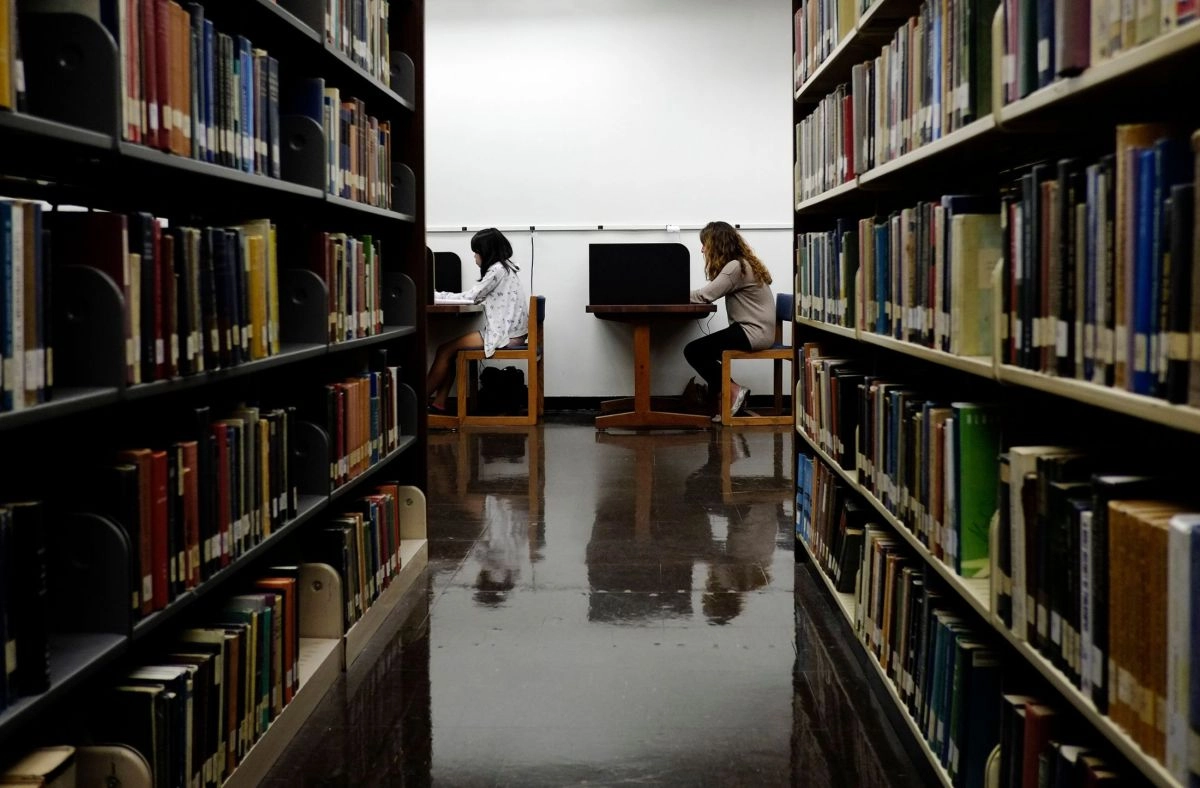

Donald Trump's administration approved a new rule that significantly modifies the visa system for foreign students in the United States. Starting next fall semester, permits will have a maximum duration of four years, regardless of whether the academic program requires more time to complete.
The measure, promoted by the Department of Homeland Security (DHS), ends a policy in force since 1978, which allowed students to remain in the country for the entire duration of their studies, as long as they maintained their immigration status. Now, those who need more time must request an extension with the United States Citizenship and Immigration Services (USCIS), in addition to undergoing biometric reviews and additional verifications.
According to information published by the Los Angeles Times, the change has generated concern in universities in California, the state with the largest number of international students in the country, considering that it could affect both academic planning and the arrival of new foreign talent.
Impact on international students
The new regulation also reduces from 60 to 30 days the grace period for students with an F-1 visa to leave the United States, change institutions or modify their immigration status once they have completed their studies. Additionally, time spent in the Optional Practical Training (OPT) program — which allows you to work temporarily after graduation — will also count toward the four-year limit.
According to the Institute of International Education, enrollment of new international students fell 17% during the fall of 2025. California has around 140,000 foreign students, while the University of California (UC) is home to approximately 34,500 and the University of Southern California (USC) about 12,000.
Rachel Zaentz, UC spokesperson, stated that the institution is “deeply concerned” because the measure modifies a model that for decades allowed students and researchers to complete their programs and contribute to the country's innovation.
Students fear delays and uncertainty
The US government argued that the reform seeks to strengthen immigration controls. In the statement, DHS noted that the rule “restores the integrity of the immigration system” by establishing clear limits on student visas.
For his part, the Secretary of Homeland Security, Markwayne Mullin, assured that for years some students extended their stay indefinitely through new academic enrollments. “This final rule ensures that foreign students focus on completing their studies and returning home,” he said.
However, specialists and universities warn that the change could further complicate immigration procedures. The American Immigration Council estimates that USCIS had more than 11.65 million pending cases at the end of 2025, with average resolution times of more than one year.
Students consulted by the aforementioned media pointed out that the new policy generates uncertainty, especially among those who planned to pursue master's degrees, doctorates or extend their stay for academic or health reasons.