

Mark Carney confirms opening of the Gordie Howe Bridge between Canada and the US after years of controversy
The Windsor-Detroit corridor channels approximately a quarter of total merchandise trade between Canada and the United States
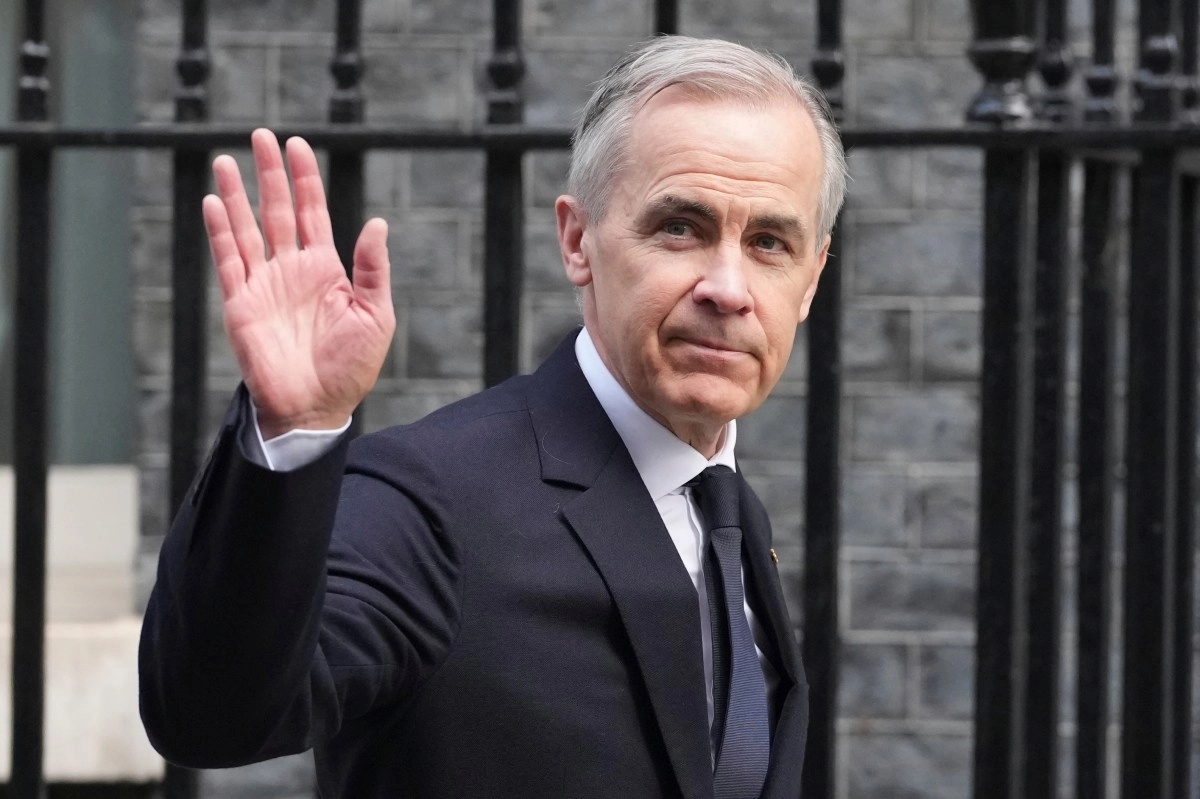

Canadian Prime Minister Mark Carney confirmed this Tuesday that the Gordie Howe International Bridge, one of the most important border infrastructure projects in North America, will open to traffic later this week, ending years of delays, legal disputes and political controversies.
“The bridge will be open at the end of the week,” Carney declared during an appearance in Ottawa, where he described the inauguration as “good news” for both countries.
The president added that it is "a symbol, but also a fact about the cooperation between our countries. It is phenomenal for Canadians and Americans who cross the border, as well as for trade."
The Gordie Howe Bridge connects the cities of Windsor, in the Canadian province of Ontario, and Detroit, in the state of Michigan, across the Detroit River. With an approximate length of 2.5 kilometers, six traffic lanes and a cost close to $4.7 billion dollars, the infrastructure is designed to strengthen one of the most relevant commercial corridors on the continent.
The controversy took on a political overtone this year when Donald Trump publicly expressed his opposition to the inauguration of the bridge in the midst of trade negotiations with Canada.
In a post on Truth Social he wrote: “I will not allow this bridge to open until the United States receives full compensation for everything we have given it and, furthermore, until Canada treats the United States with the justice and respect we deserve.”
Additionally, the Moroun family, which owns the Ambassador Bridge through the Detroit International Bridge Company, opposed construction of the Gordie Howe Bridge for years through lawsuits and regulatory objections, citing economic and feasibility concerns.
However, Canadian authorities and analysts have maintained that the main motivation was to protect the monopoly and toll revenues of the Ambassador, which since 1929 had been the only vehicular crossing between Windsor and Detroit.
The new bridge is estimated to absorb a significant portion of that traffic, significantly reducing the Ambassador's share of one of North America's most important commercial corridors.