

Secretary of the Navy is dismissed after months of disputes in the Pentagon and amid the war against Iran
According to administration sources cited by national media, the decision was supported by both Donald Trump and the Secretary of Defense
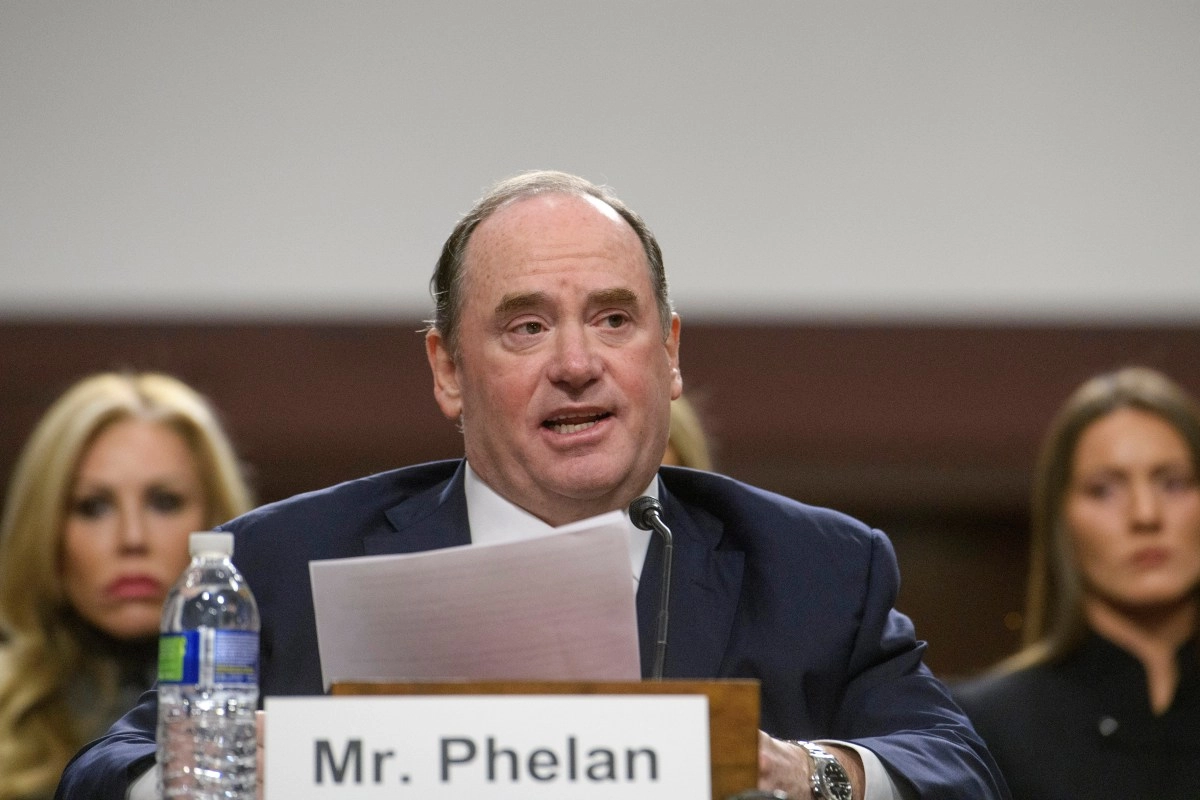

Secretary of the Navy John Phelan was dismissed from his post on Wednesday with immediate effect, amid internal tensions within the Pentagon and in a context of growing military pressure due to the conflict with Iran.
The departure was confirmed by Defense Department spokesperson Sean Parnell, who publicly thanked Phelan for his service, without detailing the reasons for the decision. “On behalf of the Secretary of War and the Under Secretary, we thank Secretary Phelan for his service leading the Navy,” he said in a message posted on social media. According to administration sources cited by national media, the decision was supported by both President Donald Trump and Defense Secretary Pete Hegseth, who considered a change in leadership necessary at the naval institution. Under Secretary Hung Cao will assume the position on an interim basis. Internal Disputes and Reconfiguration at Defense The dismissal comes after months of reports about disagreements between Phelan and senior Pentagon officials, including Hegseth and Under Secretary of Defense Stephen Feinberg. Although the Secretary of the Navy does not direct combat operations, his role is key in resource management, strategic planning, and technological development of the naval forces. The change is also part of a series of broader moves within the Department of Defense. In recent weeks, Hegseth has removed several high-ranking military officials, including Army chiefs and senior officers from various branches, in what analysts interpret as an attempt to consolidate his team and align the military leadership with the current administration's agenda. Among the dismissed officials are generals and admirals with experience in previous administrations, who have drawn criticism for a possible politicization of the armed forces.
Context of tension with Iran
Phelan's departure comes at a delicate moment for US foreign policy. The Navy maintains a naval blockade of Iran, within the framework of a fragile ceasefire. In recent days, US forces have intercepted vessels in the Strait of Hormuz,an action that Tehran has described as a violation of existing agreements.
The White House, however, has defended the operation, asserting that the actions have targeted vessels considered international and that the blockade has been effective in containing activities deemed hostile.
During his tenure, Phelan promoted initiatives aligned with the Trump administration's vision, such as the announcement of a new class of battleships and controversial decisions regarding internal discipline.
However, his profile as a businessman with no prior military experience was also questioned since his appointment in 2015.
To date, Phelan has not issued any public statements regarding his dismissal. It is also unclear whether he chose to resign or was removed directly, although reports indicate he was given the option of choosing between the two.
His departure marks the first dismissal of a secretary of a military branch in the current administration and reflects the tensions facing the defense establishment in a complex international context.