

Trump confirms new attacks on Iran and asks allies to retake the Strait of Hormuz
In a triumphalist tone, Donald Trump asserts that the intervention has been
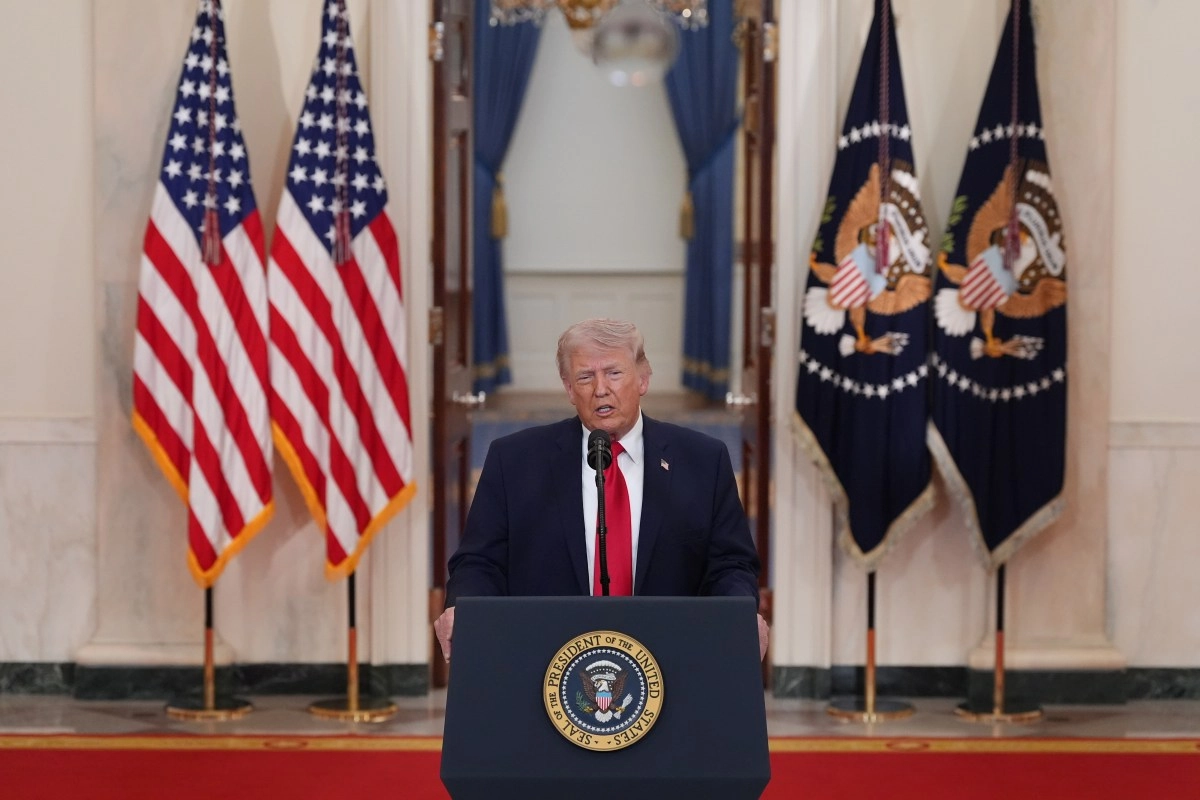

In a prime-time address to the nation, Donald Trump confirmed the continuation of military attacks against Iran and asserted that his administration is close to achieving the main strategic objectives of the conflict, which began on February 28.
In his speech, he stated that the operations have achieved "swift, decisive, and overwhelming victories" and that Iran's military capabilities have been severely degraded.
Trump maintained that the “major strategic objectives”—destroying missile production, weakening the Iranian navy, and preventing Tehran from obtaining nuclear weapons—are “nearly complete.”
He also asserted that “Iran has been virtually decimated,” while defending the offensive as a necessary action in the face of what he described as an imminent threat.
“Soon they would have had missiles capable of reaching American soil, Europe, and virtually anywhere else on the planet,” he declared.
In the same speech, Trump insisted that control of the Strait of Hormuz will be key in the final phase of the conflict. He stated that, after the war, it “will open naturally” due to Iran's need to export oil to rebuild. However, he also called on other countries to take a more active role: “They must take ownership of it and look after it,” he said, suggesting a shared responsibility to ensure the global energy flow. Furthermore, Trump blamed Iran for the rise in gasoline prices in the United States: “This short-term increase is solely due to terrorist attacks… against commercial oil tankers,” he stated. However, uncertainty in energy markets continues, with fears of prolonged disruptions to global supply. Despite the president's triumphalist tone, the war has drawn criticism both internationally and within the United States. A recent AP-NORC poll revealed that six out of ten Americans believe the military actions have gone too far. Moreover,European allies have shown reluctance to become directly involved in opening the strait, reflecting tensions within the Western coalition.