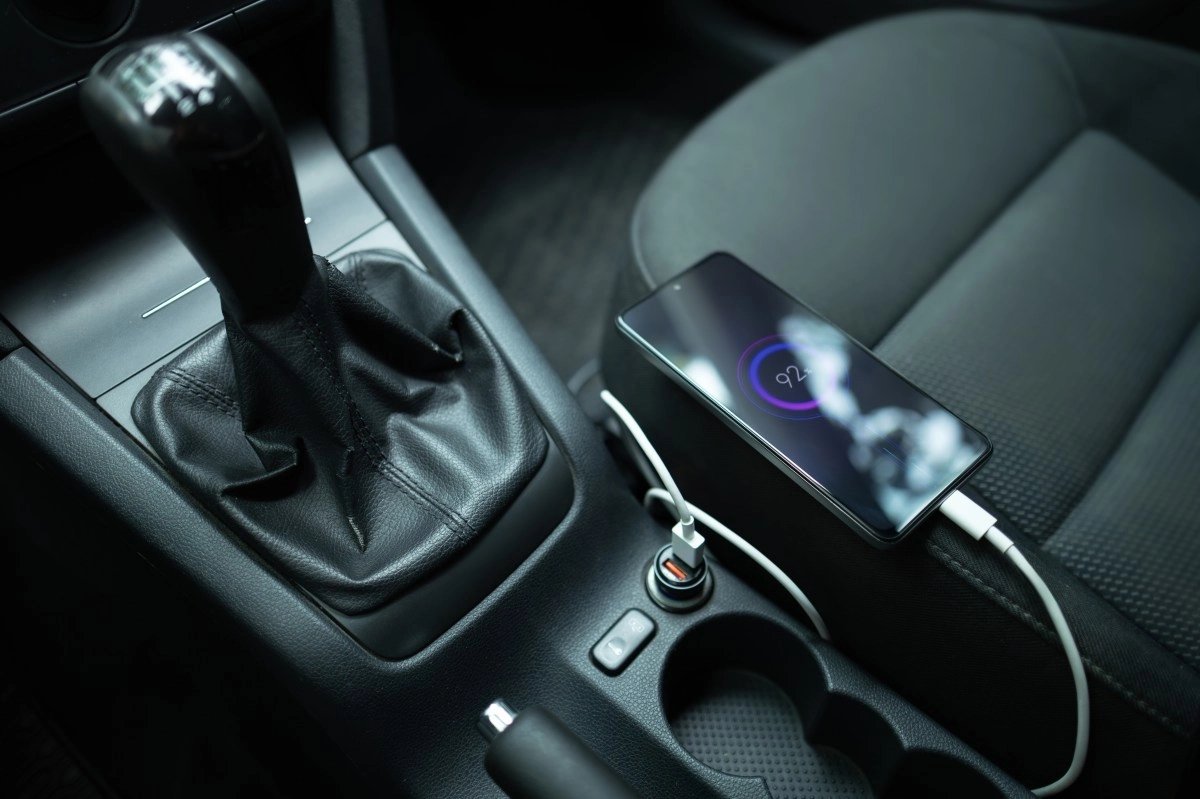

We've all done it. You're in the car, the phone battery is at 10% and the first thing you do is connect it to the charger you have in the glove compartment, the one you bought for a few dollars at any convenience store. Seems harmless, right? Well, reality has nuances that are worth knowing before they become a real problem.
The truth is that charging your phone in the car is not inherently dangerous, but the story changes completely when the charger you use is of low quality or does not have the minimum safety certifications. It's not about scaremongering, but about understanding what's going on inside that little adapter every time you plug it into your vehicle's cigarette lighter.
Why a generic charger can become a time bomb
The key to everything is in the internal electronics. A reliable, certified charger takes the 12-volt current from the car's electrical system and converts it into the stable, regulated power your phone's battery needs. A low-quality generic charger, on the other hand, may not regulate that current properly, causing voltage fluctuations that stress the device's lithium battery.
Lithium batteries are extremely sensitive to overcurrent. When they receive more current than they can handle, their internal temperature rises uncontrollably. This process is called “thermal runaway,” and in the worst cases it can lead to smoke, fire, or, yes, an explosion.
Generic chargers do not have basic protections against overloads or short circuits, which are exactly the safeguards that stop this process before it becomes irreversible. Organizations such as Profeco in Mexico have publicly warned about these risks, pointing out that the low quality of the components can cause the charger to not regulate the current well and even cause explosions.
That said, having your phone literally explode while charging in the car is not something that happens often. What does happen much more regularly is progressive and invisible damage to the battery, which over time translates into less autonomy, constant overheating and a significantly shorter device life.
The silent danger that no one mentions when charging from the car USB
There is another risk that goes beyond heat or explosions, and that has to do with the USB ports directly integrated into the vehicle's dashboard. When you connect your phone to the car's USB, it's not just power that's passing through: data can also be transferred. Modern infotainment systems have access to file directories, contacts, and device metadata as soon as that connection is established.
For this there are simple solutions. Using a cigarette lighter adapter with intelligent voltage regulation is the safest and most direct option, since the cigarette lighter socket operates at 12V and supports up to 120W, more than enough for any current fast charging protocol. There are also so-called “data blockers” or USB condoms, small adapters that physically cut the data transfer pins and only allow the charging current to pass through. They are cheap and can save a lot of headaches.
How to choose a car charger that is truly safe
You don't have to abandon the habit of loading the car, but do it intelligently. The first criterion you should evaluate is whether the charger has recognized certifications such as UL, CE or MFi (in the case of iPhone products). These certifications are not a bureaucratic whim; indicate that the product passed actual electrical safety tests.
Next comes compatibility. A good car charger should support your specific device's charging protocol, whether it's USB Power Delivery (USB-PD), Qualcomm Quick Charge, or another standard. Using a charger that is incompatible with your phone's protocol not only charges slower, but can force the battery to operate outside of its normal parameters.
You should also look for models that include built-in protection against overheating, short circuit, and reverse polarity. These features are not exclusive to more expensive chargers; There are options from well-known brands in affordable price ranges that include them. Brands such as Anker, Belkin or accessories certified by the manufacturer of your phone are reliable references that meet minimum safety standards.
The cheapest generic charger on the market may work well for weeks or months, but it's a gamble that doesn't always pay off. The difference between investing a few more dollars in a certified charger and using one of dubious origin can literally be the difference between a smooth ride and an electrical incident inside the cabin of your car.