

Your boss could read your messages on Android: this is how the new Google feature works
Google adds a feature to Android that allows your company to access your phone messages even if they have been deleted
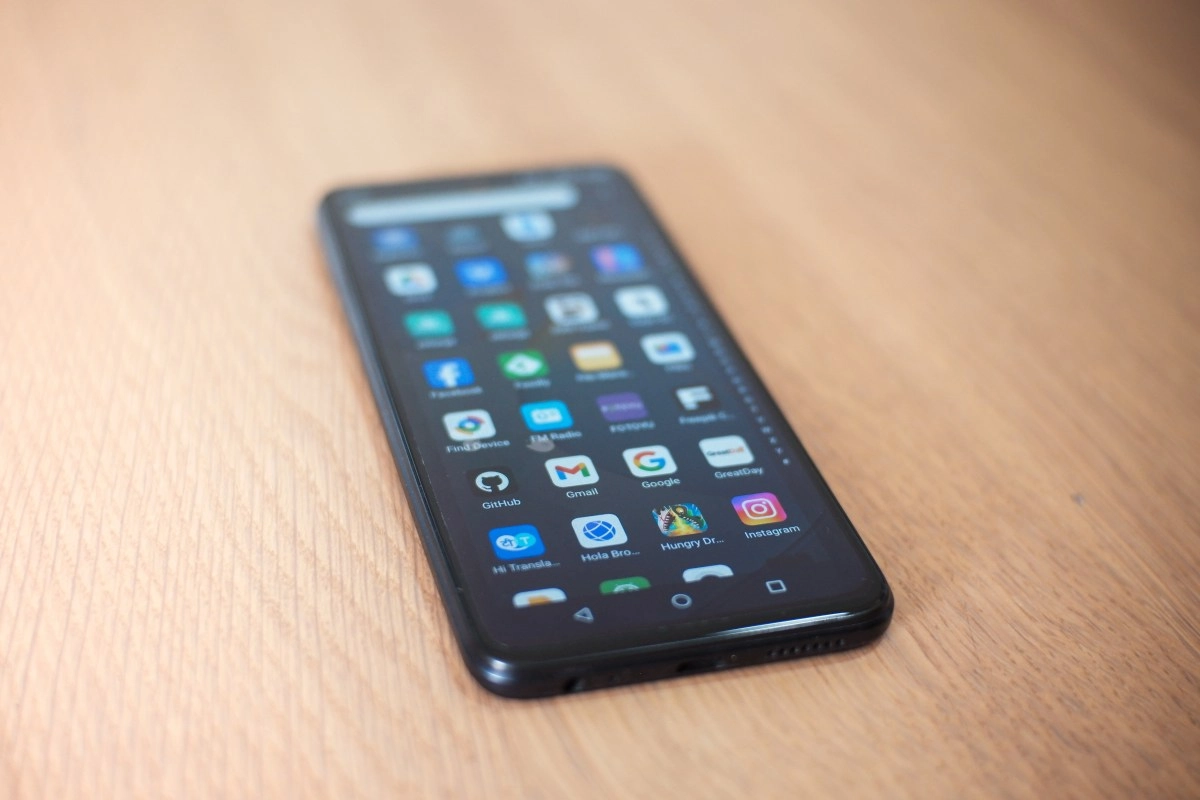

Google added a feature to Android called Android RCS Archival that allows companies to intercept and archive all SMS, MMS, and RCS messages you send and receive on company-managed work phones, even those you later edit or delete.
This doesn't affect your personal phone or phones where you only have a separate work profile, but if you use a "corporate" phone with Google Messages, your boss could review your chats for compliance reasons.
What exactly is this new Android feature?
Google is activating a system option called Android RCS Archival on Pixel and other Android Enterprise devices, designed for companies that provide work phones to their employees. The idea is to allow third-party archiving apps to connect directly to Google Messages to capture text conversations that pass through the app on those devices.
The change attempts to solve an existing problem: in regulated sectors (finance, insurance, healthcare, government, etc.) companies are required to keep a record of their employees' communications, and until now, many could only archive SMS at the carrier level, leaving out encrypted RCS messages.
With this update, Google offers an "official" mechanism for companies to continue using the modern advantages of RCS (multimedia, typing indicators, read receipts) without giving up mandatory archiving. How your boss can read your messages: In practice, this is how it works: if your company provides you with a fully managed Android phone that uses Google Messages, the administrator can install a compatible archiving app—such as Celltrust, Smarsh, or 3rd Eye—that integrates with the system and captures all sent and received messages. This capture includes SMS, MMS, and RCS messages, and also covers messages you edit or delete afterwards, because they are archived the moment they pass through the app. A key detail: RCS's end-to-end encryption doesn't protect you in this scenario. Encryption protects the message in transit, but once decrypted on your phone,the archiving app—with system permissions on a managed device—can read and save the content before you even think about deleting it. That's why the Forbes article emphasizes that, on a work phone, texts cease to be "private" in the sense that many users understood it. Google assures that employees will see a clear notification when the archiving feature is active on their device, which, in theory, prevents all this from happening secretly. Furthermore, the archiving process is done on the device itself and doesn't break the cloud encryption model, but from your perspective as a user, the result is the same: the company can review your text conversations on your work phone.
What it means for your privacy and what you can do
The first thing you need to understand is the actual scope: this feature only applies to company-owned phones managed as work devices, not your "normal" personal phone. Media outlets and analysts clarify that personal phones or those that only use a separate "work profile" are not included in this archiving program because the company doesn't have the same level of control over the entire device.
Even so, the cultural impact is significant: many people perceived text messages as more informal and intimate than corporate email, especially since Google added end-to-end encryption to RCS in Google Messages. With Android RCS Archival on a corporate phone, you should assume that your text messages behave the same as work email: they can be logged, reviewed, and used in audits, internal investigations, or legal proceedings.
Some key points users should keep in mind:
Ultimately, Google argues that this new feature doesn't change the "real" privacy of work devices in regulated sectors, because those communications should already be archived in some way. What does change is the perception of the average user, who now learns that the nice encryption on the screen doesn't mean their boss can't read their messages if the phone belongs to the company.
For anyone who lives connected to their mobile phone, the message is clear: if you want truly private conversations, don't have them on a phone that isn't yours. And if the phone you use to chat belongs to your organization, act as if every message you send could end up in your boss's hands.