

17 Americans from MV Hondius cruise repatriated due to hantavirus outbreak; one tested positive and another presents mil
They will be transferred to medical centers in Nebraska for monitoring, WHO recommends quarantine
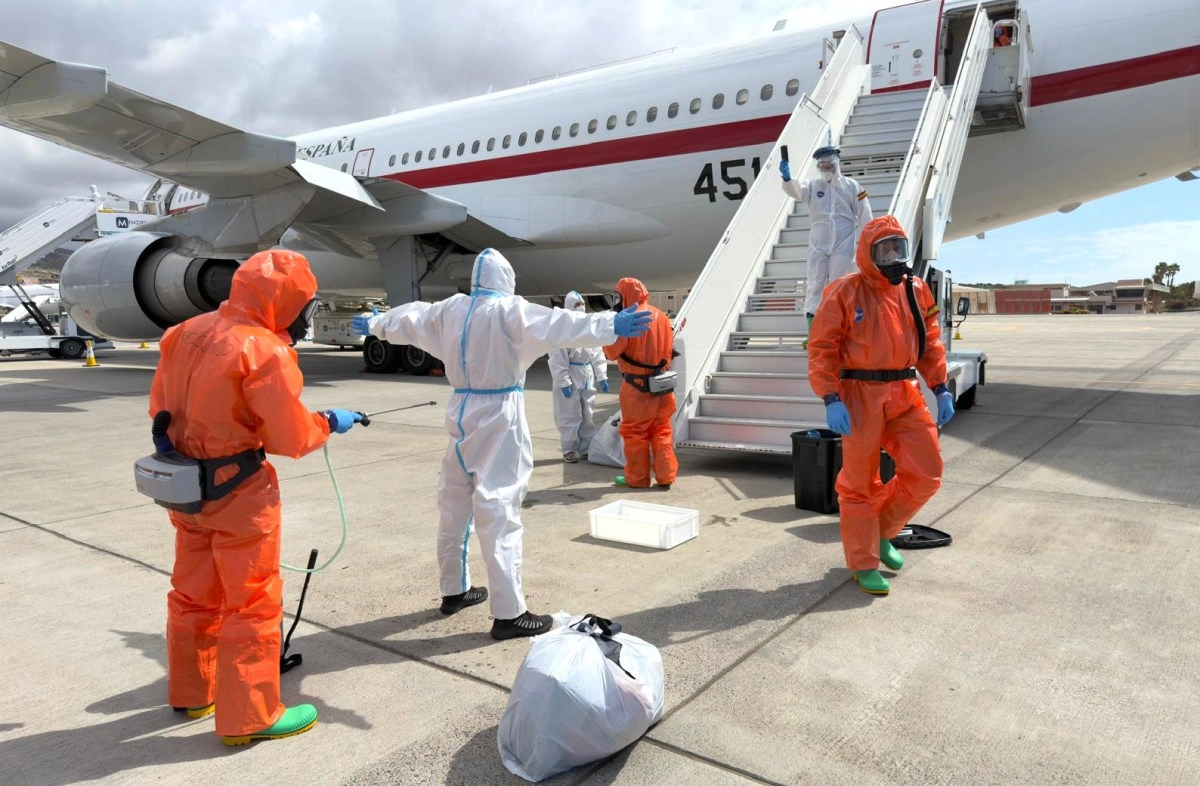

The government of President Trump launched a repatriation operation for 17 U.S. citizens who were evacuated from the MV Hondius cruise, after an Andean variant hantavirus outbreak that forced international transfers and medical containment measures.
The Department of Health of the United States confirmed on Sunday May 10 that passengers are already traveling on a special air transport to the country, where they will be cared for under biosafety protocols in specialized medical centers.
Two passengers travel in biocontainment units
During the air transfer, two of 17 Americans were placed in biocontainment units within the aircraft as a preventive measure.
One American with mild symptoms and another tested positive for hantavirus
The health authorities reported that one of the passengers presents mild symptoms related to the virus, while another tested positive in a PCR test for Andean hantavirus, also with a mild pain.
The rest of the group travels under medical surveillance while clinical monitoring is maintained on the journey to U.S. territory.
Medical care in specialized centers in Nebraska
Upon arrival in the United States, passengers will be transferred to the Regional Emerging Special Pathogens Treatment Center (RESPTC), located at the Medical Center of the University of Nebraska in Omaha.
There an individual clinical evaluation will be performed to determine the health status of each person and define the corresponding medical follow-up.
Subsequently, the passenger with mild symptoms will be referred to a second specialized facility within the same medical care system for continued observation.
Outbreak on MV Hondius cruise ship detonated international evacuation
The repatriation of U.S. citizens is part of an international operation derived from the hantavirus outbreak recorded on the MV Hondius cruise ship, which forced the evacuation of passengers of multiple nationalities from Tenerife, in the Canary Islands.
The ship had been identified as a point of exposure to the Andean variant of the virus, a strain that is transmitted mainly by contact with rodent droppings, although in rare cases transmission can occur between people.
WHO recommendations
The World Health Organization(WHO) recommended that all passengers and crew on MV Hondius be treated as high-risk contacts due to uncertainty about exposures within the ship.
Maria Van Kerkhove, responsible for health emergencies at WHO, pointed out that countries should apply active monitoring du rant a period of up to 42 days, with daily health checks and possible home isolations or in medical centers.