

The US seeks to remove citizenship from Manuel Rocha, former ambassador convicted of espionage in favor of Cuba
The case is part of an offensive by the Department of Justice to revoke the citizenship of people accused of espionage, terrorism and other serious crimes
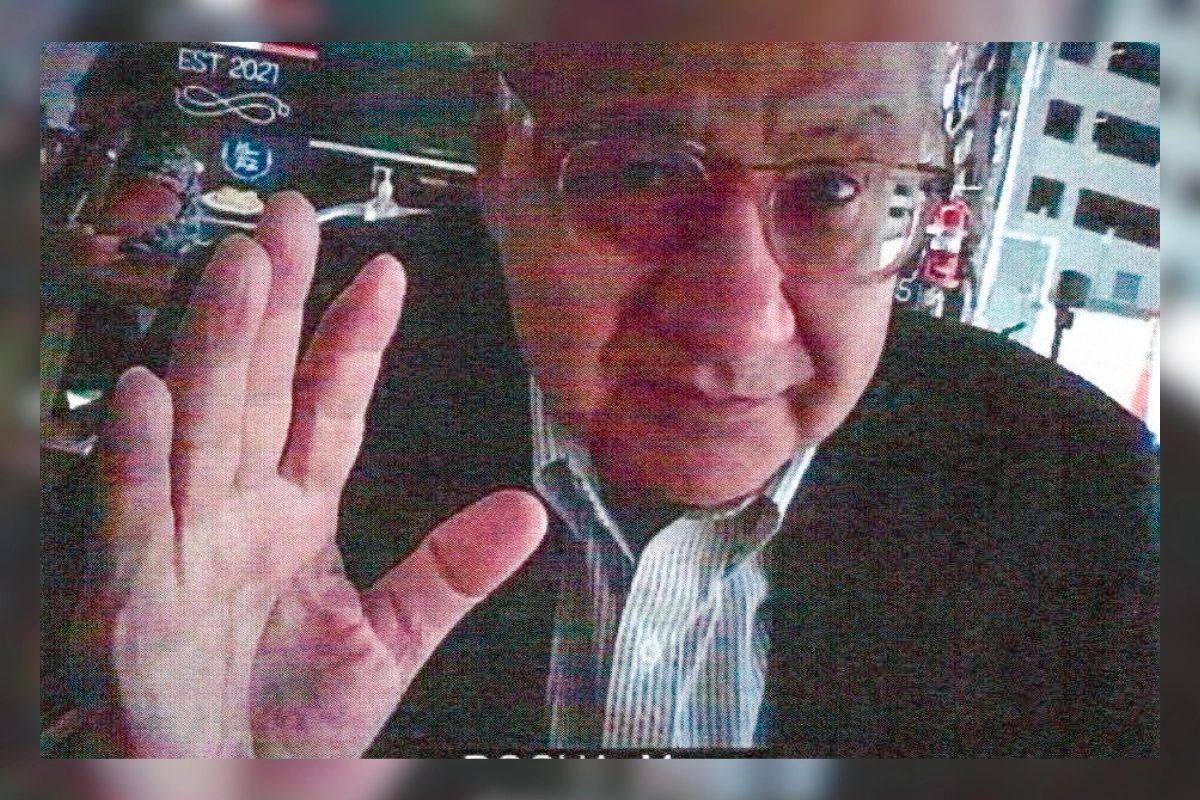

The government of the United States initiated the process to remove the citizenship of Víctor Manuel Rocha, the former ambassador, convicted of spying for Cuba for decades while he held high-level positions in the U.S. government.
The civil lawsuit was filed in a Miami court by federal prosecutors, who maintain that Rocha obtained his naturalization by false statements and hiding links to the Cuban Communist Party.
What the Prosecution argues against the ex-diplomat
According to the complaint, Rocha denied having participated in criminal activities and swore loyalty to the United States during his immigration process between 1977 and 1989, despite the fact that he already maintained alleged links with the Cuban government.
Prosecutors claim that the former diplomat began collaborating with Cuban intelligence services in 1973, five years before completing his US citizenship.
“Víctor Manuel Rocha was not a low level operator,” said federal attorney Jason A. Reding Quiñones, who qualified the former ambassador as “one of the most prolific Cuban spies discovered in the United States.”
From university to official of the Department of State
Rocha was born in Colombia and moved to New York when he was 10 years old with his mother and siblings.
The investigation maintains that he had contact with Cuban operatives while participating in a student program in Chile during the government of Salvador A llende. Later he studied in public administration at Harvard University and did postgraduate degrees in international relations at Georgetown.
According to the judicial document, Rocha would have followed instructions from Havana to enter the US foreign service and advance activities in favor of Cuba.
He held diplomatic and national security positions
After naturalization in 1981, he began working in the Department of State as a diplomatic officer focused on Honduras and was later assigned to the Dominican Republic.
Over the years he held high-level positions, including roles in the National Security Council between 1994 and 1995 and the position of ambassador of the United States to Bolivia between 2000 and 2002.
He also performed diplomatic functions in Argentina and Mexico.
How the espionage case was discovered
The criminal case came to light in 2023 after an FBI investigation that included an undercover agent posing as a representative of Cuban intelligence.
During those recorded conversations, Rocha would have talked about his work for Cuba for “more than 40 years” and referred to Fidel Castro as “commander”.
In 2024 he pleaded guilty to conspiring to act as agent of a foreign government and to defraud the United States, which led to a 15-year prison sentence.
He is currently serving sentence in the federal prison FCI Coleman, in Florida.
Trump seeks to withdraw all citizenship documents
The Donald Trump administration now maintains that Rocha should never have been eligible to become a U.S. citizen due to his alleged affiliations with the Cuban regime.
The complaint seeks that a court approves the denaturalization of the former ambassador and orders the surrender of passports and documents linked to his citizenship.
US increases processes to withdraw citizenship
The Department of Justice has in recent years in cases of citizenship revocation related to terrorism, espionage and threats to national security.
This week, the Trump administration initiated similar proceedings against 11 other individuals accused of crimes such as child sexual abuse and material support to terrorist groups.
Doubts persist about the scope of espionage
Although Rocha has been convicted, U.S. authorities continue to investigate what kind of information he may have delivered to Cuba over decades within the U.S. diplomatic and security apparatus.
Reports cited in the investigation indicate that since 1987 there have been suspicions that Fidel Castro had a “supermole” infiltrated in the U.S. government, and some officials believed it could be Rocha.
During the first months of incarceration, the former diplomat was interrogated by federal authorities, although it has not been publicly informed what additional data he would have provided.