
Introduction
Pakistan’s political landscape has been profoundly shaped by its military’s involvement in governance. From direct military rule to subtle influences over civilian governments, the military’s role has been pivotal. This article delves into the historical context of Pakistan’s military dictatorship, examines the current political scenario under General Asim Munir’s leadership, and assesses the challenges faced by civilian leaders like Prime Minister Shehbaz Sharif.
Historical Context: Military Dictatorship in Pakistan
Since its inception, Pakistan has experienced several military coups. The first significant intervention occurred in 1958 when General Ayub Khan imposed martial law, marking the beginning of direct military rule. Subsequent coups in 1977 and 1999 by Generals Zia-ul-Haq and Pervez Musharraf further entrenched the military’s dominance in political affairs. These periods were characterized by authoritarian governance, suppression of political dissent, and a focus on military interests over democratic principles.
The Rise of General Asim Munir
General Asim Munir’s appointment as the Chief of Army Staff in 2022 marked a significant development in Pakistan’s military-political dynamics. Munir, known for his assertive stance, has been perceived by many as a figure who could potentially steer the country back towards military dominance. His leadership style and decisions have sparked debates about the future of democratic governance in Pakistan.
Prime Minister Shehbaz Sharif's Challenges
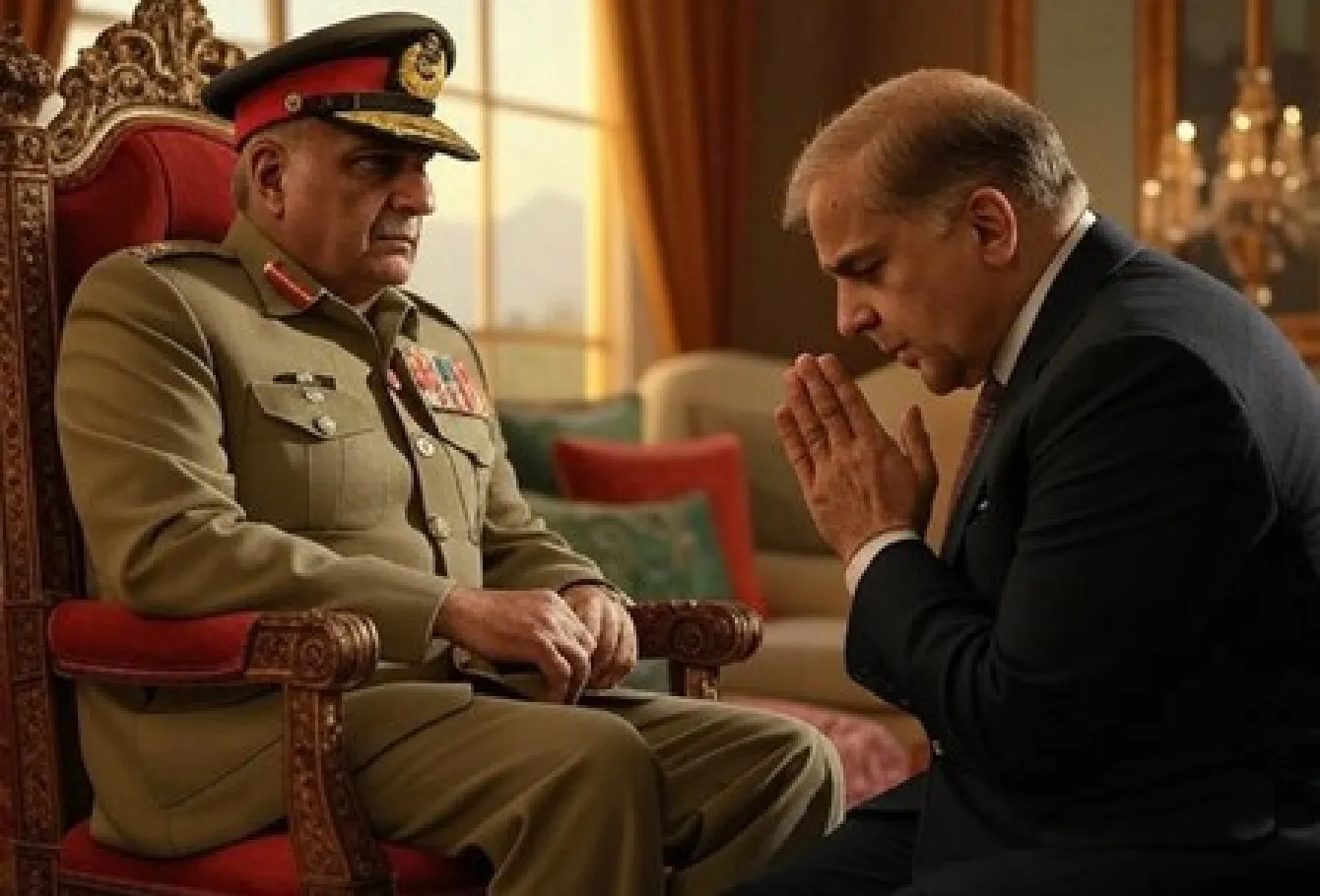
Prime Minister Shehbaz Sharif’s tenure has been marked by efforts to stabilize Pakistan’s economy and restore democratic norms. However, his administration faces significant challenges due to the military’s pervasive influence. The tension between civilian authority and military power has led to a complex political environment, with Sharif navigating a delicate balance to maintain governance and address national issues.
Implications for Democratic Governance
The ongoing tug-of-war between Pakistan’s military and civilian leadership poses serious implications for the country’s democratic institutions. The military’s historical precedence in governance has often undermined democratic processes, leading to cycles of instability. The current political scenario reflects these challenges, with the military’s role in politics remaining a contentious issue.
Pakistan’s journey from military dictatorship to democratic struggles underscores the complexities of its political evolution. The interplay between military influence and civilian governance continues to shape the nation’s political landscape. As Pakistan moves forward, the resolution of this tension will be crucial in determining the future of its democracy.