

The Supreme Court has agreed to consider whether most of Trump tariffs are legal
The Supreme Court has agreed to quickly consider the legality of most of Trump tariffs in a major economic case
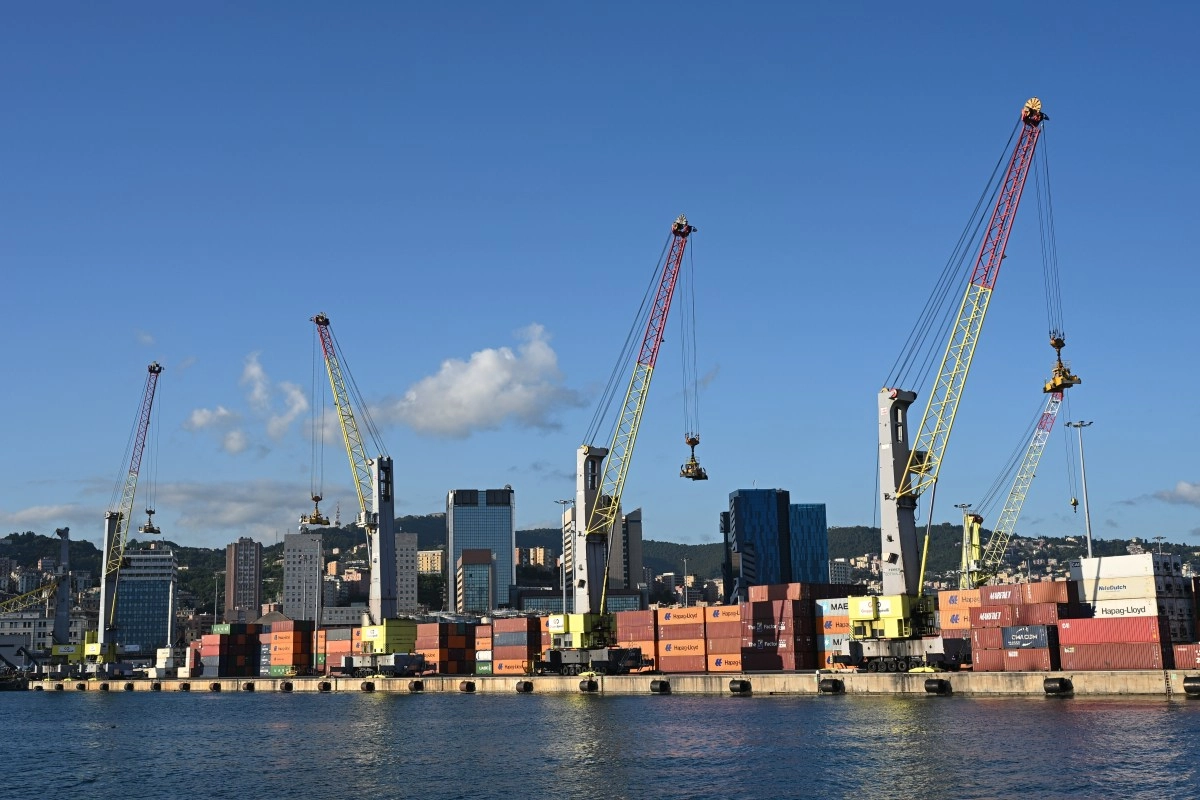

The Supreme Court agreed Tuesday to quickly resolve a major debate over President Donald Trump's tariffs on imports from foreign countries, a signature policy of his second term.
At issue is whether Trump has the power to impose tariffs unilaterally, without congressional approval, under a law set aside for use in emergency situations emergency.
The judges asked the government and a group of small businesses and states to expedite reports on the case, setting a deadline of September 19 for their submission. The case is scheduled for the first week of November.
The Trump administration brought the case to the Supreme Court after an appeals court ruled on August 29 that Trump overstepped his authority by using an emergency law to impose the tariffs, but left them in place.
The court’s 6-3 conservative majority’s targeting of those dates suggests it wants to quickly resolve a case with profound implications for global trade and the health of the U.S. budget and fiscal year.
The Federal Circuit Court of Appeals ruled in August that Trump lacked the right to impose so-called “reciprocal tariffs,” which range from 34 percent for China to a base of 10 percent, and a 25 percent levy on some products from Canada, China, and Mexico because of what his administration says are insufficient efforts to stem the flow of fentanyl into the U.S.
Other tariffs implemented on different legal grounds, such as the 50% tariffs on steel and aluminum applied to all other global trading partners, are not challenged in the cases before the court.
The ruling upheld an earlier ruling by the International Trade Court, which, following a complaint from two U.S. importers affected by the tariffs,ruled in May that no national emergency existed to justify the Trump administration’s use of the International Emergency Economic Powers Act to impose the tariffs.
The administration has imposed the tariffs and is collecting customs taxes on imports to fund its sweeping budget and tax reform program, which included massive tax cuts and was passed by Congress in July.
A loss for the Trump administration would cancel much of the tariffs it has imposed and force repayments of those funds, amounting to tens of billions of dollars, to the taxed countries, in turn calling into question the sustainability of the United States’ budget.
A victory, on the other hand, would strengthen Trump’s presidential power and could legalize the use of the emergency law to further pressure other trading partners.