

Tracking President elect Trump’s Cabinet and Staff Picks for His Second Term
An in-depth look at President-elect Donald Trump’s planned nominees and appointments for his second-term cabinet and senior staff, including key figures for national security, economic, and domestic policy roles.
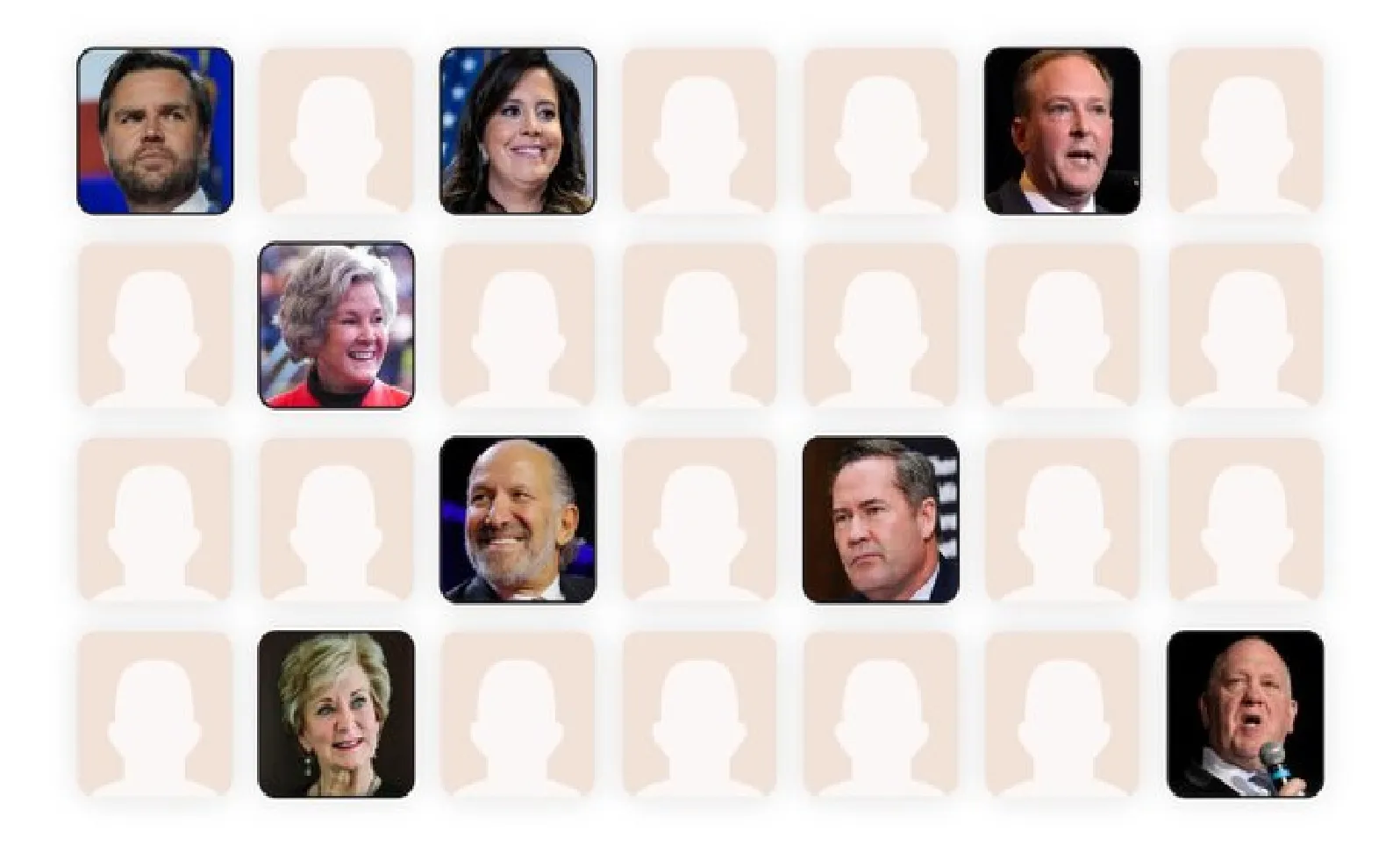

As President-elect Donald Trump prepares for his anticipated second term, attention has turned to the individuals he has chosen to fill crucial roles within his cabinet and administration. Trump’s team has hinted at new appointments aimed at reinforcing national security, economic growth, and domestic policy initiatives. With several high-profile names emerging as his intended nominees, the list of potential appointees is generating significant public interest and debate. Here, we break down the key figures expected to shape Trump’s administration as he moves forward with these pivotal selections.
Focusing on National Security and Foreign Policy
Among the most notable figures expected to play a prominent role is Senator Marco Rubio, a strong advocate for assertive U.S. foreign policy, particularly regarding China and Iran. Trump has indicated his intent to nominate Rubio as Secretary of State, a choice that underscores his administration’s commitment to countering perceived threats from these nations. Rubio, known for his hawkish stance, has frequently called for stronger economic and military responses to Chinese and Iranian activities. If confirmed, his approach could signal a significant shift in U.S. foreign relations, particularly with respect to trade and defense alliances.
In addition to Rubio, Trump is reportedly considering retired Army General Michael Flynn for an advisory role in national security. Flynn, who served as National Security Advisor during Trump’s first term before resigning, brings extensive military experience and a firm stance on issues related to national security. His potential return could add a layer of continuity to Trump’s defense strategy, as the administration continues to emphasize America’s military strength as a deterrent against international threats.
Economic Policy and Domestic Appointments
For key economic roles, Trump’s focus appears to be on individuals who align with his vision for bolstering the U.S. economy and promoting job creation. Larry Kudlow, former Director of the National Economic Council, is among those expected to return in an economic advisory capacity. Kudlow’s support for tax cuts and deregulation aligns closely with Trump’s economic agenda, suggesting a renewed focus on policies designed to incentivize business growth and reduce federal intervention.
Reports also indicate that Trump may select financial executive David Malpass for a prominent Treasury Department role. Malpass, known for his conservative economic views, previously served as President of the World Bank and has a track record of advocating for free-market principles. His leadership could play a significant role in shaping fiscal policy, particularly as the administration seeks to address inflation and promote long-term economic stability.
Immigration and Homeland Security
On the domestic front, Trump’s picks reflect his focus on stringent immigration policies and national security. Former Acting ICE Director Tom Homan is a potential choice for “Border Czar,” a position responsible for coordinating immigration enforcement across multiple federal agencies. Homan’s experience in Immigration and Customs Enforcement aligns with Trump’s commitment to securing the U.S. borders and reducing illegal immigration. Homan has previously advocated for strict enforcement policies and is known for his strong stance on border security issues, making him a natural choice for this role in Trump’s second-term administration.
Another key figure expected to join the administration is Chad Wolf, who previously served as Acting Secretary of Homeland Security. Wolf’s potential appointment suggests a continuation of Trump’s focus on national security and border enforcement. Known for his role in implementing policies like the “Remain in Mexico” program, Wolf has experience navigating complex immigration challenges and working with both state and federal agencies to strengthen border security.
Healthcare and Education: Balancing Reform and Continuity
In healthcare, Trump is reportedly considering returning Alex Azar as Secretary of Health and Human Services. Azar’s previous tenure was marked by efforts to increase transparency in drug pricing and streamline healthcare access. If reappointed, Azar would likely continue to promote these initiatives, aligning with Trump’s goal of reducing costs and making healthcare more accessible to Americans.
In the education sector, Betsy DeVos is anticipated to return as Secretary of Education. DeVos, a long-time advocate for school choice and charter school funding, has been a polarizing figure in education reform. Her potential reappointment underscores Trump’s commitment to offering alternative educational options for families and pursuing policies that promote parental choice. However, her return would likely reignite debates over public vs. charter school funding and federal vs. local control of education.
Veterans Affairs and Military Appointments
For the Department of Veterans Affairs, Trump is reportedly considering retired Army Colonel James H. Baker, known for his extensive experience working with veterans and military personnel. His background in veterans’ issues would position him well to address challenges within the VA system, particularly those related to healthcare access and post-service support for veterans. Baker’s leadership could bring renewed focus to policies aimed at supporting veterans’ healthcare, mental health, and career transition services.
Within the Pentagon, Trump has hinted at bringing in military leaders with a proven track record of supporting his vision for a strong national defense. Former Secretary of Defense Mark Esper may be invited back to advise on defense policy, given his experience during Trump’s previous term. Esper’s approach to defense and military spending aligns closely with Trump’s goals, potentially facilitating a smooth transition back into the role should he accept.
A Cabinet Focused on Trump’s Vision for America
As Trump’s second term takes shape, his choice of cabinet and staff members underscores his commitment to an assertive approach to foreign policy, economic reform, and national security. The anticipated appointments of figures like Rubio, Homan, and DeVos reflect Trump’s focus on maintaining a conservative approach to governance, while prioritizing policies that reinforce U.S. interests both domestically and abroad.
With confirmation hearings expected soon, the public and Congress will closely scrutinize these picks, as the nation anticipates how Trump’s second-term cabinet will shape America’s future. While some selections may spark debate, each nominee brings experience aligned with Trump’s agenda, setting the stage for an administration poised to advance his vision for America over the next four years.