

Iran announces closure of the Strait of Hormuz after accusing violations of the ceasefire in Lebanon
Tehran raises international tension as Israeli attacks increase and negotiations with the United States are in danger
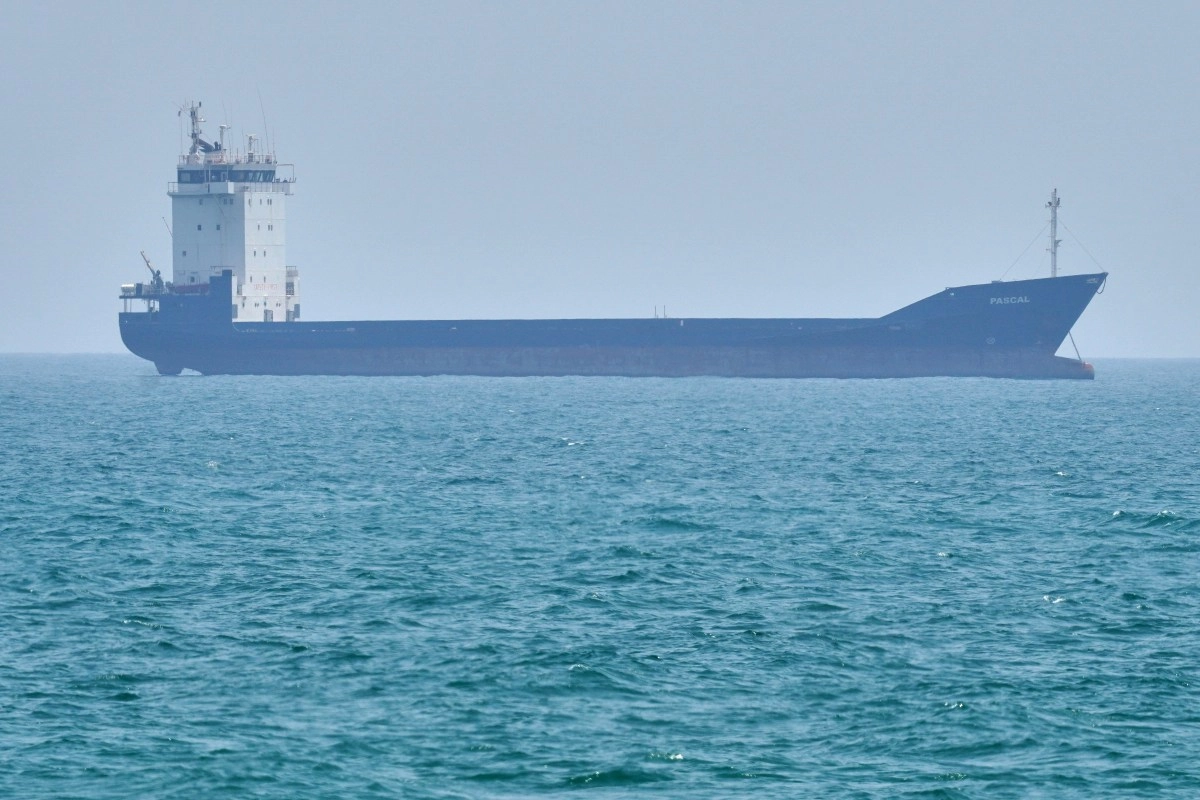

Iran announced the closure of the Strait of Hormuz, one of the most important sea routes for global energy trade, after accusing Israel and the United States of failing to comply with commitments under the recent ceasefire in Lebanon.
The warning, according to AP, was issued by the Islamic Revolutionary Guard Corps Navy, which asked ships to stay away from the area and noted that the safety of the vessels could be at risk.
According to the Iranian agency Mehr, Iran's military command described the measure as the "first step" in what it considers violations of the agreement. However, the United States Central Command (CENTCOM) reported that dozens of ships continued to cross the sea lane.
“55 merchant ships transited the strait on Saturday, transporting large quantities of cargo and more than 17 million barrels of oil to world markets,” the US organization said in a statement published in X.
Israeli attacks complicate peace agreement
Tehran's decision comes after new Israeli attacks in southern Lebanon, where local authorities reported at least 16 dead, including two children, according to information cited by international media.
The Israel Defense Forces (IDF) assured that its operations were a response to alleged attacks by Hezbollah, a group backed by Iran, and affirmed that it remains committed to the ceasefire agreement.
For its part, Hezbollah rejected the accusations and stated that it had respected the truce, accusing Israel of trying to justify new attacks.
Negotiations between the United States and Iran come under pressure
The crisis threatens to disrupt talks between the United States and Iran to reach a broader deal, including issues related to Iran's nuclear program.
Donald Trump's special envoy, Steve Witkoff, and Jared Kushner participated in meetings in Switzerland to advance technical aspects of the negotiations.
US Vice President JD Vance assured that progress continued, although he acknowledged that the situation in Lebanon represents a challenge to maintaining the diplomatic process.