

Trump assures that Xi Jinping invited him to visit China after a "very positive" telephone conversation
The call between Trump and Xi comes after the Republican accused China of violating the agreement during the tariff pause
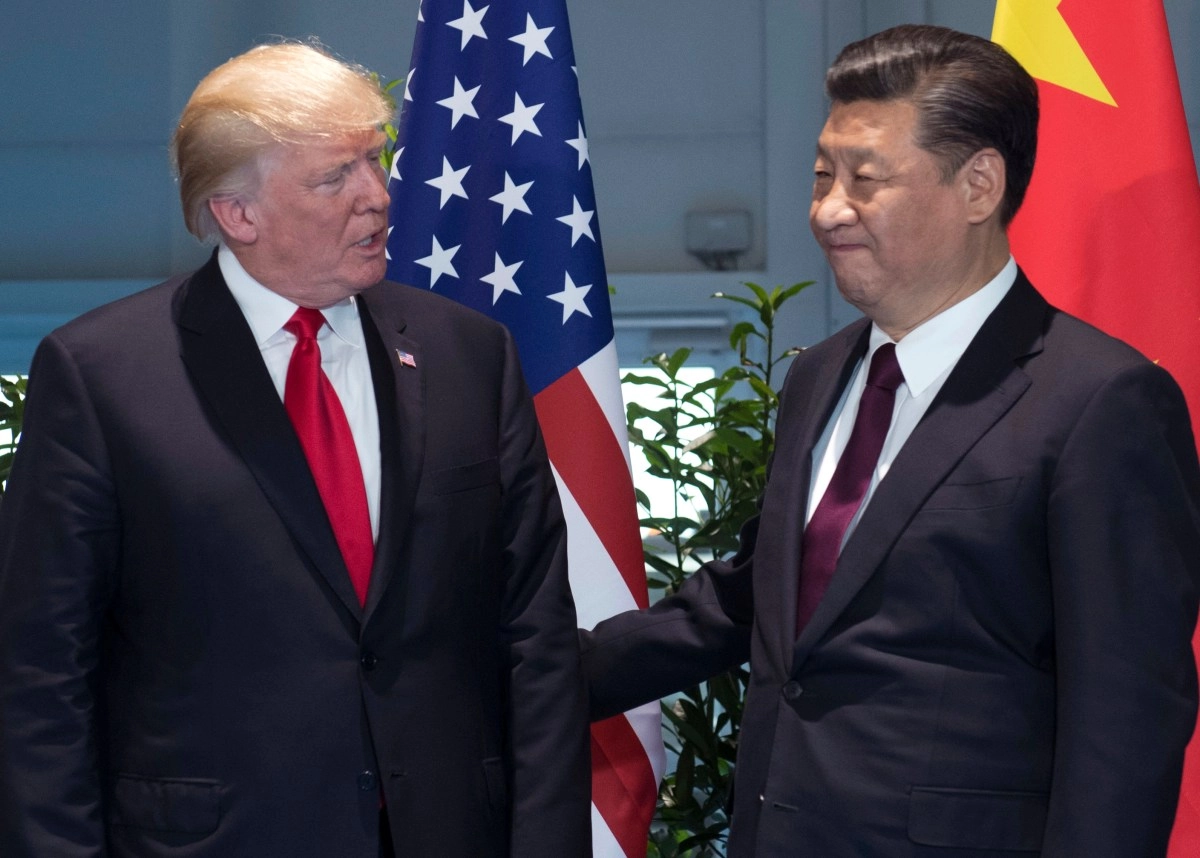

US President Donald Trump said on Thursday that his Chinese counterpart, Xi Jinping, invited him to visit the Asian country and that he responded by inviting Xi to travel to the US, after a telephone conversation between the Republican president and Xi Jinping. He called it “very positive.”
“During our conversation, President Xi was kind enough to invite the First Lady (Melania Trump) and me to visit China, and I reciprocated,” Trump wrote on his Truth Social account about the call, in which he said the two discussed “some details” of trade negotiations.
“As presidents of two great nations, this is something we are both looking forward to,” Trump said, adding that “the conversation focused almost exclusively on trade” and that “Russia, Ukraine, and Iran were not discussed.”
As president, Trump has visited China only once, in November 2017, early in his first term (2017-2021), before the rivalry between the world’s two largest powers escalated to its current heights, while Xi visited Trump at Mar-a-Lago in April of that same year.
The Chinese president met in person with Trump’s predecessor, Joe Biden, (2021-2025), on three occasions, although always on the sidelines of multilateral summits.
“The call lasted approximately an hour and a half and had a very positive outcome for both countries,” added Trump, who stated that high-level teams from both countries “will meet shortly at a location to be determined.”
The call between the two leaders comes after the Republican accused Beijing last week, without giving details, of violating the bilateral tariff pause agreement reached in May after a meeting in Geneva that had served to ease trade tensions between the two powers.
Beijing later retorted by arguing that it was Washington that violated the agreement by imposing new restrictions on chips or the cancellation of visas for Chinese students announced last week.
"There should no longer be any doubt about the complexity of rare earth products," Trump added in his Truth Social message today, without providing further details.
China is the world's leading producer and exporter of rare earths, controlling 70% of the global market. It has implemented significant export restrictions that have particularly affected the US, Europe, and Asian countries.