

Burevestnik: Russia tests a new nuclear-powered cruise missile
Russian officials claim it has an effective range exceeding 8,700 miles and a flight time that can exceed 15 hours
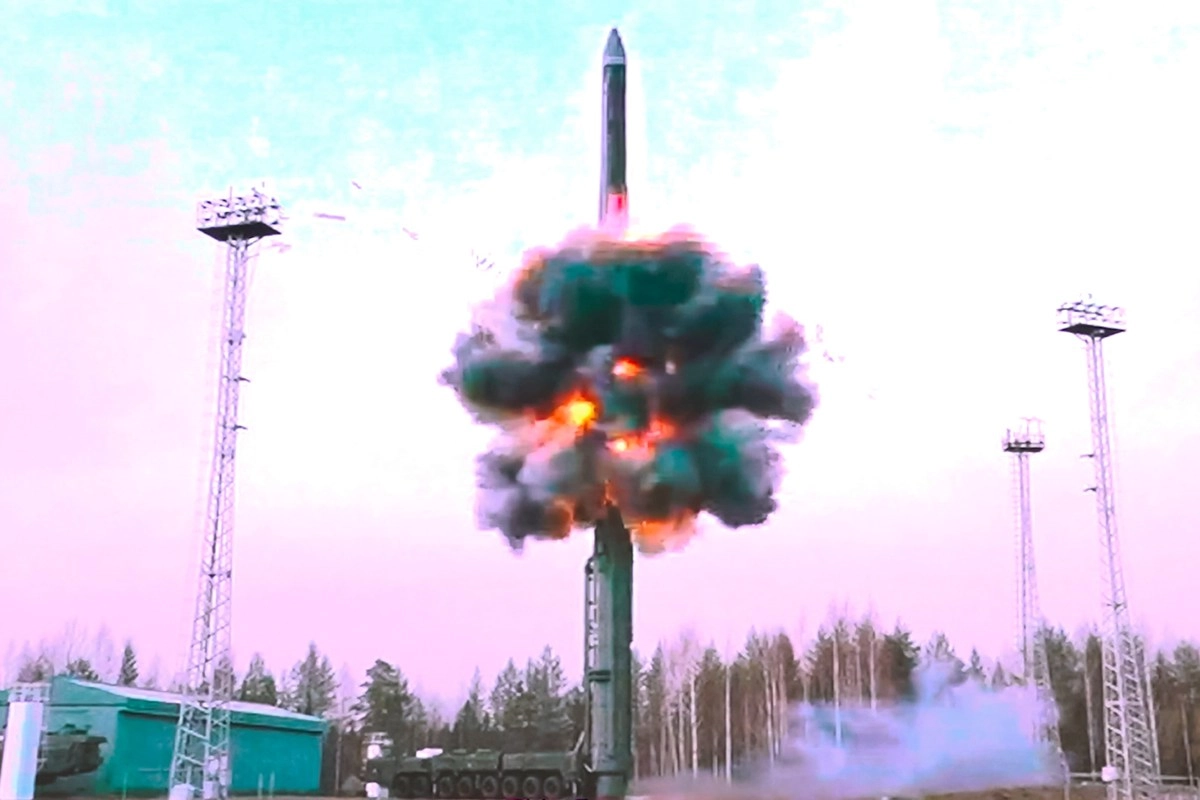

Russia tested the experimental Burevestnik cruise missile, a nuclear-capable, nuclear-powered weapon that Moscow touts as “invincible” to any missile shield and with virtually unlimited range, after a 15-hour flight and some 8,700 miles, according to a report by Chief of Staff Valery Gerasimov to Vladimir Putin.
The Kremlin claims that “decisive” tests have been completed and that the phase of preparing for its deployment has begun, reinforcing the narrative that it can bypass air defenses and strike “any location” with an unpredictable trajectory.
What is the Burevestnik and why does it matter?
The 9M730 Burevestnik, known to NATO as Skyfall (SSC-X-9), is a low-flying cruise missile capable of carrying a nuclear warhead and with a nuclear propulsion system that would differentiate it from conventional turbojet cruise ships. Russia first unveiled it in 2018 as part of its “no analogues” strategic weapons package, and today maintains that it has virtually unlimited range and can evade radar by flying low and maneuvering vertically and horizontally for hours.
According to Gerasimov, in the latest test the missile remained in the air for about 15 hours and traveled about 8,700 miles—“it's not the limit”—a figure that points to intercontinental range capability with non-linear route profiles.
Putin indicated that the infrastructure must be prepared for its incorporation, reinforcing the political signal that the program is entering the pre-operational phase despite Western skepticism about its reliability.
Nuclear Propulsion: What Does It Mean and What Does It Promise?
Unlike a typical cruise ship with a turbofan or turbojet engine and conventional fuel, the Burevestnik would use a small nuclear reactor to heat the air or a working fluid, generating continuous thrust for very long periods of time. In practical terms, nuclear propulsion allows sustained flight for many hours or days, enabling long routes, diversions, holds and evasion profiles that complicate missile defense based on predictable trajectories.
Russia suggests that this powerplant gives it “unlimited” range and a real penetration capacity against current and future defense systems, due to its low flight altitude and maneuvers that saturate sensors and interception networks. Although some independent analyzes have questioned the strategic value and technological maturity of an operational nuclear engine on a cruiser, Moscow insists that key tests have already been validated.
Why do they say it “cannot be stopped”?
The Russian argument combines three factors: low flight profile (reduces radar horizon), unpredictable trajectory with maneuvers for hours and virtually unlimited autonomy that allows it to “surround” defenses or attack from unexpected vectors.
In the last demonstration, Gerasimov maintained that vertical and horizontal maneuvers were verified within specification, which in theory complicates interception windows and the calculation of Putin has described it as "invulnerable" to current and future shields, a message that accompanies nuclear exercises and tensions with the West; he also ordered the acceleration of infrastructure for its eventual deployment. International media highlights that, if its 15-hour, 8,700-mile capacity is confirmed, the Burevestnik could reach strategic targets at intercontinental distances with indirect routes that circumvent radar lines and defense nodes. The Burevestnik is Russia's bid for a cruise missile with almost unlimited range and evasive profile, supported by nuclear propulsion, with a narrative of invulnerability that, if materialized, would pressure missile defense to rethink sensors, algorithms, and deployments. Independent validation and technical clarity remain, but Moscow's announcement—a 15-hour, 8,700-mile flight and readiness for deployment—already places the program at the center of global strategic and technological debate.