

DHS closes office that monitored abuses and rights of immigrant detainees
The Department of National Security closes the Office of the Ombudsman for Immigrant Detention
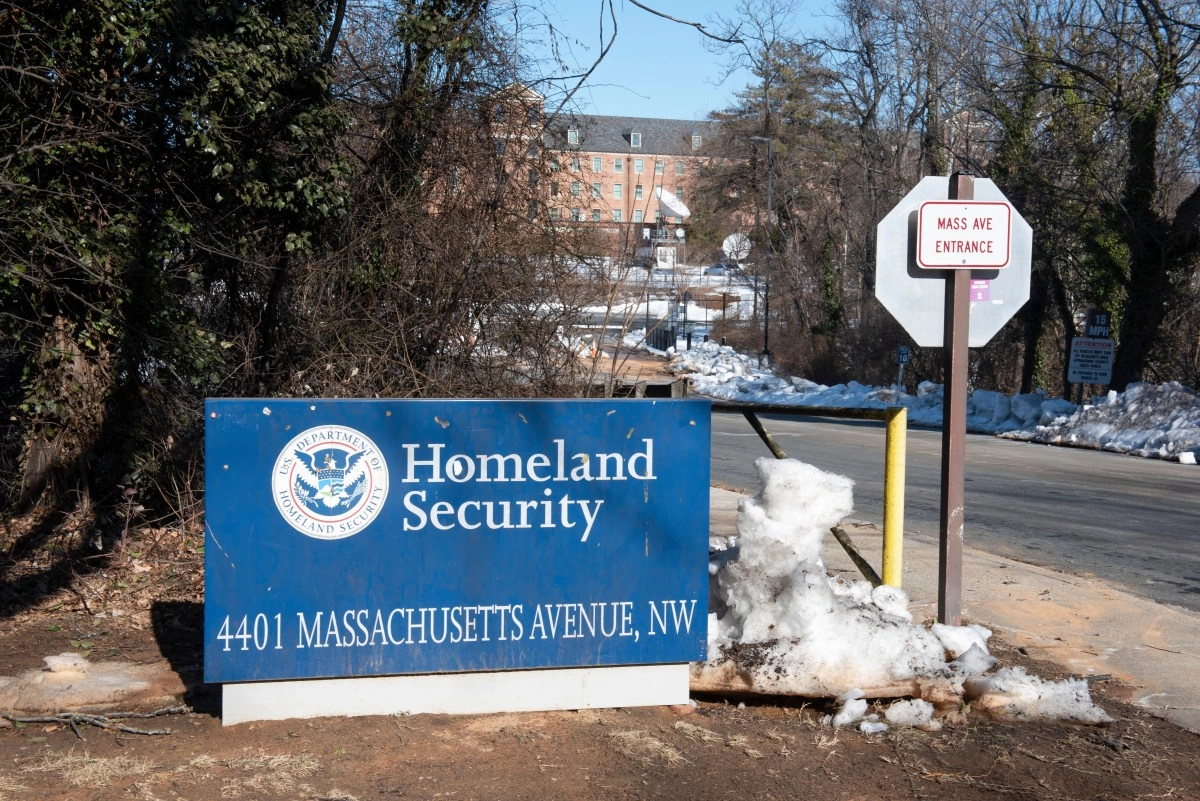

The Office of the Ombudsman for Detention of Immigrants (OIDO) has been closed, eliminating an independent mechanism for migrants to report misconduct, excessive use of force and violations of their rights at Immigration and Customs Enforcement (ICE) and Customs and Border Protection (CBP) facilities.
And according to an email addressed to its staff and obtained by HuffPost, the Department of Homeland Security (DHS) announced the closure of the office in charge of monitoring irregularities and abuses in migrant detention centers.
A DHS spokesperson indicated that the decision is up to the U.S. Congress, which approved the appropriations bill for the agency without objections.
The budget guarantees resources for the Transportation Security Agency, the Federal Agency for Emergency Management, the Coast Guard and Secret Service, but did not include direct obligations on the OIDO.
Operated with minimal resources
The office website is no longer available, which prevents families and lawyers from filing complaints or following up on complaints. Previously es of the closure, the office operated with minimal resources and had only five employees, a 96% reduction of its original staff.
Since Donald Trump's return to the White House, more than 780 cases of use of physical force against migrants have been recorded, an 37% increase compared to the previous year . More 30 people died in ICE custody in 2025, the deadliest year in more than two decades. So far 2026, at 18 migrants have lost their lives, reports highlight.
Currently, nearly 70,000 people remain consistently detained in ICE centers, while previous administrations funded capacity for approximately half. Between January 2025 and the date, 2.2 million self-deportations and more than 675,000 deportations were recorded, according to official figures.
The DHS projects to hold 99,000 daily detainees between 2026 and 2027, as part of its goal to arrest and deport one million people a year.