

Trump stopped “Project Freedom”, naval operation in Hormuz, due to pressure from Saudi Arabia, according to NBC
The decision follows Saudi Arabia's refusal to allow US forces to use its bases and airspace
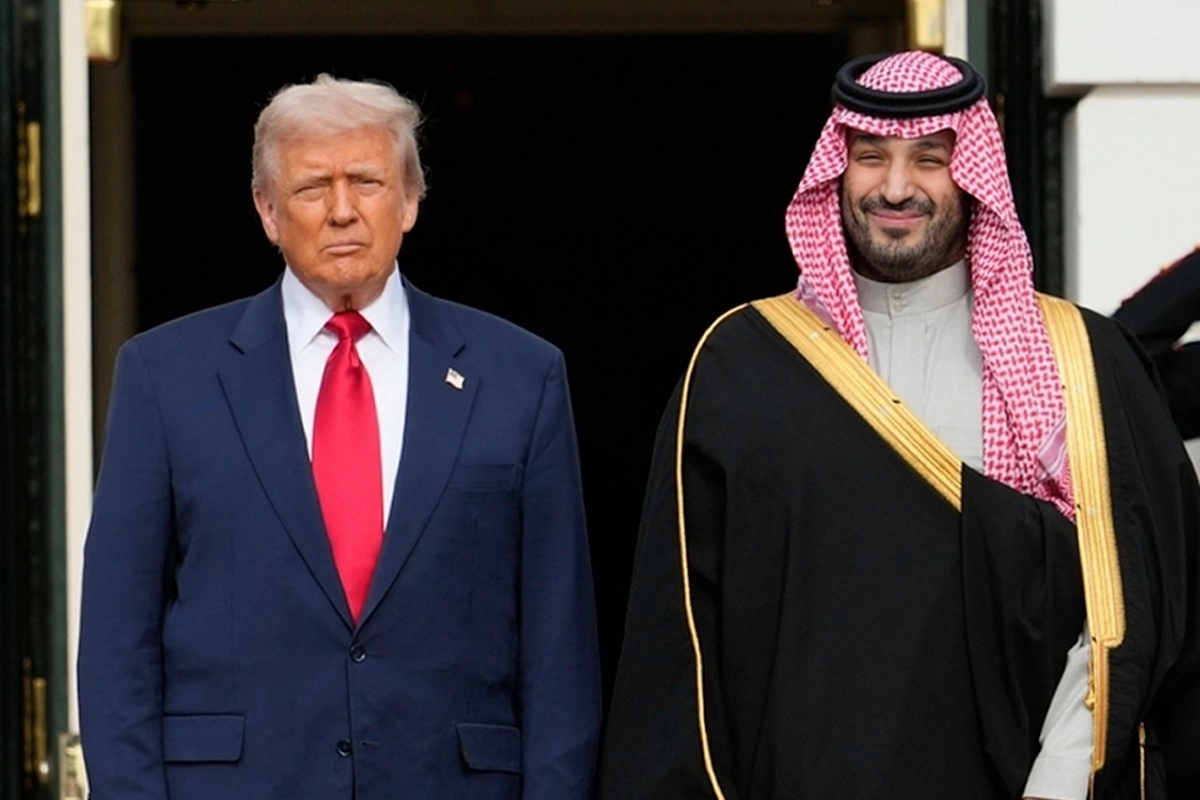

The President of the United States, Donald Trump, would have abruptly suspended the military operation known as “Project Freedom” in the Strait of Hormuz after Arab Saudi Arabia will limit the use of military bases and airspace by US forces, according to information revealed by NBC News and other national media.
The decision marked an unexpected turn in the White House strategy just a few days after Trump announced the military deployment to escort commercial vessels on one of the most important maritime routes in the world, in the midst of growing tensions with Iran.
According to U.S. officials cited on anonymity, Riyadh reacted with annoyance to the announcement of the operation, because the plan would not have been previously coordinated with several key Golf allies. or Persian. Saudi Arabia would have subsequently communicated to Washington that it would not allow military operations related to the mission from the Prince Sultan airbase nor the use of its airspace.
The situation forced Trump to hold a phone call with the Saudi crown prince, Mohammed bin Salman, although the conversations failed to unlock the disagreement, according to reports.
Allies surprised by Washington's announcement
Officials cited by NBC said other allied governments in the region, including Qatar and Oman, were also caught by surprise when Trump announced “Project Freedom” via social media last Sunday.
The operation sought to guarantee the safe transit of commercial ships and tankers through the Strait of Hormuz, a strategic step ico for global energy trade which has been the scene of threats and attacks attributed to Iran during recent weeks.
The Pentagon previously reported that two vessels with U.S. flag managed to cross the strait under military protection. In addition, state authorities Americans claimed that Iran launched drones, missiles and small boats against escorted ships, although no US ship would have been hit.
Defense Secretary, Pete Hegseth, had publicly defended the operation by assuring Washington was seeking to protect international trade and avoid further disruption to energy markets.
However, less than 36 hours after the start of the mission, Trump announced his temporary suspension, arguing that there were diplomatic progress toward reaching a possible agreement with Tehran.
Negotiations with Iran open new diplomatic phase
From the Oval Office, Trump stated this Wednesday that the talks with Iran have been “very good” and noted that there is the possibility of reaching an agreement in the short term.
The statements coincided with reports published by the portal Axios, which indicate that Washington expects an Iranian response on a proposal aimed at ending the conflict and opening broader negotiations related to the Iranian nuclear program.
According to White House officials, this would be the moment when both parties have been closer to reaching an understanding since the beginning of the war launched by the United States and Israel on February 28th.
Meanwhile, Pakistan has taken on a mediating role between both parties and has asked to maintain the indefinite ceasefire that currently remains in force.
Despite the diplomatic advance, Trump maintained a threatening tone by warning that the United States could resume military attacks if Iran does not accept the conditions posed by Washington.
“I think there is a good chance that this will end,” the president said in an interview with PBS. “And if it doesn't end, we will have to bomb them again without mercy.”
The tension in the region also keeps international markets under pressure. Although the oil price receded slightly after knowing the s suspension of the operation, the barrel continues above $100 dollars, while uncertainty over maritime security in the Persian Gulf persists.