

Homosexual asylum seeker denounces that the US deported her to a country where her preference is a crime
Before fleeing Morocco, a country where same-sex relationships are punishable by imprisonment, she was beaten by her family and her partner's family

A 21-year-old Moroccan woman who sought refuge in the United States after suffering violence because of her sexual orientation says she was deported to an African country where homosexuality is also a crime, despite having a protection order issued by a judge Immigration.
The woman, identified as Farah for security reasons, told The Associated Press that she is currently living in hiding in Morocco, after being sent first to Cameroon and later returned to her country of origin.
In Morocco, same-sex relationships can be punished with up to three years in prison. Farah says that before fleeing, she was beaten by her family and her partner's family after their relationship was discovered. According to her testimony, both families tried to kill her, forcing her to escape to another city. “It's hard to live with the fear that they will find me again,” she said.
With the help of a friend, the couple obtained visas to travel to Brazil. From there, they crossed six countries before reaching the southern border of the United States in early 2025, where they applied for asylum. “When we arrived, we felt that it had all been worth it,” she recalled.
However, instead of protection, Farah spent almost a year detained in immigration centers in Arizona and then Louisiana. She describes cold conditions, with thin blankets and inadequate medical care. Her asylum application was denied, but later an immigration judge granted her a protective order prohibiting her deportation to Morocco due to the risk she faced.
Deportations to third countries under scrutiny
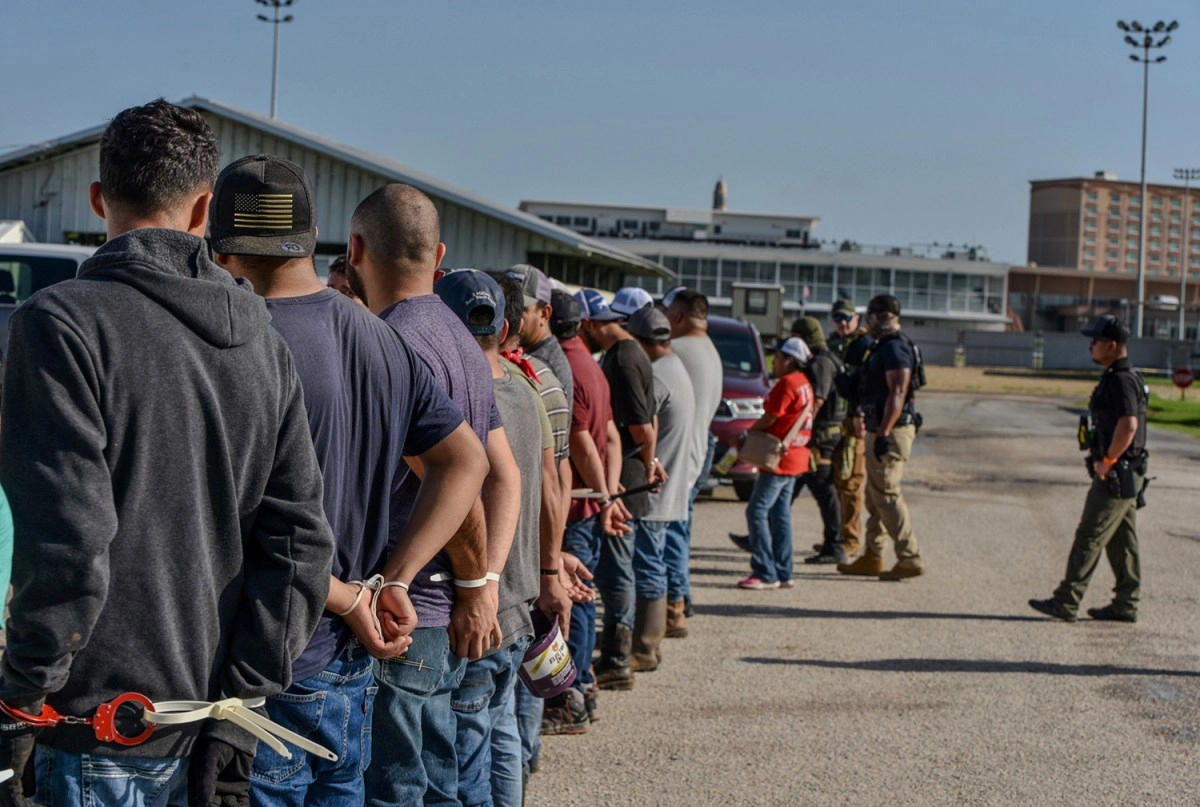
Three days before a hearing regarding her possible release, agents from US Immigration and Customs Enforcement (ICE) handcuffed her and put her on a plane to Cameroon, a country she had never visited and where homosexuality is also illegal.
“There they asked me if I wanted to stay, but I couldn't risk my life in a place where I would also be in danger,” she recounted. After being detained, She was sent back to Morocco.
Immigration lawyers maintain that Farah's case is not isolated. According to attorney Alma David, several people with protective orders have been sent to third countries as part of migration agreements during the Donald Trump administration.
Legal experts argue that deporting protected individuals to countries where they may face persecution violates US immigration laws and international commitments. “Not only is due process violated, but also our own standards,” David noted.
The US government has defended its actions, stating that it is acting within the law when a judge determines that an immigrant does not have the right to remain in the country.
From hiding, Farah challenges that argument. "The United States is based on immigration and immigrant labor. Not all of us are a threat," she stated. “What they did to me was unjust… to suffer so much only to end up deported this way is cruel.”