
The Trump administration has aggressively intensified its reform of the US immigration system, implementing executive orders, proclamations, and regulations that seek to restrict legal pathways, tighten asylum eligibility criteria, and increase scrutiny of workers, students, and families entering the country.
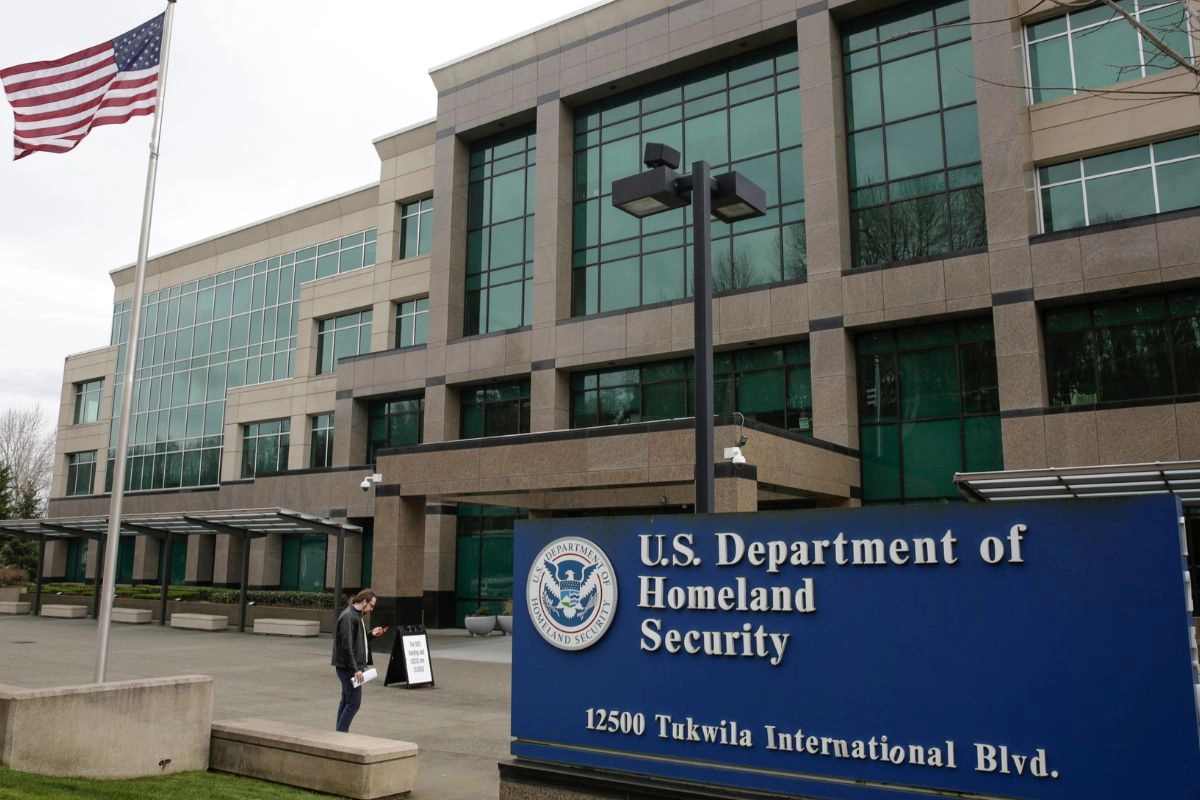
During 2025, the White House, the Department of Homeland Security (DHS), and Citizenship Services U.S. Citizenship and Immigration Services (USCIS) issued a series of measures that, pending regulation and litigation, could redefine who can remain in, enter, or apply for permanent residence in the United States. Among the initiatives, USCIS and DHS confirmed that inflation-based fee adjustments will take effect on January 1, 2026. The changes will impact the costs of asylum applications, parole, TPS, work authorizations, and travel programs such as ESTA and EVUS, increasing expenses for those seeking to enter the country legally. The administration has also tightened the criteria for high-skilled visas, especially the H-1B program. Through proclamations and DHS guidelines, stricter standards are proposed for highly skilled workers, along with increased scrutiny of roles considered at risk of displacing American employees.
Suspension of the visa lottery and new restrictions
Following a shooting at Brown University, DHS announced the suspension of the diversity visa lottery program. Simultaneously, the review of the immigration status of citizens from 19 countries, including Venezuela, Cuba, and Haiti, is being intensified, raising concerns about potential delays, revocations, and deportation risks.
The administration introduced an additional $100,000 fee for new H-1B petitions, prompting lawsuits from universities, employers, and unions, who argue that the measure exceeds presidential authority and hinders access to international talent. Furthermore, the required documentation has been increased, and approval criteria have been tightened.The changes will also affect Employment Authorization Documents (EADs), eliminating automatic extensions and reducing their validity from five to 18 months for asylum seekers, green card holders, and other categories, causing job disruptions and potential income losses for immigrant workers. The Trump administration has also reduced the refugee admissions cap for 2026 to 7,500 people, the lowest figure since the program began, with a selective focus on specific groups. Travel restrictions will be extended to 20 countries, including Burkina Faso, Mali, Niger, and Syria, while holders of Palestinian Authority documents will face total bans. Amid this backdrop, the government has promoted the “Gold Card,” a million-dollar visa program for high-net-worth investors seeking permanent residency, and has intensified the hiring of lawyers to act as deportation judges, expanding the authority and reach of USCIS into enforcement tasks. Experts warn that these measures reflect a “militarization” of the immigration agency, transforming it into an entity more focused on restricting and controlling legal access than on facilitating immigration benefits, and creating uncertainty for applicants, employers, and advocates across the country.