

Los Angeles faces a time bomb underground due to the deterioration of its water system
Thousands of pipes are more than 80 years old and the Water Department admits that it must decide which ones to repair first due to lack of resources
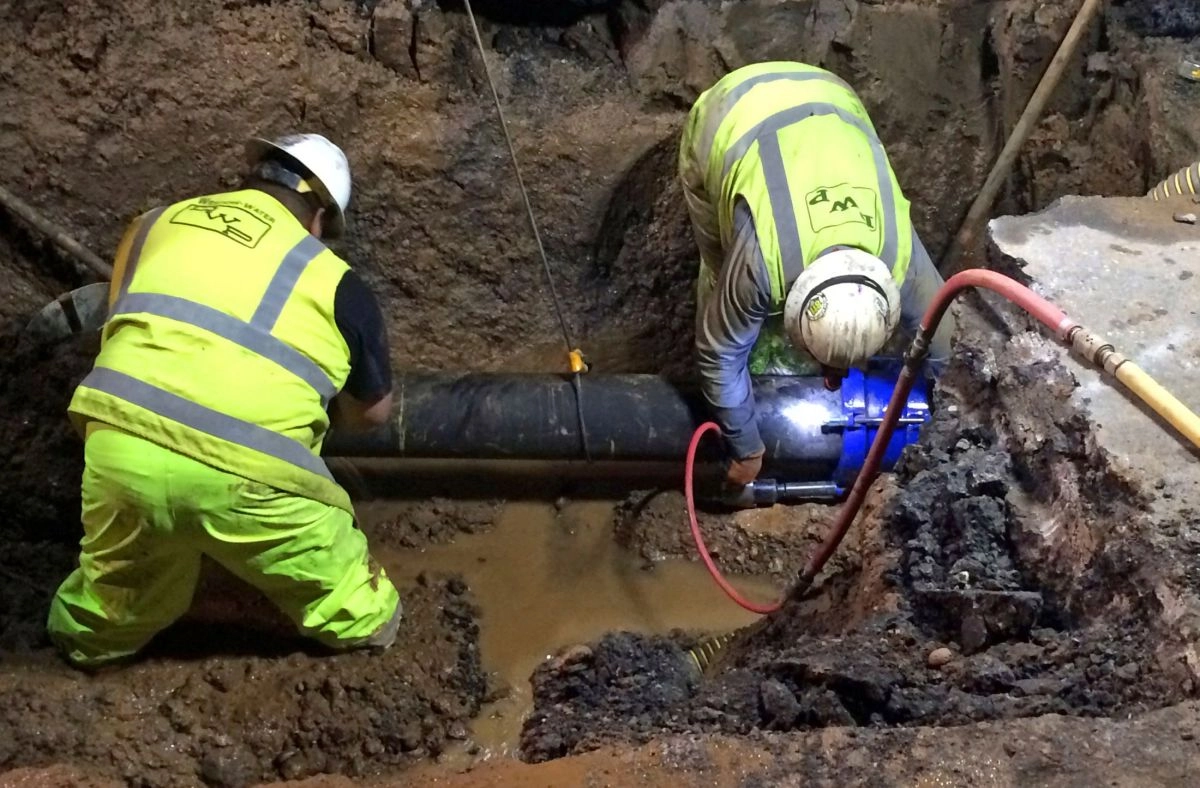

Los Angeles' aging water system has become one of the city's biggest infrastructure challenges. With thousands of pipes installed more than eight decades ago and limited resources to replace them, officials recognize they must prioritize which ones to replace before they fail, even knowing that some could break before receiving maintenance.
Concern grew again after the gigantic leak that occurred in West Hollywood, where a more than century-old pipe collapsed and released around 17 million gallons of water, causing a huge sinkhole, flooding and the closure of businesses.
Centuries-old pipelines put Los Angeles at risk
According to information published by the Los Angeles Times, more than 30% of the main pipes of the Los Angeles Department of Water and Power (DWP) are more than 80 years old, while a portion of them have already been classified as high priority due to the risk of rupture.
Engineers evaluate factors such as age, leak history, soil type, and the consequences of a failure to decide where to invest first.
“It is a very difficult problem and society is not investing enough money in infrastructure, especially water infrastructure,” said Lucio Soibelman, professor of Civil and Environmental Engineering at the University of Southern California (USC).
Millionaire investment, but insufficient
The DWP launched an $8 billion five-year investment plan to renew part of the network. However, agency officials recognize that the budget, lack of personnel and the complexity of the works prevent progress at the pace required by a city the size of Los Angeles.
Plus, replacing a pipe involves a lot more than digging. Each project requires engineering studies, permits, coordination with other agencies and measures to reduce the impact on traffic and businesses.
To reduce the risk of new emergencies, the agency has also incorporated acoustic technology that allows leaks to be detected before they become major ruptures.
However, specialists warn that the challenge goes beyond Los Angeles. The American Water Works Association estimates that the United States will need to invest nearly $2.4 trillion in drinking water infrastructure over the next 25 years to prevent deterioration from continuing and costs to users from skyrocketing.